
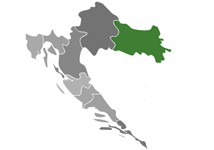
Slavonia is eastern Croatia’s great region of rivers, wetlands, vineyards, Baroque towns and fertile plains. It stretches between the Drava, Sava and Danube and offers a very different experience from the Adriatic coast: quieter roads, generous food, strong wine traditions and a landscape shaped by agriculture and water.
The best regional base is Osijek, with easy access to Kopački Rit and Baranja, while Vukovar and Ilok anchor the Danube, Đakovo is known for its cathedral and Lipizzans, and Požega, Kutjevo and Papuk form the main wine-and-nature cluster in western Slavonia.
Slavonia quick overview
- Region: Eastern Croatia, between the Drava, Sava and Danube rivers
- Main city: Osijek
- Major destinations: Baranja, Kopački Rit, Vukovar, Ilok, Đakovo, Požega, Kutjevo, Papuk and Slavonski Brod
- Best known for: wetlands, wine, hearty food, Baroque towns, Lipizzan horses and folklore traditions
- Main wine areas: Kutjevo, Baranja and Ilok
- Best for: food and wine, road trips, cycling, birdwatching, history and rural stays
- How long to stay: 2-3 days for Osijek and Kopački Rit; 5-7 days for a wider eastern Croatia road trip
- Best way to explore: car, especially for wineries, rural restaurants and nature parks
Why visit Slavonia?
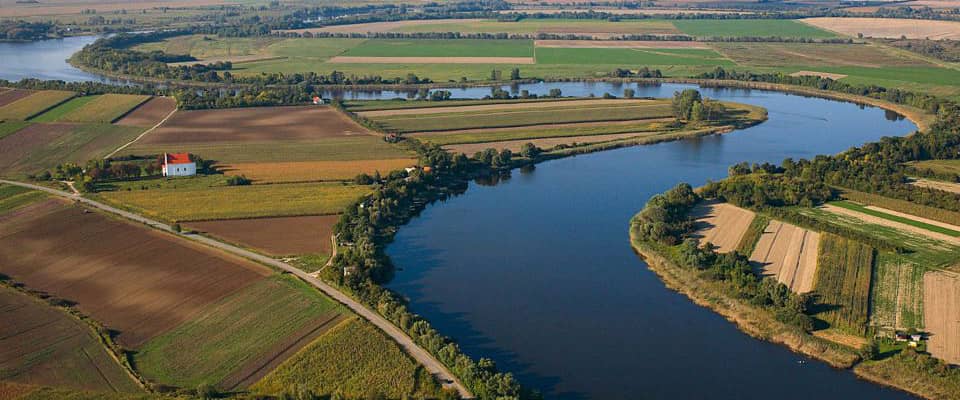
Slavonia is one of Croatia’s best regions for travelers who want to go beyond the coast. Its identity is built around the Danube, Drava and Sava rivers, fertile farmland, wine hills, floodplain forests, traditional villages and cities shaped by Central European and Ottoman-era history.
The region is also exceptionally strong for food and wine. Kutjevo is synonymous with Graševina, Baranja combines vineyards with rural cellar roads, and Ilok pairs Danube views with some of Croatia’s most historic wine traditions.
Best places to visit in Slavonia
Osijek
Osijek is the largest city in eastern Croatia and the best all-round base for a first visit. The historic Tvrđa district preserves Baroque military architecture, while the Drava waterfront, parks, pedestrian areas and cycling routes give the city a relaxed, open feel.
Osijek is also the natural gateway to Kopački Rit and Baranja, making it easy to combine urban sightseeing with nature and wine in the same trip.
Kopački Rit Nature Park
Kopački Rit is one of Europe’s major floodplain wetlands, formed between the Danube and Drava rivers. It protects a complex landscape of lakes, channels, reedbeds, forests and seasonally flooded meadows.
Birdwatching is one of the main reasons to visit, but boat excursions, boardwalks, cycling and guided nature tours also make it accessible to general visitors.
Baranja and Zmajevac
Baranja, north of Osijek, is one of the strongest rural tourism areas in eastern Croatia. The region is known for vineyards, paprika-rich food, village restaurants and traditional wine cellars cut into loess hills.
Zmajevac is especially associated with Baranja wine culture. Its traditional cellar lanes, locally known as surduci, make it one of the best places to combine wine tasting with a rural stay.
Vukovar
Vukovar sits on the Danube and combines Baroque architecture, riverfront scenery, archaeological heritage and important memorial sites connected with the 1991 battle for the city.
Alongside the Homeland War memorials, allow time for the Eltz Manor area and the Vučedol Culture Museum, which interprets one of the most important Copper Age cultures of this part of Europe.
Ilok
Ilok is Croatia’s easternmost town and one of the country’s strongest wine destinations. It occupies a hillside above the Danube and combines medieval fortifications, Baroque heritage and historic wine cellars.
The surrounding vineyards are especially known for Traminer as well as other white varieties, making Ilok a natural final stop on a Danube road trip from Osijek and Vukovar.
Đakovo
Đakovo is dominated by the twin-towered Cathedral of St Peter, one of eastern Croatia’s most recognizable historic buildings.
The town is also closely associated with Lipizzan horses and the long tradition of the Đakovo State Stud. Folk costumes, horse traditions and regional music are particularly visible during the annual Đakovački vezovi festival.
Požega and Kutjevo
Požega lies in the fertile Požega Valley, historically known as Vallis Aurea or the Golden Valley. It makes a useful base for western Slavonia and the nearby vineyards of Kutjevo.
Kutjevo is one of Croatia’s best-known wine areas and is particularly associated with Graševina. Historic cellars and vineyards cover the slopes beneath Krndija and Papuk.
Papuk Nature Park
Papuk brings forested hills, streams, geological sites and hiking routes to an otherwise predominantly lowland region.
The Jankovac area is one of the best-known visitor zones, with forest trails, waterfalls and a cooler mountain environment that contrasts strongly with the plains below.
Slavonski Brod
Slavonski Brod stands on the Sava River and is dominated historically by the large Brod Fortress complex. Its riverfront and position on the main east-west transport corridor make it a practical stop on longer road trips.
Vinkovci
Vinkovci is one of eastern Croatia’s oldest continuously inhabited urban areas and an important transport and cultural centre.
The city is particularly associated with Vinkovačke jeseni, a major folklore festival celebrating traditional music, costumes and rural heritage.
Osijek and Baranja
Osijek and Baranja form the easiest first-time combination in Slavonia. Spend time in Osijek’s Tvrđa and along the Drava, then cross into Baranja for Kopački Rit, rural restaurants and vineyard villages.
This area is especially well suited to cycling, with flat terrain and routes connecting river landscapes, villages, vineyards and wetlands.
Danube heritage: Vukovar and Ilok
The eastern edge of Croatia follows the Danube and offers one of the most distinctive road-trip sections in the country.
Vukovar provides the strongest historical and memorial experience, while Ilok offers a quieter wine-focused destination farther downstream. Together they combine archaeology, Baroque architecture, modern history, vineyards and river views.
Lipizzans and Đakovo
Horse breeding has been part of Đakovo’s identity for centuries. The Lipizzan tradition remains one of the town’s major cultural attractions and forms part of the wider multinational heritage of Lipizzan horse breeding recognized by UNESCO.
Đakovo combines particularly well with Osijek or Kutjevo on a road trip across eastern Croatia.
Papuk and the Požega Valley
Western Slavonia is noticeably hillier than the eastern plains. The Požega Valley is surrounded by Papuk, Krndija and other uplands and has one of the region’s strongest combinations of wine, historic towns and outdoor travel.
Use Požega or Kutjevo as a base if you want to combine vineyard visits with hiking in Papuk.
Wine regions of Slavonia and Baranja
Kutjevo
Kutjevo is one of Croatia’s classic white-wine regions, with Graševina as its signature grape. The surrounding hills and historic cellars make it especially good for a dedicated wine-country stay.
Baranja
Baranja’s wine roads run through villages and vineyard slopes around Bansko Brdo. Zmajevac is the best-known centre, with traditional cellar lanes and a strong rural-food scene.
Ilok
Ilok’s vineyards rise above the Danube and are particularly associated with Traminer. The combination of historic cellars and river landscapes makes Ilok one of Croatia’s most distinctive wine destinations.
Erdut
The Erdut area east of Osijek adds another Danube wine landscape, with vineyards on high ground above the river.
For a broader overview of grape varieties and regions, see our guide to Croatian wines and dedicated article on Graševina.
Food and traditional dishes
Slavonia and Baranja have some of Croatia’s most distinctive inland cuisine, built around paprika, pork, freshwater fish, game, preserved meats and slow-cooked dishes.
- Kulen: spicy cured sausage and one of Slavonia’s signature products
- Kulenova seka: smaller cured sausage made in a similar style to kulen
- Fiš paprikaš: spicy freshwater-fish stew seasoned heavily with paprika
- Čobanac: rich meat stew traditionally cooked in a large pot over an open fire
- Čvarci: crisp pork cracklings commonly served as a snack or part of a cold platter
- River fish: carp, catfish and other freshwater species feature widely in eastern Croatian cooking
- Game dishes: common in forested and rural areas
Explore more regional food and wine in Delicious Croatia.
Cultural and intangible heritage
Slavonia’s cultural identity is strongly connected with music, dance, horses and village traditions.
- Bećarac: improvised humorous singing tradition recognized by UNESCO
- Tamburica: string-instrument ensembles remain central to regional music
- Lipizzan horse-breeding traditions: strongly associated with Đakovo and eastern Croatia
- Ljelje/Kraljice: spring procession tradition from Gorjani
- Folklore festivals: Đakovački vezovi and Vinkovačke jeseni are among the region’s major celebrations of costumes, music and dance
Nature and outdoor activities
Kopački Rit
Best for birdwatching, wetlands, boat trips and flat cycling routes.
Papuk
Best for forest hiking, geology, waterfalls and cooler upland scenery.
Danube and Drava
The major rivers support cycling, kayaking, fishing and riverside recreation around several towns.
Horse riding
Equestrian traditions remain especially strong around Đakovo and other rural parts of eastern Croatia.
Where to stay in Slavonia
| Base | Best for |
|---|---|
| Osijek | First visit, restaurants, nightlife, Kopački Rit and Baranja |
| Baranja / Zmajevac | Wine, rural food and countryside stays |
| Vukovar | Danube, archaeology and modern history |
| Ilok | Wine, Danube views and a quiet eastern stay |
| Đakovo | Cathedral, Lipizzans and folklore heritage |
| Požega / Kutjevo | Wine and Papuk |
| Slavonski Brod | Sava River and east-west road trips |
When to visit Slavonia
April and May
Excellent for cycling, Kopački Rit, city sightseeing and green countryside.
June
A strong month for outdoor activities, festivals and long days before the hottest part of summer.
July and August
The plains can become hot, but summer brings major folklore events, river activities and lively evenings in towns and villages.
September and October
One of the best periods for Slavonia, with grape harvest, wine events, autumn food and cooler conditions for road trips and hiking.
November and December
Good for food, wine and city breaks, while Advent events add winter atmosphere in Osijek and other towns.
Winter
Winters can be cold, foggy and occasionally snowy. Rural attractions may operate reduced hours, but cities remain accessible and the food-and-wine scene works year-round.
How to get to Slavonia and get around
By car
A car is the most useful way to explore the wider region. The A3 and A5 motorways provide the main road connections across eastern Croatia.
Driving is especially useful for Kopački Rit, Baranja wineries, Ilok, Kutjevo, Papuk and rural restaurants.
By bus and train
Buses and trains connect Zagreb with Osijek, Slavonski Brod, Vinkovci, Vukovar and other major towns. Public transport is less useful for wineries, nature parks and villages.
For general route planning, see our Croatia travel information.
By plane
Osijek Airport has a limited route network compared with Zagreb Airport. Flight schedules change seasonally, so check current services before planning a trip around a direct flight.
For broader flight information, see airline tickets and flights to Croatia.
How many days do you need in Slavonia?
2 days
Use Osijek as a base and spend one day in the city and one day at Kopački Rit.
3-4 days
Add Baranja wine country and either Đakovo or Vukovar.
5-7 days
Combine Osijek, Baranja, Vukovar, Ilok, Đakovo and either Kutjevo or Papuk.
7+ days
A week or more allows a full eastern Croatia road trip with Danube towns, wine regions, nature parks and slower rural stays.
Practical tips for visiting Slavonia
- Renting a car: highly recommended if wine, rural food and nature parks are priorities.
- Summer heat: the plains can become hot and humid, so plan outdoor activities for mornings and evenings.
- Mosquitoes: insect repellent is useful around wetlands and rivers in warmer months.
- Wine tasting: arrange a driver or stay overnight if you plan to visit several wineries.
- Rural opening hours: some wineries, farms and small attractions require advance booking.
- Cash: cards are common in towns, but carrying some cash remains useful for small rural businesses.
Slavonia FAQ
Is Slavonia worth visiting?
Yes. Slavonia combines cities, wetlands, wine country, Danube landscapes, strong food traditions and rural Croatia with far fewer visitors than the Adriatic coast.
How many days do you need in Slavonia?
Two to three days is enough for Osijek, Kopački Rit and one nearby destination. Five to seven days is better for Baranja, Vukovar, Ilok, Đakovo, Kutjevo and Papuk.
Osijek or Vukovar?
Choose Osijek for the best all-round base, restaurants, nightlife and easy access to Baranja. Choose Vukovar for Danube scenery, archaeology and important modern-history sites.
What is Baranja?
Baranja is the rural region north of Osijek between the Danube and Drava, known for Kopački Rit, wine roads, paprika-rich cuisine, villages and traditional cellar culture.
Is Kopački Rit worth visiting?
Yes, especially for birdwatching, wetland landscapes, boat trips and cycling. It is one of the strongest nature attractions in eastern Croatia.
What wine is Slavonia known for?
Graševina is the best-known white grape, particularly around Kutjevo. Baranja has a broader mix of whites and reds, while Ilok is especially associated with Traminer.
What food should I try in Slavonia?
Look for kulen, fiš paprikaš, čobanac, čvarci, freshwater fish and other paprika-rich meat and fish dishes.
Do I need a car?
You can reach the main towns by public transport, but a car is strongly recommended for wineries, nature parks, rural restaurants and multi-stop regional trips.
What is Papuk?
Papuk is a forested mountain area in western Slavonia protected as a nature park, with hiking, geology, waterfalls and outdoor attractions around places such as Jankovac.
Where can I see Lipizzan horses?
Đakovo is one of Croatia’s principal centres of Lipizzan breeding and equestrian heritage.