
Zadar Travel Guide
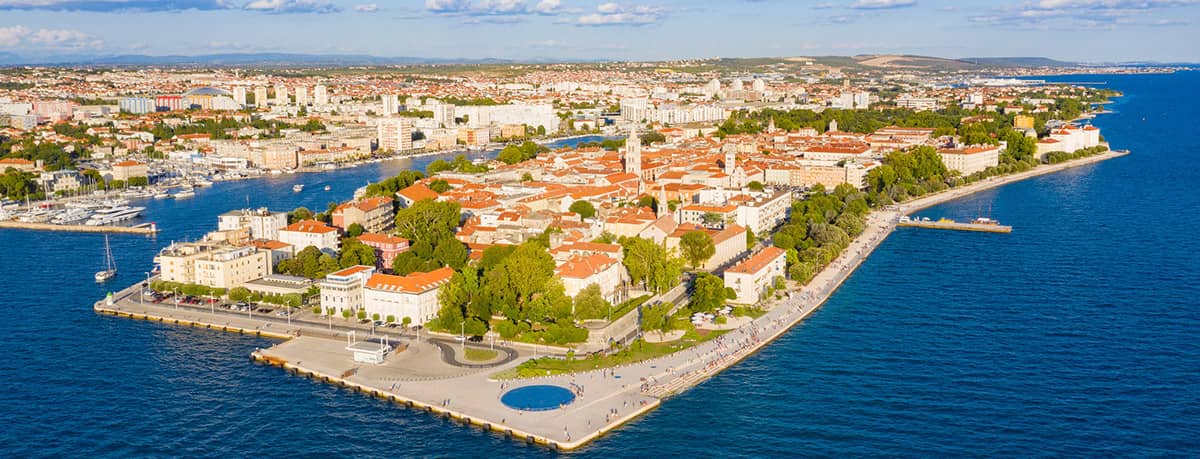
Zadar is a historic coastal city in northern Dalmatia, best known for its Roman and Venetian heritage on a compact Old Town peninsula, and for sunsets on the seafront that end with music and light.
In the space of a single stroll you can move from the remains of the Roman Forum and medieval churches to the UNESCO-listed fortifications that once protected this strategic Adriatic port. Today, Zadar’s modern icons are right on the waterfront: the Sea Organ creates sound using the movement of the waves, and the Greeting to the Sun adds a glowing finale after dark.
Beyond the city, Zadar is an easy base for exploring the wider region, islands and hidden bays offshore, and a diverse hinterland inland with Ravni Kotari landscapes, the Zrmanja river canyon, and the Velebit mountains close by. Zadar Region includes five national parks and three nature parks in the immediate vicinity. These parks include Plitvice Lakes, Krka Waterfalls, Paklenica, and Northern Velebit. For more context on what’s nearby (and how to plan day trips), see our Zadar Region guide.
Zadar quick overview
- Best for: a relaxed Old Town city break, Roman and Venetian history, island-hopping without a car, and unforgettable sunsets on the waterfront.
- How long to stay: 1 day for the Old Town highlights, 2 days to add beaches and a short island hop, 3+ days if you want a national-park day trip (Kornati, Paklenica, Plitvice, or Krka) without rushing.
- Don’t miss: Sea Organ and Greeting to the Sun at sunset, plus the Old Town loop around the Roman Forum and Church of St Donatus.
- Best base area: the Old Town (Peninsula) for walkable sights and evenings; Borik for beaches and resort-style stays; Diklo/Puntamika for a quieter coastal base.
- First-time logistics: arriving by plane? Start with Zadar Airport transport. Taking ferries? Use Zadar ferry info and note there are two ports: Gaženica (most vehicle/international services) and the Old Town port (many passenger catamarans/domestic lines).
Best things to do in Zadar
Zadar’s Old Town is compact and easy to explore on foot, so the best way to see the essentials is to follow a simple west-to-east (or east-to-west) walking loop across the peninsula. Plan your “big sunset moment” for the waterfront, then fill the rest of the day with Roman ruins, Venetian-era streets, and a few standout museums.
Old Town essentials (best first-time walking route)
If you want a stress-free route, start near the southern entrance of the Old Town, walk through the main street, then finish on the western waterfront for sunset.
- Land Gate (Kopnena vrata) and Foša harbour - A classic "arrival photo" spot and an easy start point for the Old Town loop.
- Kalelarga (Široka ulica) - The city’s main “wide street” lined with cafés and shops; it naturally leads you toward the Roman-era heart of town.
- People’s Square (Narodni trg) - A lively square for a quick coffee stop and people-watching before you continue toward the historic core.
- Roman Forum - The focal point of ancient Zadar and the best “big open space” for understanding the city’s layout.
- St Donatus - Zadar’s most recognizable round church right by the Forum; even if you don’t go inside, it’s one of the Old Town’s iconic landmarks.
- Cathedral of St Anastasia and bell tower - A top viewpoint if you want a panorama over rooftops, the harbour, and the islands.
- Sea Organ - Arrive 30-60 minutes before sunset to get a good seat on the steps; the waves “play” the organ as the light changes.
- Greetings to the Sun - Stay after dark for the full effect: the solar-powered circle lights up and becomes part of the evening atmosphere on the promenade.
UNESCO walls and fortifications
Zadar’s historic defensive system is part of UNESCO’s Venetian Works of Defence listing, which makes a fortifications walk one of the most meaningful “history upgrades” you can add to your sightseeing. Use the gates, bastions, and viewpoints as a thread between the Old Town sights, then finish on the waterfront promenade for sunset.
Museums and rainy-day picks
- Museum of Ancient Glass - A standout Zadar museum with Roman-era glass, great for an hour or two when you want something unique and weather-proof.
- Archaeological Museum - Best if you want context for what you’re seeing around the Roman Forum and across the peninsula.
- Zadar Market (morning stop) - If you’re in town earlier in the day, browse the produce and fish stalls for a quick, local-feeling activity before the main sights.
Top tours and experiences in Zadar
If you want to make Zadar effortless (and avoid spending half your trip researching logistics), book one or two "anchor" experiences and build the rest of your days around them. This curated list focuses on what travellers book most often: one great Old Town intro, one food experience, and one "big day" on the sea or in nature.
Old Town walking tour (best first-timer intro)
Best for first-timers who want a fast, high-quality overview of Zadar's Roman core, key landmarks, and the layout of the Peninsula before you explore on your own.
Typical time: ~2 hours. Good to know: Do this early in your trip so the Roman Forum, churches, and waterfront sights make more sense.
Zadar food tasting tour (easy "what should we eat?" solution)
Best for travellers who want a guided route through local flavours - tastings, stories, and practical recommendations you can use for the rest of your stay.
Typical time: ~3 hours. Good to know: Book early in July-August and arrive hungry.
Island-hopping speedboat tour (swim stops + easy half-day)
Best for a "big Adriatic hit" without committing a full day: multiple islands, clear-water swim stops, and a relaxed pace that still feels like a real sea adventure.
Typical time: ~4 hours. Good to know: Choose this on a calm-weather day if you are sensitive to bumpy rides.
Kornati National Park day cruise (the classic "sea day")
Best for travellers who want a full-day boat experience with island scenery and that open-sea Dalmatia feeling, without planning ferries or timing on your own.
Typical time: Full day. Good to know: Bring sun protection and a light layer for wind on deck.
Plitvice Lakes day trip (waterfalls + boardwalks)
Best for a bucket-list nature day: turquoise lakes, waterfalls, and the famous Plitvice boardwalk routes, with transport handled in one booking.
Typical time: ~10 hours. Good to know: This is a long day - wear good walking shoes and start early.
Krka Waterfalls and Zadar Old Town Tour
Best for travelers who want a simple, high-impact day: Krka’s waterfalls and boardwalk scenery, then back to Zadar Old Town for a quick highlights walk before returning to port.
Typical time: ~6 to 8 hours. Good to know: This is designed around cruise timing, but you should still confirm your ship’s all-aboard time and allow buffer for traffic.
Zadar Sunset Boat Tour
Best for an easy win: golden-hour views of the coastline with a relaxed vibe, ideal after a hot sightseeing day in the Old Town.
Typical time: ~1.5 to 2.5 hours. Good to know: Bring a light layer - it can feel cooler once the sun drops.
Eco tuk tuk panorama tour (best for viewpoints and a quick overview)
Best if you want to cover more ground than you can on foot, with scenic lookouts and a comfortable ride - especially useful for cruise stops or limited-mobility travellers.
Typical time: ~1.5 to 2 hours. Good to know: Great as a "first hour in Zadar" plan before you switch to walking.
Planning tip: If you only book two things, make it (1) an Old Town walking tour and (2) one "big day" - Kornati if you want sea scenery, or Plitvice if waterfalls are your priority. Then keep the rest of your itinerary flexible around wind and ferry schedules.
Best beaches in Zadar
Zadar is ideal if you like clear water, easy swim access, and coastal promenades rather than endless sandy shores. Most beaches in and around the city are pebble, rock, or concrete sunbathing platforms, so water shoes are a smart idea for comfortable entry.
Best city beaches close to the Old Town
If you are staying on the Peninsula and want a quick swim between sightseeing stops, start with these. They are the easiest options without a long ride or planning.
- Kolovare Beach - Zadar's classic public city beach just east of the Old Town peninsula. It is known for easy access and a full "beach day" setup nearby (cafes, bars, and services), making it the most convenient choice for first-time visitors.
- Karma Beach - Just beyond the Kolovare area, often quieter than the main stretch. Good if you want a shorter, more relaxed swim stop while staying close to town.
Best for families and easy entry
For calmer swims, a gentler entry, and more space to spread out, look north of the Old Town toward Borik and Puntamika. These areas are also popular if you want shade during the hottest part of the day.
- Borik Beach area - One of the most popular beach zones in Zadar, with a mix of surfaces (pebble sections, some sand in places, and paved areas) plus pine shade in parts. It is a strong pick for families and anyone who wants amenities and a more "resort beach" feel.
- Puntamika - A peninsula area near Borik that is well-suited to swimming and a calmer beach routine. Choose it if you want a less hectic alternative to Borik while still staying close to the city.
Quieter swim spots with shade and scenery
If you prefer smaller coves, pine shade, and a more local atmosphere, these spots can feel like a big upgrade in peak summer.
- Punta Bajlo - A shaded, pine-covered peninsula on the south side of the city near Gaženica. It is popular for its natural setting and a more "escape the crowds" vibe, especially if you want shade without leaving Zadar.
- Diklo - A quieter coastal area north of Borik with multiple smaller swim entries along the promenade. It is a good match if you are staying outside the center and want a simple, local beach routine.
- Uskok / Vitrenjak area - Near the marina zone, often breezier and refreshing in high summer. Best for a quick dip and a change of scenery from the Old Town.
Want real sand and shallow water? Go just outside Zadar
If your priority is soft sand and a shallow lagoon-style sea, Zadar city beaches may not fully match that goal. The easiest upgrade is a short trip to the Nin Riviera, known for sandy coves and shallow water that is especially popular with families.
- Nin Riviera and Queen's Beach - A top choice near Zadar for long sandy stretches and shallow entry. It is one of the best options in the area if you are traveling with small children or specifically want sand.
Tip: Many visitors do "sand day trip" to Nin, then return to Zadar for the evening promenade and sunset by the Sea Organ.
Beach tips for Zadar
- Pack water shoes for pebbles, rocks, and concrete entries.
- Go early in summer for the best spots, especially at Kolovare and Borik.
- Chase shade in the afternoon by choosing pine-backed beaches (Borik, Puntamika, Punta Bajlo) when temperatures peak.
Zadar itinerary ideas
Zadar is easy to plan because the Old Town is compact and most highlights fit into a simple walking loop. Use these itineraries as building blocks - then swap in a beach swim, a museum stop, or a quick island hop depending on weather and energy.
One day in Zadar (classic Old Town loop + sunset)
- Morning - Old Town essentials
Start at Land Gate and Foša harbour, then walk Kalelarga toward People’s Square. Continue to the Roman Forum area for St Donatus and the Cathedral zone. If you want the best view, add the cathedral bell tower before midday crowds and heat. - Late morning - Market stop (optional but very local)
Detour to the Zadar Market for fruit, pastries, cheese, or picnic supplies. It is easiest in the morning; opening hours are typically 7:00-15:00 Mon-Sat and 7:00-12:00 on Sundays and holidays. - Lunch - keep it close
Stay on the Peninsula so you do not lose time. Pick a simple konoba-style lunch or grab market snacks if you want a fast, budget-friendly break. - Afternoon - choose one: museums or an easy waterfront walk
Option A (history): Museum of Ancient Glass and/or the Archaeological Museum for context on what you just saw outside.
Option B (easy and scenic): walk the peninsula edges and pause at viewpoints and small squares, then save energy for the sunset stretch. - Golden hour and sunset - Sea Organ first, then Greeting to the Sun
Arrive 30-60 minutes before sunset, sit on the Sea Organ steps, then stay nearby as it gets dark and the Greeting to the Sun lights up. This is Zadar’s signature evening routine.
If you arrive midday: do the Roman Forum - St Donatus - Cathedral area first, then finish with the waterfront and sunset. You will still hit the best moments even on a short visit.
Two days in Zadar (add beaches + an easy island hop)
- Day 1 - Old Town + sunset
Follow the one-day plan above and keep your evening for the waterfront installations. - Day 2 morning - beach time
Choose Borik for a full beach setup, or pick a smaller swim spot around Puntamika, Diklo, or Punta Bajlo if you want shade and a quieter vibe. - Day 2 afternoon - quick island hop to Ugljan (Preko)
For the easiest island trip, take the ferry to Preko on Ugljan. The crossing is about 25 minutes, so you can swim, stroll, or rent bikes and still be back in time for dinner in Zadar.
Bad weather alternative: swap beaches for museums and a longer fortifications walk around the Old Town, then end the day with a sunset attempt if skies clear.
Three days in Zadar (add a national park day)
- Day 1 - Old Town loop + sunset
- Day 2 - beaches + island hop
- Day 3 - pick one big day trip
Kornati for a boat day and island scenery, Paklenica for hiking and canyons, or Plitvice Lakes if waterfalls are your priority (it is a long day - plan an early start and several hours inside the park).
For more planning ideas and transport specifics, see day trips from Zadar and Plitvice Lakes.
Island hopping from Zadar
Zadar is one of the easiest bases in Croatia for island hopping without a car. You can do a quick half-day escape to a nearby island, or build a full-day adventure around bigger scenery like Dugi Otok or a boat trip to Kornati.
Start here: which ferry port do you need?
- Zadar - Gaženica Ferry Port - the main terminal for car ferries, larger ships, many longer island routes, and international connections. If you are unsure where your sailing departs from, Gaženica is often the answer.
- Zadar - Old Town (city port) - the smaller port by the peninsula, commonly used by passenger-only fast ships and domestic catamarans. It can be the most convenient option if you are staying in the Old Town and traveling as a foot passenger.
Because ports and schedules vary by line and season, always confirm your departure port before you go. For route overviews and links to timetables, use Ferries from Zadar.
Best quick island hop: Ugljan (Preko) and tiny Ošljak
If you want the easiest first island trip, go to Preko on the island of Ugljan. The crossing is short, departures are frequent, and it works perfectly as a half-day or evening trip. Many sailings also stop at Ošljak, the smallest inhabited Croatian island, which is a fun extra stop if you like quiet walks and a slower pace. To plan it step by step, start with the Zadar - Ošljak - Preko (Ugljan) ferry guide and pick a departure that fits your day.
- Why go: a simple change of scenery, easy swimming, relaxed promenades, and a low-stress island day without complex logistics.
- Best for: families, first-time visitors, and anyone with limited time who still wants a real island experience.
- Make it better: go early, swim or stroll in Preko, then return to Zadar in time for sunset on the waterfront.
Big scenery day: Dugi Otok and island landscapes
Dugi Otok is the classic "wow" island near Zadar. It is longer, wilder, and more dramatic than the closest islands, and it rewards visitors who want beaches, viewpoints, and nature. If you are traveling independently, choose a route that matches your plan and confirm whether it departs from Gaženica or the Old Town port.
- Why go: larger island feel, bigger nature, and the option to combine beaches with a nature park style day.
- Best for: travelers who want more than a quick swim and are happy to dedicate most of the day to the trip.
Remote islands by fast ship: Silba, Olib, Ist, Molat and more
Zadar also connects to smaller, quieter islands across the archipelago. These routes are excellent for slow travel, but they can involve longer sailing times and fewer departures, so they work best if you are comfortable planning around a timetable.
- Good for: a peaceful overnight trip, a car-free island stay, or a slower multi-day itinerary.
- Not ideal for: a tight half-day plan, unless you pick an island with a quick schedule and return option.
How to choose the right island plan
- If you have 3 to 5 hours: do Preko on Ugljan for an easy win.
- If you have a full day: consider Dugi Otok, or book an organized boat trip that handles transport and timing.
- If you want a bucket-list boat day: look at Kornati-style excursions and keep your evening free for Zadar waterfront sunset afterward.
Practical island hopping tips
- Check seasonal timetables - routes and frequencies change between winter and summer.
- Arrive early in high season - especially for popular lines and weekends.
- Know your ticket type - passenger-only fast ships and car ferries operate differently and may depart from different ports.
Best day trips from Zadar
Zadar is one of Croatia's best bases for day trips because you can combine islands, national parks, and small historic towns without changing accommodation. The main choice is simple: do you see yourself on a boat, on a hiking trail, or walking through waterfalls and viewpoints?
If you want a broader list and planning ideas, start with day trips from Zadar.
Kornati and Telašćica - the classic boat day
If you book just one organized excursion from Zadar, this is the one most travelers choose. Kornati is famous for its island scenery and open-sea views, and many tours combine it with Telašćica Nature Park on Dugi Otok for extra highlights like cliffs and a salt lake. It is a full-day commitment, but it delivers the "Dalmatian islands" experience in one go.
- Best for: first-time visitors, couples, groups, and anyone who wants a memorable day on the sea without planning ferries.
- What to expect: early start, long but scenic sailing, swimming stops, and a structured schedule.
- Good to know: wind and sea conditions can affect routing, so keep your day flexible and do not stack other tight plans.
Paklenica National Park - easy hiking close to Zadar
Paklenica is the easiest "nature win" from Zadar. It is close enough for a morning start without stress, and you can choose anything from a gentle canyon walk to a longer hike. You will also see rock climbers on the canyon walls in season, which adds a unique atmosphere even if you are not climbing.
- Best for: active travelers, hikers, and anyone who wants a national park without a long drive.
- Time planning: works well as a half-day or full-day trip depending on your route.
- Tip: go early in summer for cooler temperatures and a better experience on the trails.
Plitvice Lakes - big waterfalls, big day
Plitvice is one of the most famous natural sights in Croatia, and it is doable from Zadar, but it is a long day. The reward is huge if waterfalls and lake walks are your top priority. Plan an early departure, expect a lot of walking, and do not underestimate return traffic in peak summer.
- Best for: travelers who want a bucket-list nature day and are happy to dedicate the full day.
- How to do it: self-drive for flexibility, or take an organized tour if you want transport handled for you.
- Must-do: buy tickets in advance when possible, especially in peak season.
For practical planning, routes, and what to see first, use our Plitvice Lakes guide.
Krka National Park - waterfalls with easier logistics
Krka is another strong waterfalls day trip and often feels simpler than Plitvice from a logistics perspective. Many visitors focus on Skradinski Buk, with entrances like Lozovac commonly used for access and parking. If you want waterfalls but prefer a shorter, less intense day than Plitvice, Krka is a great choice.
- Best for: waterfall lovers who want a full day, but with less driving and a more relaxed pace than Plitvice.
- Tip: arrive early to enjoy the trails before the busiest part of the day.
- Good to know: entrances and internal transport can be seasonal, so check current access rules when planning.
Nin - history and sand close to Zadar
Nin is one of the easiest half-day trips from Zadar and a perfect match for families or anyone craving a sandy beach day. Combine a short Old Town visit with a swim at Queen's Beach and you get a very different vibe from Zadar's mostly pebbly city beaches.
- Best for: families, relaxed travelers, and anyone who wants sand and shallow water.
- Plan it: go in the morning for the town atmosphere, then move to the beach for the warmest part of the day.
Pag Island - landscapes, viewpoints, and local food
Pag is a great day trip when you want dramatic scenery and a taste of island culture without ferry logistics. The island is connected by bridge, so it is straightforward by car or bus. Many visitors come for the stark landscapes, viewpoints, and local specialties like Pag cheese.
- Best for: photographers, food lovers, and travelers who want a different landscape from classic pine-and-pebble coastlines.
- Tip: pick one main base for the day (Pag Town or Novalja area) so you do not spend the whole day moving between stops.
Zrmanja River canyon - viewpoints and adventure options
If you want inland scenery, the Zrmanja area is known for canyon landscapes and viewpoints. It is a strong choice if you already did the Old Town and beaches and want something that feels more wild and off the standard coastal routine. Depending on season and conditions, this can pair well with light adventure activities.
- Best for: scenery, photography, and travelers who want a quieter inland day.
- Tip: check weather and water conditions if your plan includes any water-based activity.
How to choose the right day trip
- Want islands without planning: book a Kornati and Telašćica boat excursion.
- Want the easiest national park from Zadar: choose Paklenica.
- Want the most famous waterfalls: choose Plitvice and commit to the long day.
- Want a simpler waterfall day: choose Krka.
- Want sand and a short drive: choose Nin.
- Want landscapes and food: choose Pag.
Where to stay in Zadar
Zadar is easy to enjoy from almost anywhere, but choosing the right base makes a big difference. Decide first whether you want to walk everywhere (Old Town), prioritize beaches and pools (Borik), or keep things quieter with easier parking (Diklo, Arbanasi, outskirts).
Best areas in Zadar - quick pros and cons
- Old Town (Peninsula / Poluotok) - Best for first-time visitors who want to walk to the Roman Forum, cafés, and the Sea Organ every day. Expect a lively atmosphere in summer and higher prices. If you have a car, parking can be the main drawback, so consider staying outside the walls and visiting by foot.
- Kolovare and Arbanasi - Great value if you want to be close to the city beach and still reach the Old Town easily. This is a smart choice for travelers who want a more local feel without being in the noisiest core.
- Borik and Puntamika - Best for beach time, family trips, and travelers who want hotel-style amenities (often pools, resorts, and a more "holiday zone" vibe). You trade some Old Town convenience for a relaxed seaside routine.
- Diklo - A quieter coastal base north of Borik with lots of apartments and sunset promenades. Ideal if you want peace and easy swim access, and you are happy to take a short ride to the Old Town for sightseeing and dinners.
- Gaženica and outskirts - Best for practical logistics: early ferry departures, driving days, and easier parking. Not as atmospheric as the peninsula, but very convenient if your plan includes multiple day trips or island connections.
Choose your accommodation type
Once you pick an area, decide what style of stay fits your trip. Zadar has a strong mix of hotels, private apartments, and small guesthouses, so it is worth choosing based on your priorities rather than just price. For those who want to indulge in luxury, there are many high-end hotels located in the city centre conveniently located close to Zadar's top attractions. These villas, hotels and hostels provide the perfect base for exploring the city and its surrounding areas.
- Zadar hotels - Best for short stays, couples, and anyone who wants reception support, breakfast, and easy check-in. Look at Old Town for walkability or Borik for beach resorts.
- Zadar villas - Best for families and groups who want space, a kitchen, and a more private setup. Often better value outside the Peninsula, especially around Diklo, Borik, and quieter coastal neighborhoods.
- Zadar hostels - Best for budget travelers and solo trips. Old Town hostels are ideal for meeting people and walking everywhere, while locations outside the center can be quieter for sleeping.
Booking tips that actually help
- Visiting in July or August? Book earlier than you think, especially for the Old Town and beachfront areas.
- Driving to Zadar? Prioritize a place with parking or choose a neighborhood outside the Peninsula to avoid daily parking stress.
- Light sleeper? Avoid the busiest squares and bar streets in the Old Town during peak season, or choose Arbanasi, Diklo, or Borik for a calmer night.
- Want the easiest "best of both" stay? Pick Kolovare or Arbanasi for beach access and a straightforward route into the Old Town.
How to get to Zadar
Zadar is easy to reach by plane, ferry, bus, or car. The main thing to get right is your hub: Zadar Airport (ZAD) is close to town, ferries use either Gaženica or the Old Town port depending on the route, and Zadar Bus Station is the central interchange for airport transfers, city buses, and onward travel.
 By plane - Zadar Airport (ZAD, Zemunik)
Zadar Airport is around 8 km from the city and works well for both short city breaks and longer island-hopping or national-park itineraries. Start here for planning: Flights to Zadar and Zadar Airport and shuttle bus timetable.
Airport shuttle bus (recommended for most travelers)
The simplest public transfer is the airport shuttle operated with local transport connections. It links the airport with Zadar Bus Station and continues toward the Peninsula (Old Town area), with a stop at Gaženica ferry port along the route.
- Route: Old Town (City Centre) - Zadar Bus Station - Gaženica Ferry Port - Zadar Airport (and return)
- Price: EUR 5 one way
- Luggage: included
- Payment: on the bus (cash or bank card)
- Travel time: about 20 minutes from the airport to the Peninsula (traffic dependent)
- Bonus: the ticket is valid for 90 minutes and can be used for onward city transport during that period
- Where to board in town: Zadar Bus Station (commonly platform 8) and the City Centre stop
- Timetable: published regularly and can change by month and season - always check the latest schedule before travel
Taxi and private transfers
If you arrive late, have a tight connection (for example a ferry), or you are traveling with lots of luggage, taxis and pre-booked transfers are the fastest option. In summer, booking ahead can be worth it if you land at peak arrival times.
Car rental and airport parking
Driving gives you the most flexibility for day trips (Paklenica, Krka, Plitvice, Nin, Pag) and is especially useful if your itinerary includes multiple bases. Zadar Airport has on-site parking and space allocated for rental cars.
- Airport parking capacity: 425 passenger car spaces
- Rental car spaces: 97
- Accessibility: designated parking for passengers with reduced mobility close to the terminal
 By ferry - islands, catamarans, and Italy
Zadar is a major sea-transport hub and a great gateway to the Zadar archipelago. First, identify which port your sailing uses, because Zadar has two different departure points.
Zadar has two ferry ports
- Gaženica Ferry Port - the main terminal for most car ferries, Ro-Ro traffic, many longer island routes, and international services. It is on the outskirts of Zadar, roughly 4 to 5 km from the city center and about 7 km from the airport. The modern passenger terminal includes amenities such as shops, cafes, and a supermarket.
- Old Town port (city port) - the smaller port by the Peninsula, used by many passenger-only services (catamarans) and domestic lines. It is the most convenient departure point if you are staying inside or near the Old Town walls.
Start here for routes and timetables
- Ferries from Zadar - overview of routes, operators, and planning links
- Zadar - Ošljak - Preko (Ugljan) ferry - the easiest, most beginner-friendly island hop
- Zadar - Ancona (Italy) - international link across the Adriatic (seasonal)
International ferry to Ancona (Italy)
Zadar also connects to Italy in season via the Zadar (Gaženica) - Ancona route. It is a practical option for summer trips and can be a fun alternative to flying if you are combining Croatia and Italy in one itinerary. Always check the current schedule, as frequency is seasonal.
Arriving by ferry - quick logistics tips
- Confirm your departure port the day before travel, especially in summer when schedules and vessel types can change.
- Foot passenger or car ferry? passenger-only catamarans and vehicle ferries often depart from different ports.
- Leave buffer time if you are connecting from a flight or bus to a ferry, especially in July and August.
 By bus - intercity coaches to Zadar Bus Station
Zadar Bus Station is the main overland hub for arrivals from Zagreb, Split, Šibenik, and many other towns. It is also the easiest connection point for the airport shuttle and for onward travel toward Gaženica ferry port.
- Best for: travelers not renting a car, and anyone arriving from inland Croatia
- Useful if you are continuing by ferry: the station has direct connectivity toward Gaženica and makes transfers easier than starting from the Old Town
- Airport connection: airport shuttle commonly departs from platform 8 and links bus station, Gaženica, and the City Centre
 By car - best for flexible day trips
Driving is ideal if you plan to explore beyond the city or move accommodation frequently. For airport access, the recommended route is via the A1 motorway and exit Zadar 2, then follow signs for the airport and Zadar.
- Good for: national parks, inland viewpoints, and beaches outside the city
- Parking note: if you stay on the Old Town Peninsula, prioritize accommodation with parking or choose a nearby neighborhood and visit the Old Town on foot
Cruise arrivals - where you actually dock
Most large cruise ships use the Gaženica terminal rather than docking in the Old Town. From Gaženica, plan a short transfer into the Peninsula area for sightseeing, then return for your departure time.
- Best option: taxi or cruise shuttle (when available)
- Budget option: use local transport connections via the bus station if timings work
Quick planning checklist
- Check schedules by season: flight timetables, airport shuttle times, and ferry routes all change between winter and summer.
- Know your ferry port: Gaženica and the Old Town port are not interchangeable.
- Allow connection time: in peak season, add buffer for traffic, queues, and boarding.
Getting around Zadar
Zadar is a simple city to navigate once you know the basics: the Old Town (Peninsula) is built for walking, beaches sit in a loose line north and south of the center, and most transport connections funnel through Zadar Bus Station and the two ferry ports. Use this section to decide when you can walk, when a bus saves time, and when a taxi is worth it.
Walking - the best way to see the Old Town
The Peninsula is compact, mostly flat, and easiest on foot. Most first-time highlights are within a comfortable stroll: the Roman Forum area, Kalelarga, the Cathedral zone, Land Gate and Foša, then the waterfront loop to the Sea Organ and Greeting to the Sun.
- Best for: sightseeing days, sunsets, evenings out, quick coffee stops.
- Good to know: in peak summer, the Old Town is most enjoyable early morning and late afternoon, with a break for swimming or museums in the hottest hours.
Local buses - best for beaches, neighborhoods, and Gaženica
City buses are useful when you are staying outside the Peninsula, heading to Borik or Diklo, or connecting to Gaženica ferry port. The local operator is Liburnija, and tickets are typically purchased directly from the driver (cash), while mobile purchasing is also available via the Zadar City app.
- Use buses for: Borik resort zone, Puntamika, Diklo, Arbanasi, Gaženica ferry port, and quick hops when you do not want to walk in the heat.
- Tickets: buying from the driver is common; the Zadar City app can offer discounted options depending on ticket type.
- Practical tip: if you are landing at the airport, the airport shuttle route stops at the bus station and Gaženica, which can simplify connections on travel days. Start with Zadar Airport and shuttle bus timetable.
Taxis and ride-hailing - best for late arrivals and luggage
Taxis are a good fallback when you arrive late, have heavy bags, or need a direct transfer to Gaženica. In high season, ordering through an app can reduce guesswork on pricing and availability.
- Best for: airport to accommodation, Gaženica connections, late-night returns from Borik or Diklo, groups splitting the cost.
- Tip: if your accommodation is inside or near the Old Town, confirm the closest car-access drop-off point, since parts of the Peninsula have limited vehicle access.
Bikes and e-scooters - great for the waterfront and coastal districts
Cycling is a smart way to connect the Peninsula with Borik, Puntamika, and Diklo, especially along the waterfront routes. Zadar also has bike-share style options in season.
- Best for: morning rides, beach-to-beach hopping, and avoiding short taxi trips.
- Tip: in summer, ride early or near sunset to avoid peak heat.
Driving and parking - what to know before you stay on the Peninsula
Having a car is excellent for day trips (Paklenica, Krka, Plitvice, Nin, Pag), but it can be inconvenient in the Old Town. Parking zones and restrictions are strictest closest to the Peninsula, and some central areas are resident-priority with short limits for non-residents.
- If you are staying in the Old Town: prioritize accommodation with a reserved parking space, or choose a nearby neighborhood and walk in.
- If you are doing day trips: staying outside the Peninsula can save daily stress and time.
- Practical approach: park once and treat the Old Town as a walking zone.
Getting to the ferry ports
Ferries are a core part of the Zadar experience, but the logistics depend on which port your route uses.
- Gaženica: main terminal for many car ferries and longer routes. Plan a bus or taxi transfer if you are staying on the Peninsula.
- Old Town port: convenient for many passenger-only catamarans if you are staying in or near the Old Town.
For routes and planning links, use Ferries from Zadar. For the easiest first island hop, start with Zadar - Ošljak - Preko (Ugljan) ferry.
Quick "what should I use?" guide
- Old Town sightseeing day: walk.
- Beach day in Borik or Diklo: bus, bike, or taxi depending on heat and timing.
- Early ferry from Gaženica: taxi if you are tight on time, bus if the schedule aligns.
- National parks and inland trips: rent a car for maximum flexibility.
Food and drink in Zadar
Zadar is a brilliant place to eat your way through Northern Dalmatia - think simple, seasonal cooking built around olive oil, just-caught seafood, and produce from the fertile hinterland of Ravni Kotari. If you want a wider overview of local dishes before you arrive, start with Croatian cuisine, then come back here to choose what to order in Zadar.
What to try - Dalmatian classics and Zadar region favourites
Most menus in Zadar focus on what is freshest that day. In a traditional konoba, ask what is "today's catch" (dnevni ulov) and what is slow-cooked (sporo kuhano) - these are usually the best-value local picks.
- Grilled fish (white fish like sea bass or sea bream) - typically served with blitva (chard and potatoes) and olive oil.
- Crni rižot (black risotto) - a Dalmatian classic made with cuttlefish or squid and ink.
- Brudet (fish stew) - slow-cooked seafood in a tomato-based sauce, often served with polenta.
- Salata od hobotnice (octopus salad) - a refreshing starter, especially in summer.
- Peka - meat or octopus and potatoes cooked under a bell-like lid, usually best when ordered in advance.
- Pašticada - a rich, slow-cooked beef dish (more common across Dalmatia) served with gnocchi.
- Paški sir (Pag cheese) and Paška janjetina (Pag lamb) - iconic flavours of the wider Zadar region.
Where to eat - quick neighbourhood guide
Old Town (Poluotok) is the easiest base for first-time visitors - you can walk everywhere, and you will find plenty of traditional konobas and modern bistros near the Roman Forum, Kalelarga, and the waterfront. For a quieter vibe, look slightly away from the main lanes.
Waterfront and the Sea Organ area is great for sunset drinks and dinner with views. Expect higher demand and busier terraces in peak season, so reserving a table helps for evenings in July and August.
Borik and Diklo (coastal neighbourhoods) work well if you are staying by the beach and want casual seafood spots without going back into the Old Town every night.
- Budget tip: bakeries (pekara) are ideal for breakfast on the go - grab burek, savoury pastries, and espresso.
- Vegetarian friendly: look for grilled seasonal vegetables, hearty salads, and pasta dishes with local olive oil and herbs.
- Ordering tip: if you see "peka" on a menu, ask if it needs advance notice - many places prepare it only with pre-order.
Visit the Zadar Market and fish market
If you want a local snapshot of Zadar, go early to the market area near the Old Town. You will find seasonal fruit and vegetables, local cheeses, cured meats, honey, olive oil, and herbs, plus fish and seafood depending on the daily catch.
For practical planning, check the current opening hours on the official site of the Zadar Market before you go.
Wine, olive oil, and the famous Zadar Maraschino
The Zadar area has a strong wine and olive oil tradition, with vineyards in Ravni Kotari producing both international varieties and local grapes such as Maraština and Debit. If you are exploring beyond the city, our Zadar Region guide is a good starting point for countryside routes, rural tastings, and day-trip ideas.
For something uniquely Zadar, try Maraschino - a historic liqueur made from marasca cherries and closely associated with the city. It is often served as a digestif after dinner or used in cocktails. For background on why it is considered a regional original, see the Croatian tourism board overview of Maraschino liqueur.
Best time to visit Zadar
Zadar works in every season, but the best time depends on what you want most: swimming and island days, comfortable sightseeing weather, or a quieter city break with lower prices. Use this month-by-month guide to match your trip to the conditions.
At a glance - what season is best?
- Best overall (balance of weather and crowds): late April to June, and September to early October
- Best for swimming and beach time: late June to September (warmest sea in July and August)
- Best for hiking and national parks: April to June, and September to October
- Best for a quiet city break: November to March (cooler, windier, and more rain, but fewer tourists)
Spring (March to May) - ideal for sightseeing and day trips
Spring is one of the smartest times to visit Zadar if you care about comfortable walking weather and easier logistics. The Old Town is enjoyable all day, restaurant reservations are less stressful, and day trips to places like Paklenica or inland viewpoints feel more pleasant than peak summer.
- Sea temperature: often still cool in March and April, with swimming becoming more realistic in late May for hardy swimmers
- Best for: Old Town walks, museums, cycling, photography, and national parks
- Tip: pack a light jacket for evenings and wind on the waterfront
Early summer (June) - warm days, manageable crowds
June is a sweet spot: long days, warmer sea, and a lively feel without the full July and August intensity. It is a great month for mixing beaches with Old Town sightseeing and adding one organized boat day.
- Sea temperature: typically comfortable by mid to late June
- Best for: island hopping, beaches, Kornati style boat trips, and sunset evenings by the waterfront
- Tip: book popular accommodation zones early if you want the Peninsula or beachfront areas
Peak summer (July to August) - best sea, busiest city
July and August deliver the warmest sea and the most energy, but they also bring the biggest crowds and the highest prices. Expect a busy Old Town in the evening and strong demand for boat trips, ferries, and top restaurants.
- Sea temperature: warmest of the year, usually best for long swims and beach days
- Best for: swimming, nightlife, festivals, and a classic coastal summer holiday
- Strategy: sightsee early, swim during the hottest hours, then return to the Old Town and waterfront for sunset
- Booking tip: reserve accommodation and popular excursions well ahead, especially if you want to stay on the Peninsula
If you want to see what is on during your dates, check the official Zadar region events listings for festivals, concerts, food events, and sports.
Autumn (September to November) - warm sea, calmer pace
September often feels like the best version of summer: the sea stays warm while the crowds thin out. October can still be excellent for sightseeing and food focused trips, while November is cooler and tends to be wetter.
- Sea temperature: often still great in September, then gradually cools through October
- Best for: a relaxed mix of beaches and Old Town time, plus day trips without peak season pressure
- Tip: by late October and November, plan more flexible indoor options (museums, food, markets) in case of rain
Winter (December to February) - quiet Old Town and local atmosphere
Winter is the calmest season in Zadar. You will get a more local feel, easier dining, and peaceful walks around the Peninsula, but also shorter days, more rain, and strong winds at times.
- Weather note: the bura wind can bring sharp, gusty conditions, especially in winter and shoulder months
- Best for: a low key city break, museums, food, and walking when the weather is clear
- Tip: keep a windproof layer handy if you plan sunset walks along the waterfront
Festival and event tip - check what is on
Zadar has a strong cultural calendar, especially in warmer months. For planning, browse the official listings and choose your dates around concerts or summer performances if that is important to you. Start with Zadar events, then build your day plan around the Old Town and waterfront.
Quick packing guide by season
- Spring: layers, light rain jacket, comfortable walking shoes
- Summer: sun protection, water shoes for pebbly beaches, light evening layer for breeze
- Autumn: a warmer layer for evenings, plus a small umbrella in October and November
- Winter: windproof jacket, closed shoes, and flexible plans for rainy or windy days
Practical tips (quick wins)
These small details make a big difference in Zadar - especially in summer when the Old Town gets busy and day trips sell out.
1) Nail the sunset plan
- Arrive early: get to the waterfront 30 to 60 minutes before sunset for the best seats.
- Do it in the right order: start at the Sea Organ, then stay nearby for Greeting to the Sun after dark.
- Beat the crowds: if the main steps are packed, walk a few minutes along the promenade for quieter viewpoints, then return as the light changes.
2) Plan day trips like a local
- Book early in peak season: boat trips and popular excursions can fill up fast in July and August.
- Choose one big trip per day: do not stack a long national park day with evening ferry connections.
- Use your planning hub: start with day trips from Zadar to pick the best option for your time and energy.
3) Ferries: confirm the port before you go
- Zadar has two ports: many services use Gaženica, while many passenger-only lines use the Old Town port.
- Always double-check: confirm the departure port and timing the day before travel, especially in summer.
- Start here: Ferries from Zadar and the popular quick hop Zadar - Ošljak - Preko (Ugljan) ferry.
4) Airport transfer: check the latest timetable
- Most convenient option: use the airport shuttle for a straightforward transfer into town.
- Timetables change: always check the latest schedule before you fly.
- Start here: Zadar Airport and shuttle bus timetable.
5) Pack for the beaches you will actually use
- Bring water shoes: many swim spots are pebble, rock, or concrete platforms.
- Chase shade in peak heat: choose pine-backed areas (Borik, Puntamika, Punta Bajlo) for a more comfortable afternoon.
- Want sand? consider a short trip to Nin for sandy, shallow beaches, then return to Zadar for the evening promenade.
6) If you have a car, avoid daily parking stress
- Old Town is best on foot: parking is more difficult closest to the Peninsula, especially in summer.
- Smart strategy: stay outside the center with parking, then walk in for sightseeing and evenings.
7) Eat well without overthinking it
- Go early to the market: mornings are best for produce and local atmosphere.
- Order what is fresh: ask for dnevni ulov (today's catch) and local seasonal dishes.
- Want a quick food primer: start with Croatian cuisine.
8) Weather reality check
- Wind happens: the bura can make the waterfront feel colder than expected, even on sunny days.
- Always carry one light layer: especially for sunset walks and boat days.
FAQ - Zadar
Is Zadar worth visiting?
Yes. Zadar is one of the best-value coastal city breaks in Croatia because you get a compact Old Town with Roman and Venetian heritage, a seafront promenade made for sunsets, and easy access to islands and national parks. It also works well as a base if you want to do day trips without changing accommodation.
How many days do you need in Zadar?
Plan 1 day if you only want the Old Town highlights and the waterfront at sunset. Plan 2 days to add beaches and a quick island hop. Plan 3 days (or more) if you want to include a full day trip to a national park or a Kornati boat excursion without rushing.
What are the best things to do in Zadar?
For a first visit, focus on the Old Town walking loop and finish at sunset on the waterfront. The top experiences are the Sea Organ, the Greeting to the Sun, and the Roman Forum area including Roman Forum and Church of St Donatus.
What are the best beaches in Zadar?
For the most convenient city beach close to the Old Town, choose Kolovare. For a more developed beach zone with a classic holiday feel, look at Borik. For quieter swim spots with a more local vibe, consider Puntamika, Diklo, or pine-shaded areas like Punta Bajlo. If you want soft sand and shallow water, do a short trip to Nin.
How do you get from Zadar Airport to the Old Town?
The easiest option is the airport shuttle bus. It connects Zadar Airport with the city, including stops at Zadar Bus Station and Gaženica ferry port, and continues toward the City Centre area. Always check the latest timetable before you fly using Zadar Airport and shuttle bus timetable. Taxis and private transfers are also available if you arrive late or have lots of luggage.
Which ferry port does Zadar use?
Zadar has two ports. Gaženica is the main terminal used for many car ferries, longer routes, and international services. The Old Town port by the Peninsula is often used by passenger-only catamarans and domestic lines. Always confirm your departure port when planning, starting with Ferries from Zadar.
What is the easiest island trip from Zadar?
The easiest first island hop is Preko on Ugljan (often with a stop at Ošljak). It is simple to do as a half-day or evening trip and works well without a car. Use the route guide and planning links here: Zadar - Ošljak - Preko (Ugljan) ferry.
Can you do a day trip from Zadar to Plitvice?
Yes, but it is a long day. Start early, plan several hours inside the park, and expect a late return in peak season. If you prefer something closer and more flexible, consider Paklenica (hiking) or a boat day to Kornati instead. For planning and routes, see Plitvice Lakes and day trips from Zadar.
What is the best area to stay in Zadar?
Stay in the Old Town (Peninsula) if you want to walk everywhere and enjoy evenings without transport. Choose Borik if beaches and resort-style stays matter most. Pick Diklo or Arbanasi if you want a quieter base with easier parking and a more local feel. For accommodation options, browse Zadar hotels, Zadar villas, and Zadar hostels.
When is the best time to visit Zadar?
For the best balance of weather and crowds, visit in late spring (May to June) or early autumn (September). July and August are best for the warmest sea and the most summer energy, but they are also the busiest. For a quieter city break, winter is calm and atmospheric, but expect more wind and fewer tours running.
Where should I start planning ferries and transport?
Start with Ferries from Zadar for routes and ports, and Zadar Airport and shuttle bus timetable for airport transfers. If food is part of your trip planning, use Croatian cuisine to get familiar with what to order once you arrive.