
Rovinj Travel Guide: Best Things to Do, Beaches, and Trip Planning
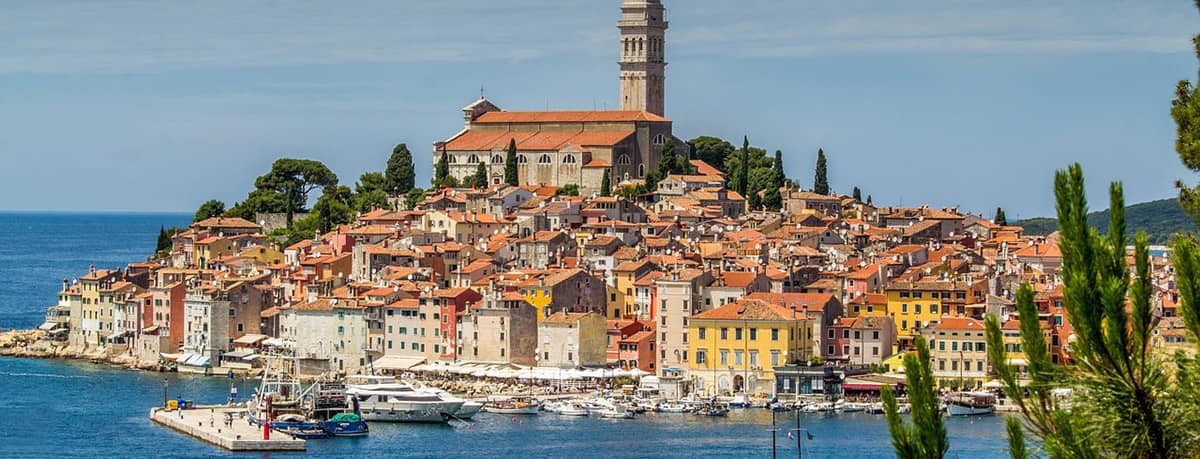
Rovinj is one of Istria’s most atmospheric coastal towns, built on a compact peninsula where colourful old-town houses climb towards the landmark Church of St. Euphemia and its panoramic bell tower views.
Come for the cobbled lanes, waterfront cafés, galleries, and sunset walks, then escape into pine shade at Golden Cape Forest Park (Zlatni Rt / Punta Corrente) or hop on a boat to nearby islands for swimming and easy Adriatic day trips.
This Rovinj travel guide helps you plan the essentials: the best things to do, the best beaches, where to stay, and where to eat, plus practical transport tips (including parking, seasonal ferries, and day trips across Istria). For wider planning, see our Istria travel guide.
Rovinj - quick overview
- Best for: romantic getaways, food and wine lovers, easy beach days, photographers, and slow travel in Istria.
- Don’t miss: Old Town lanes and the harbour promenade, St. Euphemia and its bell tower views, Golden Cape (Zlatni Rt / Punta Corrente), and a boat trip to nearby islands.
- How many days: 1 day for the highlights, 2 days for a relaxed pace, 3+ days if you want beaches, boat trips, and Istria day trips.
- Closest airport: Pula Airport (PUY) (about 40 km from Rovinj).
Top Things to Do in Rovinj
Rovinj is a compact coastal town packed with experiences: atmospheric Old Town wandering, beaches and forest-park swims, boat trips to island coves, and a surprisingly strong mix of culture, food, and outdoor adventure. It’s also perfectly placed for exploring Istria and even quick side trips towards Slovenia or Italy in season. For a full checklist and more ideas, see our things to do in Rovinj guide.
- Best for first-timers: Old Town + St. Euphemia + Golden Cape + sunset harbour walk.
- Best for outdoor lovers: cycling and swimming at Punta Corrente, kayaking, diving, and coastal hikes.
- Best for culture: Batana heritage, galleries on Grisia Street, and historic architecture around the peninsula.
Discover Rovinj’s Old Town and harbour promenade
Start at the waterfront, then follow the steep lanes uphill through Venetian-era architecture, small squares, galleries, and viewpoint corners. The Old Town sits on a hilly peninsula, and some houses seem to rise straight from the sea, part of the town’s unique “built on a rock” charm. Comfortable shoes make a big difference on cobblestones and stairs.
Walk through Balbi’s Arch and up Grisia Street (the “art street”)
Balbi’s Arch is one of Rovinj’s iconic gateways into the Old Town, and Grisia is the famous stepped street that climbs towards St. Euphemia. It’s lined with galleries and art displays, and it’s one of the best spots in Rovinj for slow browsing, photos, and that classic “Rovinj atmosphere” feeling.
Visit the Church of St. Euphemia and climb the bell tower for panoramic views
Rovinj’s skyline is defined by St. Euphemia’s church and bell tower. If you’re comfortable with heights, the climb rewards you with one of the best views in Istria: red rooftops spilling to the harbour, islands scattered offshore, and open Adriatic horizons.
Find your adventure at Golden Cape Forest Park (Zlatni Rt / Punta Corrente)
Just outside the centre, Punta Corrente (Zlatni Rt / Golden Cape) is the “do-everything” nature escape: shaded pine paths for walking and jogging, smooth routes for cycling, and rocky swim spots that are perfect on hot days. If you want more than relaxing, the wider area is also known for limestone cliffs and outdoor activities, so you can easily combine a swim with a more adventurous afternoon.
Take a boat trip, island hop, or book a sunset cruise
Boat trips are one of the easiest ways to get that postcard view of Rovinj from the sea. Popular choices include short island hops for swimming, half-day cruises, and sunset sails around the Old Town. Island highlights include Sv. Katarina and Sv. Andrija / Red Island (Crveni Otok), which are especially appealing if you want a quick “mini escape” without losing your whole day.
Kayak for a different perspective of Rovinj
Kayaking is one of the most memorable ways to experience Rovinj: you’ll see the Old Town from water level, paddle along the coastline, and often reach small island corners you’d never notice from land. It’s also a great alternative if you want a “boat-trip vibe” with more freedom and less structure.
Dive into the deep blue (shipwreck diving and marine life)
Istria’s waters are known for diving, including famous wrecks such as the Baron Gautsch (a historic wreck lying deep offshore). If you’re certified and looking for a standout dive day, Rovinj is one of the main bases for arranging excursions with local dive centres.
Experience Rovinj’s maritime heritage with a batana sail
The batana is Rovinj’s traditional wooden fishing boat and a symbol of the town’s heritage. In season, you can experience an evening sail around the Old Town at dusk, one of the most atmospheric ways to connect with Rovinj’s fishing roots and see the peninsula glow at sunset.
Browse Rovinj Market for a local morning vibe
For a genuine everyday stop, visit the market at Valdibora Square for seasonal produce, picnic supplies, and a quick taste of local life, especially useful if you’re planning a beach day or boat trip.
Get a culture fix at the Batana Eco-Museum
If you want a short, meaningful cultural visit, the Batana Eco-Museum focuses on traditional boatbuilding, fishing culture, and everyday maritime life. It’s a great “one-hour museum” that adds depth to your Old Town wandering.
Horseback riding and countryside experiences
If you have more time (or want a break from the coast), horseback riding is a scenic way to explore Istria’s landscapes beyond Rovinj. It’s a good option for couples and families who want a nature-focused activity that feels different from beaches and Old Town strolling.
Top tours and experiences in Rovinj
If you want to make Rovinj effortless (and avoid spending half your trip researching logistics), book one or two “anchor” experiences and build the rest of your days around them. This curated list focuses on the tours travellers book most often in Rovinj: one great Old Town intro, one active sea experience, and one “big day” to see more of Istria.
Rovinj Old Town walking tour (fast, high-quality intro)
Best for first-timers who want the story behind Rovinj’s postcard views: lanes, viewpoints, hidden corners, and local context in a short time.
Typical time: ~1.5 hours. Good to know: Do this early so the rest of Rovinj “clicks” immediately.
Istria “Croatian Tuscany” wine tour (with lunch)
Best for wine lovers who want to experience inland Istria beyond Rovinj: vineyard scenery, relaxed tastings, and a proper local lunch without having to plan routes or drive.
Typical time: ~6 to 8 hours. Good to know: This is an easy “big day” that feels slower-paced than a multi-town sightseeing loop.
Dolphin sunset speedboat tour (classic Rovinj highlight)
Best for an easy, memorable Adriatic moment: golden-hour sea views plus a strong chance of spotting dolphins in the wild.
Typical time: ~1.5 hours. Good to know: Bring a light layer for the ride (even in summer evenings).
30 Islands of the Istrian Archipelago boat tour
Best for an easy, scenic “boat day” from Rovinj: cruise past the small islands off the coast, stop for swimming when conditions allow, and enjoy sea views without the effort of paddling.
Typical time: ~5 hours. Good to know: Pick a morning departure for calmer water and a more relaxed swim stop.
Boat tour to Lim Fjord (scenery + swim-style pace)
Best for a half-day on the water without overcommitting: coastal cruising, Lim Fjord scenery, and an easy “boat day” feel close to Rovinj.
Typical time: ~4.5 hours. Good to know: If you’re sensitive to sun, pick a seat with shade and bring water.
Brijuni Boat Tour with Lunch & Drinks - Swim Stop Included
Best for travellers who want a full, structured day: a beautiful island national park with nature, archaeological sites, and an easy all-in-one plan.
Typical time: ~8 hours. Good to know: A smart “big day” alternative if you’re not doing Venice.
Dolphin sunrise boat tour (quiet, early, unforgettable)
Best for early risers who want Rovinj at its calmest: a peaceful morning cruise with a strong chance of spotting dolphins, plus soft sunrise light over the Adriatic.
Typical time: ~1.5 to 2 hours. Good to know: Mornings are usually smoother on the water, and the cooler air makes the ride more comfortable in peak summer.
Truffle hunting adventure (short, memorable, very Istria)
Best for food lovers who want a unique, local experience that doesn’t take a full day: a hands-on truffle-focused outing that’s easy to fit into your itinerary.
Typical time: ~1.5 hours. Good to know: Pair this with a great dinner the same night for the full “Istria food” payoff.
Lake Bled day trip from Istria (Slovenia)
Best for a “big scenery” day outside Croatia: swap the coast for alpine lakes and postcard views, with an easy all-in-one plan that takes care of the cross-border logistics.
Typical time: Full day (often ~10 to 12 hours). Good to know: Bring a light layer (Bled can feel cooler than the coast), and keep your passport/ID handy for the border.
Planning tip: If you only book two things, make it (1) an Old Town walking tour and (2) one “big day” (Brijuni, Istria-in-a-day, or Venice). Keep the rest flexible around weather and how much “sea time” you want.
Best Beaches in Rovinj
Rovinj’s coastline is one of Istria’s standout swim spots: mostly pebble coves and rocky shores with clear water, easy snorkelling, and a Mediterranean backdrop of pine trees and coastal paths. The wider Rovinj coastal landscape includes 2,289 hectares of protected green areas, plus a picture-perfect seascape of 14 islands and islets and six cliffs which is why beach-hopping here feels more like exploring a nature park than “just” going to the sea.
You’ll find everything from central, family-friendly beaches you can walk to from the Old Town, to quiet coves tucked into Zlatni Rt (Golden Cape / Punta Corrente), and island beaches like Red Island (Crveni Otok) reached by a short boat ride. For the complete list (including hidden bays and the best picks by travel style), use our beach-hopping guide to Rovinj.
- Beach type: mostly pebbles and rocks (pack water shoes for comfort).
- Best for shade: Zlatni Rt / Punta Corrente (pine forest + coves).
- Best for families: Mulini and other easy-access beaches close to town.
- Best for a “day out”: island beaches (especially Red Island / Crveni Otok).
Lone Bay (Baia di Lone) in Zlatni Rt Forest Park
Lone Bay is the classic “walk or cycle from town” beach, set inside Zlatni Rt. It’s a great choice if you want a scenic swim with pine shade nearby, plus a traffic-free coastal path that makes the whole area feel calm even in summer.
Mulini Beach (close to the centre)
Mulini is one of Rovinj’s most convenient central swimming spots, ideal if you want an easy beach break without committing to a full day out. It’s close to the promenade and works well for families and travellers who prefer easy access over wilder coves.
Cuvi Beach (relaxed, family-friendly feel)
Cuvi is a good pick when you want a quieter vibe than the town-centre beaches. It’s south of the centre with a mix of pebbly and rocky sections, and it’s a solid “lazy swim day” option that still feels close to everything.
Amarin Beach (north of town, facilities + Blue Flag)
If you want a beach with more services and a simple “resort day” setup, Amarin is a strong option north of Rovinj. It’s known for having Blue Flag status and is a good choice when you want facilities like sunbeds, shade options, and easy swimming access.
Golden Cape coves (Punta Corrente) for shade + snorkelling
Beyond Lone Bay and Mulini, Zlatni Rt has multiple small coves and rocky platforms that are ideal for a more natural swim day. This is one of the best areas to combine a coastal walk, a shaded break, and easy snorkelling right off the rocks.
Red Island (Crveni Otok) for a mini “island escape”
If you want to level up your beach day, take a short boat ride to Red Island. It’s a favourite for clearer “island water” vibes, quieter corners away from town, and a romantic feel, perfect if you want a half-day trip that still gets you back to Rovinj for sunset.
Quick tips: Start early for the best spots in July and August, bring water shoes and a small dry bag, and plan your beach-hopping route around shade (Zlatni Rt) if you’re visiting during the hottest part of summer.
Best Time to Visit Rovinj
Rovinj has a classic Mediterranean climate with hot, dry summers and mild winters, plus a lot of sunshine (local tourism sources cite around 2,338 sunny hours and 130+ sunny days per year). That means you can visit year-round, but the “best” time depends on whether you prioritise swimming, sightseeing, festivals, or value.
- Best all-round (weather + fewer crowds): May–June and September.
- Best for swimming: late June to early September (warmest sea in July–August, still very pleasant in September).
- Best for festivals and nightlife: June–August (busiest and priciest period).
- Driest vs wettest: July is typically the driest month, while November is commonly the wettest.
If swimming is your main goal, sea temperatures typically peak in midsummer: Rovinj’s average sea temperature is around 25.7°C in July and around 25.2°C in August. September remains very swim-friendly (average around 23.5°C), especially in the first half of the month.
May–June: best balance for most travellers
Late spring and early summer are ideal for Old Town exploring, Zlatni Rt shade, cycling, and boat trips without peak-season crowds. Expect pleasantly warm days (often around low-to-mid 20s°C in May, rising into the mid-20s°C in June), while the sea warms from “brisk” in May (around 18°C) to much more comfortable by June (around 22°C).
July–August: hottest, busiest, best beach weather
These are the peak summer months: long days, the liveliest atmosphere, and the most reliable beach conditions. Average highs are typically around 29–30°C, with occasional hot spells pushing temperatures into the mid-30s°C. Book accommodation and popular dinner slots early, and plan Old Town climbing (St. Euphemia and viewpoints) for mornings or late afternoons.
September: warm sea with fewer crowds
September is a sweet spot for many visitors: the sea stays warm (average around 23.5°C), days remain comfortably warm (often mid-20s°C early in the month), and the Old Town feels less congested than July and August. It’s also one of the best months for combining beach days with Istria day trips.
October–April: quieter, cooler, more local feel
Outside the main season, Rovinj is calmer and often better value, especially for travellers who prioritise walking, food, and a slower pace over daily swimming. Autumn can be changeable, and late autumn is typically the rainiest period. Winter is generally mild for the Adriatic coast, but some tours and beach facilities reduce hours or pause until spring.
Planning around festivals or seasonal events? See what’s on in our Rovinj events guide.
How to Get to Rovinj
Rovinj sits on Istria’s west coast, making it an easy base for exploring the region. It’s about 35 km from Pula and about 35 km from Poreč, so day trips in either direction are straightforward by bus or car.
Coming from Zagreb? The drive is roughly 252 km (about 3 hours depending on traffic). If you’re heading to Split, plan for a longer travel day: the drive is around 433–499 km and typically takes about 5–5.5 hours by car, much of it on Croatia’s modern motorways. For road-trip planning, see our guide to Croatian motorways.
Travelling from Italy is also possible in summer: Rovinj and Venice are around 270 km apart by road, but seasonal fast ferries can connect the two in roughly about 3 hours (timetables vary).
 Flying to Rovinj (Pula Airport and other nearby airports)
The closest airport is Pula Airport (PUY), around 39 km from Rovinj, and the main gateway for the Istrian region. In the main travel season (roughly spring through autumn), PUY typically has a wider choice of direct European flights than in winter, but routes change each year.
Other airports that can work depending on your itinerary include Rijeka (Krk) Airport, Trieste, Treviso, Venice, Ljubljana, and Zagreb. Many visitors choose the airport that best matches their flight options and then continue to Rovinj by rental car or bus.
From Pula Airport to Rovinj, your main options are:
- Rental car: the most flexible option for exploring Istria beyond Rovinj (especially hill towns and quieter beaches).
- Private transfer: the easiest “door-to-door” choice if you arrive late, travel with lots of luggage, or want the smoothest arrival. Check prices and availability for private transfers to Rovinj from Pula, Rijeka, Venice and more.
- Public transport: either a direct airport-to-Rovinj bus (when running) or a shuttle into Pula plus a bus onward to Rovinj.
Budget option (public transport): If you don’t want a taxi or transfer, the simplest low-cost route is to take the Pula Airport shuttle to Pula’s main bus station, then continue by intercity bus to Rovinj.
- Pula Airport → Pula Main Bus Station (shuttle): €6 one-way. The shuttle is timed to arrivals and typically departs about 30 minutes after your flight lands (timetable can change with flight schedules).
- Pula Bus Station → Rovinj Bus Station (bus): frequent departures, about 37 km and typically ~30–45 minutes depending on the service and traffic. Current standard fares commonly fall in the ~€5.90–€9.80 range per person (varies by departure and operator).
How to save money: buying tickets online is often cheaper than paying at the station because it can avoid extra terminal/seat fees, and some operators also advertise online/app discounts. For airport route details and alternatives, see our Rovinj flights guide
 Ferries to Rovinj (seasonal)
In summer, Rovinj can be reached by fast passenger ferries (hydrofoils/catamarans) from Italy and Slovenia. Services are highly seasonal and change year to year, so always check the exact dates for your trip.
- Venice – Rovinj: seasonal route, typically around 2h 45m–3h.
- Trieste – Rovinj: seasonal route, around 1h 45m–2h.
- Piran – Rovinj: seasonal route that can operate in the high season.
- Cesenatico – Rovinj: a seasonal option in some summers.
For routes, ports, and planning notes, see our ferry guide for Rovinj.
 Rovinj by bus
Regional buses are one of the easiest ways to reach Rovinj from nearby Istrian towns. The Pula – Rovinj route is short (around 37 km) with a typical journey time of about 30 minutes, and there are usually multiple departures per day. Start with our Rovinj bus guide for practical planning.
 Rovinj by train (what to know)
There is no train station in Rovinj. If you want to use rail for part of your trip, plan to arrive by train to a nearby station and then continue by bus or taxi. Our Rovinj train guide explains the most practical combinations.
 Rovinj by car
Driving is ideal if you want to explore Istria beyond Rovinj (hill towns, wineries, beaches, and day trips at your own pace). Keep in mind that the Old Town is largely pedestrian, so you’ll usually park outside the historic centre and walk in. Use our Rovinj parking guide to choose the easiest lots and avoid last-minute stress.
Getting Around Rovinj
Rovinj is compact and easy to navigate, especially if you’re staying near the Old Town. Most visitors explore the centre on foot, then use bikes, taxis, regional buses, or boats to reach beaches, nearby islands, and day trips around Istria.
On foot (best for the Old Town)
The Old Town is designed for walking: expect cobblestones, short steep climbs, and plenty of stairs. Pack comfortable shoes and plan your “big uphill” walk (towards St. Euphemia) for cooler morning or late-afternoon hours in summer.
By car (parking + Old Town access)
Rovinj’s historic centre is not car-friendly, so the usual approach is: park outside the Old Town and walk in. Parking is divided into zones - Zone 1 is closest to the Old Town and has a maximum stay limit (3 hours), so it’s best for short visits rather than overnight stays. Use our Rovinj parking guide to choose the right zone for your plans.
By bike or e-bike (excellent for Zlatni Rt and coastal paths)
Cycling is one of the easiest ways to reach beaches and Zlatni Rt (Golden Cape / Punta Corrente). Rovinj’s tourist board publishes official cycling routes and maps, and Zlatni Rt is especially popular for relaxed coastal riding and swimming stops.
By taxi (quick, but not Old Town door-to-door)
Taxis are useful for transfers (bus station, parking areas, hotels, resorts), but for Old Town accommodation you’ll usually be dropped near the edge of the pedestrian area and walk the last few minutes.
By boat (islands, beach hops, and seasonal routes)
In season, boats and water taxis make it easy to reach nearby islands like St. Catherine (Sv. Katarina) and St. Andrew / Red Island (Sv. Andrija / Crveni otok). If you’re arriving by sea or planning a cross-border hop, see our Rovinj ferry guide for seasonal routes and planning notes.
By bus (best for day trips around Istria)
For day trips without a car, use regional buses from Rovinj bus station to connect with other Istrian towns and transport hubs. If you’re planning to explore beyond Rovinj, start with our day trips from Rovinj guide for the easiest nearby ideas.
Where to Stay in Rovinj
Where you stay in Rovinj shapes your whole trip. The Old Town is all about atmosphere and evenings on the harbour, the town edge near the marina is easiest for arrivals and walking access, and the resort zones north and south of town are ideal if you want beaches, facilities, and hassle-free logistics. If you want a curated shortlist by travel style, start with our hotels and apartments in Rovinj guide.
Rovinj caters to every budget: from amazing villas and luxurious hotels with panoramic Adriatic views to budget hotels and apartments and serene campsites. Prices are often higher than in quieter Istrian towns, especially in July and August, so booking early (or choosing shoulder season) usually gets you better value.
- Luxury villas in Rovinj - best for privacy, pools, and groups.
- Hotels and apartments in Rovinj - the widest choice for couples, families, and central stays.
- Best budget hotels and apartments in Rovinj - smart picks outside the Old Town or in shoulder season.
- Best campsites in Rovinj - ideal for beach-focused holidays with more space and easy parking.
Old Town (best atmosphere, most walking)
Staying inside the Old Town puts you steps from the harbour, restaurants, and the classic evening stroll. Expect cobblestones, stairs, and narrow lanes, plus practical trade-offs: parking is outside the historic centre and you may need to walk with luggage (or use a short taxi drop-off near the pedestrian-zone edge).
Near the marina and town edge (best for convenience)
If you want easy access without Old Town stairs, choose accommodation near the marina or just outside the peninsula. You’ll still be within an easy walk of the Old Town, but arrivals are simpler (taxis, luggage) and parking is typically more straightforward.
Mulini & Zlatni Rt (Golden Cape) area (best for beach walks + shade)
This is a great base if you want to combine Old Town time with daily swims. You’re close to the promenade, central swim spots, and the pine-shaded Zlatni Rt (Golden Cape / Punta Corrente) park for coastal walks, cycling, and quick beach breaks.
North of town (family resort zone)
North Rovinj suits families and travellers who want resort-style facilities (pools, sports, organised activities) while still being close enough to town for evenings out. It’s a strong choice if you prefer an easy “holiday mode” setup with facilities on site.
South of town (beach resorts and spacious stays)
South of Rovinj, you’ll find larger beach resorts and camping-style complexes with more space, easier parking, and a relaxed holiday-village feel. Choose this area if you’re prioritising beach time, onsite facilities, and low-stress logistics over being in the Old Town every night.
Tip: If you plan to explore inland Istria or do several day trips, staying on the town edge or in a resort zone can save time on parking and daily departures.
Where to Eat and Drink in Rovinj
Rovinj is one of the best places in Istria to eat well, whether you want a simple harbour-side seafood lunch or a special-occasion tasting menu. Expect a strong Istrian mix of Adriatic seafood, handmade pasta (like fuži and pljukanci), seasonal ingredients (asparagus in spring), excellent olive oil, and truffles from inland Istria.
For curated picks by budget and location, see our Rovinj restaurants guide. For evening drinks and nightlife, see Rovinj bars and clubs.
What to eat in Rovinj (Istrian classics to look for)
- Fresh seafood: grilled fish, calamari, and simple “catch of the day” plates are staples along the Istrian coast.
- Istrian pasta: fuži and pljukanci often come with wild mushrooms, seafood, or shaved truffles (especially in truffle season).
- Local wine and olive oil: many menus highlight Istrian producers, and staff are usually happy to suggest pairings.
Rovinj Market (Valdibora) and the fish market
If you want a local, budget-friendly food stop, visit Rovinj Market at Valdibora Square. It’s a great place to pick up seasonal fruit, snacks for the beach, and quick picnic supplies before heading out to Zlatni Rt or on a boat trip.
Special occasion dining (book ahead in peak season)
Rovinj has a strong fine-dining scene for its size, including several highly regarded restaurants and hotel dining rooms. In July and August, reservations are often essential, especially for dinner and sunset time slots.
Where to drink: sunset bars, wine, and low-key nightlife
Rovinj evenings are more about atmosphere than big clubs: think wine bars, cocktail terraces, and harbour sunsets. For an easy first night, start with a sundowner near the waterfront, then wander inland for cozy bars tucked into the Old Town lanes.
Rovinj Cuisine
The heart of Rovinj’s culinary scene beats with the rhythm of the Adriatic Sea. Historically, locals would venture out in their batanas (traditional wooden fishing boats), returning with a bounty of fresh seafood. To help keep the essence of traditional Rovinj cooking alive, the Batana House Eco Museum introduced "The Traditional Rovinj Cuisine Cookbook".
Here are top Rovinj food and drink recommendations to order when you see them on a menu: Istarski Boškarin (autochthonous Istrian cattle), Istrian extra virgin olive oil, Pljukanci (also known as makaruni, a traditional handmade Istrian pasta), Fritaja sa šparogama (egg dish with wild Istrian asparagus), Fuži (another classic Istrian pasta), and Istrian pršut (prosciutto). For drinks, try Teran (traditional Istrian red), Istarska malvazija (signature Istrian white), and Biska (traditional mistletoe brandy).
For dining out, here are a few standout picks and what makes them memorable: Waterside Blue for its signature thin pizza-style bread with rosemary, sea salt, and local award-winning olive oil; Maestral for a wide menu, a lively summer terrace, and beautiful Old Town views; Monte for a special-occasion tasting menu; and Jure for hearty, comforting home-style cooking. But that’s just a starting point, Rovinj has plenty more excellent options depending on your budget and mood.
Best Day Trips from Rovinj
Rovinj is a brilliant base for exploring Istria: within an easy drive you can mix Roman history, UNESCO sights, hilltop villages, wine country, and coastal nature escapes. If you want detailed routes and ideas by travel style, see our day trips from Rovinj guide.
Pula (Roman amphitheatre and museums)
Pula is one of the easiest and most rewarding day trips from Rovinj, especially if you love history. Plan a half day to see the Roman Arena and the old town, or make it a full day with beaches on the way back. By car it’s usually around 40–50 minutes; by bus it’s also straightforward.
Poreč (UNESCO Euphrasian Basilica)
Poreč is a great change of pace for a quick cultural day trip, with the Euphrasian Basilica complex as the headline stop. If you want a deeper planning guide (beaches, things to do, and how to structure your day), use this companion resource: Poreč travel guide.
Brijuni National Park (best for a full day)
If you want a “special” day out, Brijuni National Park is a top choice. The usual plan is to travel to Fažana, then take the official boat over to the islands for a mix of nature, scenery, and cultural sites. In high season, tickets and tours can sell out, so it’s worth planning ahead.
Motovun (classic Istrian hill town + truffles)
For inland Istria, Motovun is the iconic hilltop town: stone streets, panoramic viewpoints, and one of the best places to pair sightseeing with a truffle-focused lunch. It’s ideal if you have a car, though tours can also be a good option if you’d rather not drive.
Grožnjan (art village) and nearby hill towns
Grožnjan is a favourite for galleries, cafés, and that “tiny hill town” atmosphere. It pairs well with other inland stops like Oprtalj, Hum, or a winery visit if you want a full-day loop.
Lim Bay (Limski kanal) for nature and seafood
Lim Bay is one of the closest escapes from Rovinj and works perfectly as a half-day trip. You can go by car for viewpoints and shoreline stops, or choose a boat excursion from Rovinj. If you’re active, it’s also a great place to add kayaking or a short hike before a seafood lunch.
Quick, low-effort half-day ideas
- Bale: a small historic town close to Rovinj, perfect for a calm wander and coffee stop.
- Wine and olive oil tastings: inland Istria is packed with producers; tastings are an easy way to add local flavour to your trip.
- Beach hops beyond the centre: combine a morning swim with an afternoon Old Town stroll back in Rovinj.
Tip: If you’re relying on buses, build your day around one anchor destination (Pula or Poreč are easiest). If you have a car, inland hill towns, wineries, and “loop routes” become much simpler.
Suggested Itineraries
Not sure how to structure your days? These easy itineraries help you combine Rovinj’s Old Town, viewpoints, beaches, and boat trips without rushing. If you want more options, browse our things to do in Rovinj and day trips from Rovinj guides.
One Day in Rovinj (classic highlights)
- Morning: Start on the harbour promenade, then wander the Old Town lanes uphill (Balbi’s Arch → Grisia Street) with a coffee stop in a small square.
- Late morning: Visit St. Euphemia and climb the bell tower for the best panoramic views.
- Lunch: Choose a simple seafood lunch near the waterfront or a tucked-away konoba in the Old Town.
- Afternoon: Walk (or cycle) to Zlatni Rt / Golden Cape for a swim and a shady coastal stroll.
- Sunset: Head back to the harbour for golden-hour photos and a sunset drink.
- Dinner: Book ahead in peak season. Use our Rovinj restaurants guide to pick the right vibe.
Two Days in Rovinj (Old Town + beaches + a boat trip)
- Day 1: Follow the one-day plan (Old Town + St. Euphemia + Golden Cape).
- Day 2 morning: Take a boat trip or water taxi to nearby islands for swimming and a sea-view perspective of Rovinj.
- Day 2 afternoon: Pick one “proper beach session” (Mulini/Lone Bay area for convenience, or a quieter cove further out). See the Rovinj beaches guide.
- Evening: Slow Old Town stroll + wine bar or cocktails. For ideas, see Rovinj bars and clubs.
Three Days (Rovinj + inland Istria)
- Day 1: Old Town + St. Euphemia + sunset.
- Day 2: Golden Cape + beaches + islands/boat trip.
- Day 3: Choose one standout day trip: Pula for Roman history, Poreč for UNESCO heritage, or Motovun/Grožnjan for hill towns and food-and-wine stops. Start with our day trips from Rovinj guide.
Planning tip: In July and August, do Old Town walking and viewpoint climbs in the morning or late afternoon, and save swimming/boat time for the hottest part of the day.
Events and Festivals in Rovinj
Rovinj’s event calendar is one of the best reasons to visit outside “just beaches” season, especially from June to August, when the Old Town and waterfront host open-air art, concerts, sailing traditions, and international dance festivals. Dates and venues change year to year, so check our Rovinj events guide before you book accommodation.
Croatian Summer Salsa Festival (June)
One of Rovinj’s biggest summer events, drawing thousands of dancers for a week of workshops, beach and boat parties, and open-air nights across multiple venues (you’ll see events spread around the Old Town squares and larger spaces used for big evening parties). If you’re not attending, it’s still fun to experience the atmosphere in town, just expect busier evenings and book restaurants earlier.
Summer Sensual Days (early June)
A dance festival focused on “sensual” styles such as bachata and kizomba, often timed around early summer. It’s a good shoulder-season pick if you want warm weather and a lively vibe before the busiest part of July and August.
Rovinj’s Regatta of Traditional Boats (mid-June)
A heritage sailing event held in Rovinj waters, created to preserve traditional lug and lateen sails. It typically gathers dozens of boats from the wider Adriatic region, making it a great summer weekend to combine Old Town sightseeing with waterfront viewing and photography.
Rovinj Summer Festival (classical music, July–August)
If you love cultural evenings, look out for the long-running Rovinj Summer Festival (classical music), with concerts staged in atmospheric venues such as St. Euphemia Church. These nights are ideal for travellers who prefer “beach by day, culture by night.”
Rovinj Summer Music Festival (open-air concerts, July–August)
This concert series brings big summer nights to Rovinj with pop, rock, and crossover shows. Events are often staged in large open-air venues such as the former tobacco factory area and central squares, commonly with evening start times. Check the programme early if you’re planning your trip around a specific performer.
Grisia Open-Air Art Exhibition (August)
Rovinj’s signature art day: Grisia Street transforms into a giant open-air gallery with artworks displayed along the stepped street leading up towards St. Euphemia. Programmes can include daytime activities like children’s art workshops and evening “chill out” events near the top of the Old Town, arrive early if you want to browse comfortably.
Rovinj Photodays (May)
Just outside peak summer, Rovinj Photodays adds exhibitions, talks, and outdoor displays around the town centre, great if you want culture, photography, and a more relaxed early-season stay.
Practical tips: For major summer dates (especially June dance weeks and August Grisia), book accommodation earlier, plan dinners ahead for popular time slots, and expect the Old Town to be busier than usual in the evenings. If you’re driving, factor in extra time for parking on event nights.
Practical Tips for Visiting Rovinj
- Old Town access: Rovinj’s Old Town is largely pedestrian, with narrow cobbled lanes and stairs. If you’re staying inside the historic centre, plan a short walk with luggage from the nearest drop-off or parking area.
- Parking: In peak season, parking fills quickly, especially close to the Old Town. Use our Rovinj parking guide to pick the right zone and avoid wasting time circling.
- Beach gear: Many swim spots are rocky. Pack water shoes, and bring shade (or plan for pine-shaded coves around Zlatni Rt). A small dry bag is handy for boat trips.
- Book ahead in summer: July and August can sell out for accommodation, boat trips, and the best restaurant time slots, especially on festival weeks. If you’re visiting for a specific event, book earlier than you think.
- Ferries are seasonal: International routes to/from Italy and some regional services are mainly summer-only, with schedules that change every year. Always confirm your exact travel date in our Rovinj ferries guide.
- Getting around Istria: Buses work well for simple trips (like Pula and Poreč), but a car gives you the most flexibility for inland hill towns, wineries, and “loop routes.” Start with our Rovinj day trips guide for easy planning.
- Costs: Rovinj is often pricier than smaller Istrian towns, especially for central accommodation and peak-season dining. Visiting in May–June or September usually improves value without sacrificing the experience.
- Language: Croatian is the main language, and Italian is widely understood in Istria; English is common in tourism businesses.
- Safety: Rovinj is generally very safe. Usual travel basics apply, watch your belongings in crowded summer areas and stay aware on rocky swim entries.
Shopping in Rovinj
Uncover the ultimate shopping experience in Rovinj, where charming streets and vibrant markets create a shopper's paradise. Whether you're hunting for unique souvenirs, high-quality local crafts, or trendy fashion finds, Rovinj has something to satisfy every shopping desire.
Start your journey on the iconic Grisia Street, renowned for its art galleries and artisan shops. This picturesque, cobbled street is lined with talented local artists and craftsmen offering everything from handmade jewelry to beautiful paintings. It's the perfect spot to find a one-of-a-kind piece that captures the essence of Rovinj. Don’t miss Rovinj’s Local Markets where fresh produce, aromatic spices, and local delicacies abound. The Rovinj Market in the heart of the Old Town is a vibrant hub of activity, offering everything from freshly baked bread and local cheeses to unique herbs and handcrafted goods. It's an ideal place to sample the flavors of Istria and pick up authentic ingredients for your culinary adventures.
For fashion enthusiasts, Ulica Brdo and Ulica Grisia are home to a variety of modern boutiques and chic stores. Explore stylish clothing, elegant accessories, and unique home decor items that reflect the latest trends while celebrating the local flair. Villas Rubin Shopping Center offers a broader retail experience, featuring both international brands and local shops. It's a convenient stop for those looking to mix high street shopping with local finds.
Whether you're searching for exquisite jewelry, high-quality clothing, or delightful local produce, Rovinj’s shopping scene provides a delightful array of options. Dive into the local culture, support artisan craftsmanship, and find memorable treasures to take home. Your shopping adventure in Rovinj awaits!
FAQ - Rovinj Travel Guide
Is Rovinj worth visiting?
Yes. Rovinj is one of Istria’s most beautiful coastal towns, known for its Old Town atmosphere, harbour sunsets, and easy access to beaches and boat trips. It’s a great choice if you want a compact base that combines sightseeing with relaxed swim days.
How many days do you need in Rovinj?
One day is enough for the Old Town highlights and St. Euphemia views, but 2 days is ideal for beaches and Zlatni Rt. Choose 3 days or more if you want boat trips and day trips around Istria.
What is the best time of year to visit Rovinj?
May–June and September are the sweet spot for warm weather with fewer crowds. July and August are best for guaranteed beach weather and the busiest festival calendar, but prices and crowds are at their peak.
What are the best beaches in Rovinj?
For convenience, the Mulini/Lone Bay area near Zlatni Rt is a top pick. If you want more choice (including quieter coves and family-friendly options), see our Rovinj beaches guide.
Can you visit Rovinj without a car?
Yes. Rovinj is walkable, and buses make it easy to reach nearby towns like Pula and Poreč. A car is helpful if you want to explore inland hill towns, wineries, and less-accessible spots at your own pace.
Are there ferries between Rovinj and Italy?
Yes, but they are seasonal. In summer, fast ferries can connect Rovinj with ports such as Venice and Trieste (and sometimes other routes depending on the year). Always confirm schedules for your exact travel date in our Rovinj ferries guide.