
The Dubrovnik Region is Croatia’s southernmost travel region, combining the UNESCO-listed city of Dubrovnik with the seaside town of Cavtat, the rural landscapes of Konavle, the Pelješac Peninsula, Korčula, Mljet, Lastovo, the Elaphiti Islands and the Neretva Valley.
It is one of Croatia’s most varied regions: medieval stone towns, island national parks, vineyard-covered slopes, oyster farms, quiet fishing villages and dramatic coastal scenery can all be combined within one trip.
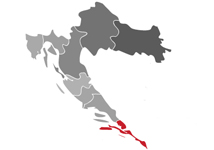
Dubrovnik Region quick overview
- Official area: Dubrovnik-Neretva County, Croatia’s southernmost county
- Main city: Dubrovnik
- Other major destinations: Cavtat, Konavle, Ston, Pelješac, Korčula, Mljet, the Elaphiti Islands and the Neretva Valley
- National park: Mljet National Park
- Best known for: Dubrovnik Old Town, islands, beaches, Pelješac wine, Mali Ston oysters and historic coastal towns
- Best for: first-time Croatia trips, couples, families, island hopping, food and wine, history and road trips
- How long to stay: 3 days for Dubrovnik itself; 5-7 days for Dubrovnik plus nearby islands or Pelješac; 10+ days for a wider regional trip
- Best time to visit: May, June and September offer an excellent balance of warm weather and lighter crowds; see Weather in Dubrovnik for detailed climate information
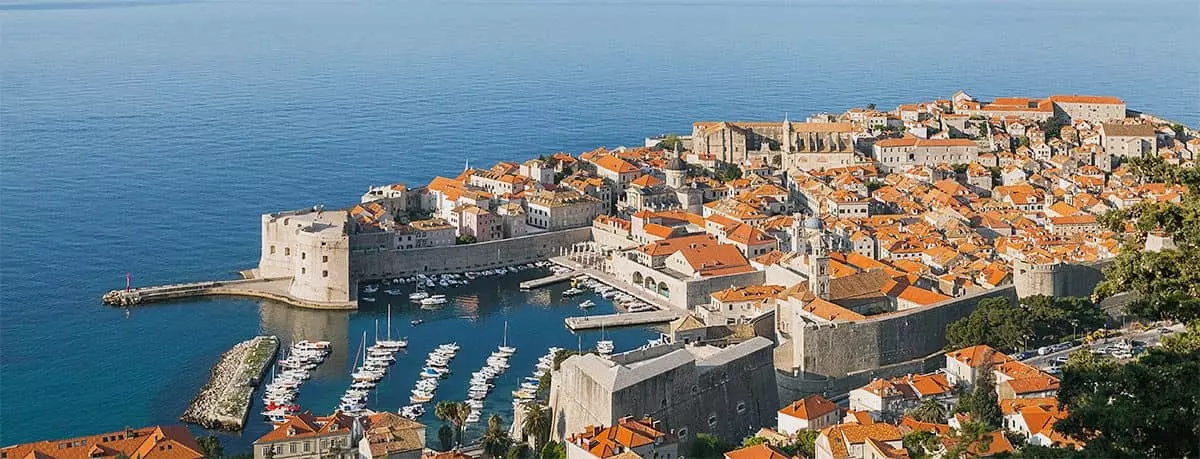
Why visit the Dubrovnik Region?
Dubrovnik is the obvious starting point, but the wider region is worth considerably more than a short city break. Within a few days you can combine the city walls and museums of Dubrovnik with the waterfront of Cavtat, wineries on Pelješac, oysters in Mali Ston, the lakes of Mljet National Park or a historic stay on Korčula.
The region also works particularly well for travelers who prefer to change bases. Dubrovnik and Cavtat make convenient mainland bases, while Pelješac, Korčula, Mljet and the Elaphiti Islands offer very different island and peninsula experiences.
Best places to visit in the Dubrovnik Region
Dubrovnik
The UNESCO-listed Old City of Dubrovnik is the cultural and transport centre of the region. The city walls, Stradun, Rector’s Palace, churches, monasteries and fortifications reflect the history of the former Republic of Dubrovnik.
Dubrovnik is the best base for a first visit, especially if you want museums, restaurants, nightlife and easy access to ferries and organized day trips from Dubrovnik.
Cavtat and Konavle
Cavtat is a smaller seaside town south of Dubrovnik with a harbour promenade, beaches and a more relaxed evening atmosphere. Its proximity to Dubrovnik Airport also makes it a practical first or last stop.
Behind Cavtat lies Konavle, a rural landscape of villages, vineyards, traditional restaurants and agricultural land extending toward the Montenegrin border.
Ston and Mali Ston
Ston stands at the entrance to the Pelješac Peninsula and is known for its monumental defensive walls and centuries-old saltworks.
Nearby Mali Ston is one of southern Croatia’s best-known food destinations, particularly for locally farmed oysters and mussels from Mali Ston Bay.
Pelješac Peninsula
Pelješac is one of Croatia’s strongest road-trip and wine destinations. The peninsula stretches from Ston toward Orebić and includes vineyard landscapes, small coastal settlements, pebble beaches and ferry connections to Korčula.
The region is closely associated with the Plavac Mali grape and the well-known Dingač and Postup wine-growing areas.
Korčula
Korčula is one of the largest and most varied islands in southern Dalmatia. Korčula Town has a compact fortified historic centre, while Lumbarda is known for beaches and Grk wine and Vela Luka forms the main centre at the western end of the island.
If travelling with a car, remember that Dominče is the main vehicle-ferry port near Korčula Town; it is separate from the passenger-ferry stops in the historic-town area.
Mljet
Mljet is one of the greenest islands in the region and is especially attractive for hiking, cycling, swimming and slower island stays.
The western part of the island contains Mljet National Park, including Veliko and Malo Jezero and the small island of St Mary with its historic monastery.
Pomena and Polače are the most useful bases for the national park, while Sobra is the island’s principal vehicle-ferry port.
Elaphiti Islands
The Elaphiti Islands lie immediately northwest of Dubrovnik and are among the easiest islands to visit from the city.
The three main inhabited islands are Koločep, Lopud and Šipan.
Neretva Valley
The Neretva Valley adds a completely different landscape to the northern part of Dubrovnik-Neretva County. Wetlands, river channels, fruit and vegetable fields and low-lying agricultural land contrast strongly with the rocky coastline farther south.
Metković is the main town, while nearby Vid preserves the archaeological remains of ancient Narona. The valley is also known for distinctive local dishes based on river fish, eel and other regional ingredients.
Lastovo
Lastovo is one of the region’s more remote islands and suits travelers looking for nature, traditional island settlements and a quieter stay away from the main Dubrovnik-Korčula-Mljet visitor corridor.
Dubrovnik vs the wider region
| Stay or area | Best for |
|---|---|
| Dubrovnik | Historic sights, restaurants, nightlife, first visits and day trips |
| Cavtat | Quieter seaside stay, beaches and airport convenience |
| Pelješac | Road trips, wine, oysters and beaches |
| Korčula | Historic island town, beaches, wine and longer island stays |
| Mljet | Nature, national park, cycling and swimming |
| Elaphiti Islands | Easy island escapes from Dubrovnik |
| Neretva Valley | Wetlands, archaeology, food and inland exploration |
Elaphiti Islands: Koločep, Lopud and Šipan
Koločep
Koločep, also locally known as Kalamota, is the closest of the main Elaphiti Islands to Dubrovnik. It is best suited to swimming, coastal walking and a quiet island day.
Lopud
Lopud combines a compact harbour settlement with Šunj Beach, one of the best-known sandy beaches in southern Dalmatia.
Šipan
Šipan is the largest of the Elaphiti Islands and offers villages, old summer residences, olive groves and a slower island atmosphere.
Food and wine in the Dubrovnik Region
Food changes noticeably as you travel through the region, from Dubrovnik seafood and Konavle countryside cooking to Pelješac wine, Mali Ston shellfish and the river-based cuisine of the Neretva Valley.
Mali Ston oysters
Mali Ston Bay is particularly famous for oysters and mussels. Ston and Mali Ston are easy stops at the beginning or end of a Pelješac road trip.
Pelješac wine
Pelješac is one of Croatia’s most important red-wine regions. Plavac Mali dominates the peninsula, with Dingač and Postup among its best-known wine-growing areas.
Korčula wine
Korčula is particularly associated with white wines. Pošip is grown in several parts of the island, while Grk is strongly associated with Lumbarda.
Konavle
Konavle offers a more rural food experience, with traditional restaurants, local wines and dishes connected to the agricultural landscape south of Dubrovnik.
Neretva cuisine
The Neretva Valley has its own culinary identity, including dishes based on eel, frogs, river fish and local agricultural produce.
Beaches and swimming
The Dubrovnik Region includes urban beaches, island coves, pebble beaches and a few notable sandy locations.
- Dubrovnik: city beaches and swimming areas around Lapad and the Old Town
- Cavtat: Žal Beach and numerous swimming areas around the peninsula
- Lopud: Šunj Beach
- Pelješac: beaches around Orebić, Žuljana and smaller coastal settlements
- Korčula: beaches around Lumbarda and numerous island coves
- Mljet: sheltered swimming areas around the national park and elsewhere on the island
Where to stay in the Dubrovnik Region
| Base | Best for |
|---|---|
| Dubrovnik | First visits, Old Town sightseeing, restaurants and day trips |
| Lapad | Beaches, easier access and a quieter city stay |
| Cavtat | Quiet seaside base and Dubrovnik Airport access |
| Ston | Short Pelješac stop, walls, oysters and road trips |
| Orebić | Pelješac beaches and easy vehicle-ferry access to Korčula |
| Korčula Town | Historic island atmosphere and passenger-ferry connections |
| Pomena / Polače | Mljet National Park |
| Lopud | Quiet island stay and Šunj Beach |
| Metković / Neretva | Wetlands, archaeology and inland exploration |
For Dubrovnik itself, browse hotels and apartments in Dubrovnik or the best hostels in Dubrovnik.
When to visit the Dubrovnik Region
April and May
Excellent for sightseeing, walking and road trips. The region is greener and less crowded, although some seasonal ferry and tourism services operate less frequently early in spring.
June
One of the best all-round months for swimming, sightseeing and island hopping before the busiest summer period.
July and August
The hottest and busiest months, with the widest range of boat trips and seasonal services. Expect higher accommodation prices and heavier crowds in Dubrovnik.
September
Excellent for swimming, wine-focused trips and island travel, with generally fewer visitors than in July and August.
October
Good for Dubrovnik, Cavtat, Pelješac and road trips, while some island and seasonal services begin reducing frequency later in the month.
Winter
Dubrovnik and Cavtat can still work well for cultural trips, but island accommodation, restaurants and ferry services are more limited than in the main season.
For detailed averages and seasonal conditions, see Weather in Dubrovnik.
How to get to and around the Dubrovnik Region
By plane
Most international visitors arrive through Dubrovnik Airport near Čilipi, south of the city. The Dubrovnik Airport shuttle, local transport, taxis and private transfers connect the airport with Dubrovnik and Cavtat.
By car
A car is particularly useful for Konavle, Ston, Pelješac and the Neretva Valley. The normal northbound road route now uses the Pelješac Bridge, allowing travel between Dubrovnik and the rest of Croatia without transiting Bosnia and Herzegovina through the old Neum corridor.
For wider road-trip planning, see Croatian motorways.
By passenger ferry and catamaran
Dubrovnik’s Gruž port has passenger services to the Elaphiti Islands and seasonal or year-round connections toward Mljet, Korčula and other Dalmatian destinations.
See our Dubrovnik ferry guide and Dubrovnik Ferry Port guide.
By vehicle ferry
If travelling with a car, the key regional ferry routes are different from Dubrovnik’s passenger catamarans:
- Orebić-Dominče: the main short vehicle-ferry link between Pelješac and Korčula
- Prapratno-Sobra: the main vehicle-ferry connection from Pelješac to Mljet
- Ploče-Trpanj: useful for reaching the western side of Pelješac from the mainland
By bus
Dubrovnik is the main regional bus hub. Local and intercity services connect the city with Cavtat and other destinations, while organized day trips from Dubrovnik are useful for travelers who do not want to drive.
Top things to do in the Dubrovnik Region
- Explore Dubrovnik Old Town. Walk the walls, visit the historic centre and see more ideas in our Dubrovnik attractions guide.
- Spend a day on an Elaphiti island. Choose Koločep for walking and swimming, Lopud for Šunj Beach or Šipan for a slower rural-island atmosphere.
- Explore Mljet National Park. Walk or cycle around the lakes and visit the small island of St Mary.
- Drive Pelješac. Combine Ston and Mali Ston with wineries, beaches and a night around Orebić or another peninsula settlement.
- Visit Korčula. Explore Korčula Town and add Lumbarda, beaches or local wine if staying overnight.
- Spend time in Cavtat and Konavle. Combine the waterfront with rural southern Croatia.
- Discover the Neretva Valley. Explore wetlands, local food and the archaeological heritage around Vid.
How many days do you need in the Dubrovnik Region?
3 days
Enough for Dubrovnik Old Town plus one nearby excursion such as Lokrum, Cavtat or an Elaphiti island.
5 days
Combine Dubrovnik with Cavtat/Konavle and Ston or Pelješac.
7 days
Add either Korčula or Mljet for a more complete city-and-island trip.
10-14 days
Enough time to combine Dubrovnik, Pelješac, Korčula, Mljet and one or more quieter regional stops without rushing.
Practical tips
- Book early in July and August: accommodation, popular island routes and major tours can fill up quickly.
- Do not rent a car just for Dubrovnik Old Town: parking and access are much easier if you collect a car only when starting a regional road trip.
- Check the exact ferry port: Korčula Town and Dominče are different ports, while Sobra is separate from the Mljet National Park bases of Pomena and Polače.
- Allow more time for cross-border day trips: Montenegro and Bosnia and Herzegovina require border formalities and summer queues can be unpredictable.
- Check seasonal schedules: island ferry and boat frequencies vary considerably through the year.
Dubrovnik Region FAQ
What is included in the Dubrovnik Region?
The Dubrovnik Region broadly corresponds to Dubrovnik-Neretva County and includes Dubrovnik, Cavtat and Konavle, Pelješac, Korčula, Mljet, Lastovo, the Elaphiti Islands and the Neretva Valley.
Is the Dubrovnik Region worth exploring beyond Dubrovnik?
Yes. Pelješac, Korčula, Mljet, Cavtat, the Elaphiti Islands and the Neretva Valley offer very different experiences and can easily turn a Dubrovnik city break into a longer regional trip.
How many days do you need?
Three days is enough for Dubrovnik and one nearby excursion. Five to seven days allows you to add Pelješac, Cavtat or an island, while 10 days or more works well for a broader regional itinerary.
Dubrovnik or Cavtat?
Choose Dubrovnik for historic sights, nightlife and maximum transport connections. Choose Cavtat for a quieter seaside atmosphere, easier airport access and a smaller-town setting.
Korčula or Mljet?
Choose Korčula for a historic island town, wine, restaurants and a broader range of settlements. Choose Mljet for nature, hiking, cycling, swimming and the national park.
Do I need a car?
Not for Dubrovnik or most island trips. A car becomes very useful for Konavle, Pelješac, the Neretva Valley and a wider Croatian road trip.
Can I drive from Dubrovnik toward Split without crossing Bosnia and Herzegovina?
Yes. The standard route uses the Pelješac Bridge and remains within Croatia.
What is the best base for Pelješac?
Ston is convenient for a short visit near the peninsula entrance, while Orebić works better for a longer stay, beaches and vehicle-ferry access to Korčula.
Can I visit the Elaphiti Islands as a day trip?
Yes. Koločep, Lopud and Šipan are connected with Dubrovnik by public ferry services, and numerous excursion boats also visit the islands.
What food is the Dubrovnik Region known for?
The region is particularly known for Mali Ston oysters and mussels, Pelješac wines such as Dingač and Postup, Korčula wines including Pošip and Grk, Dubrovnik seafood, Konavle cuisine and distinctive dishes from the Neretva Valley.