
Travel Magazine
Informative, upbeat and inspirational articles for people travelling to Croatia. Travel advice, helpful tips and fresh information to inspire you.
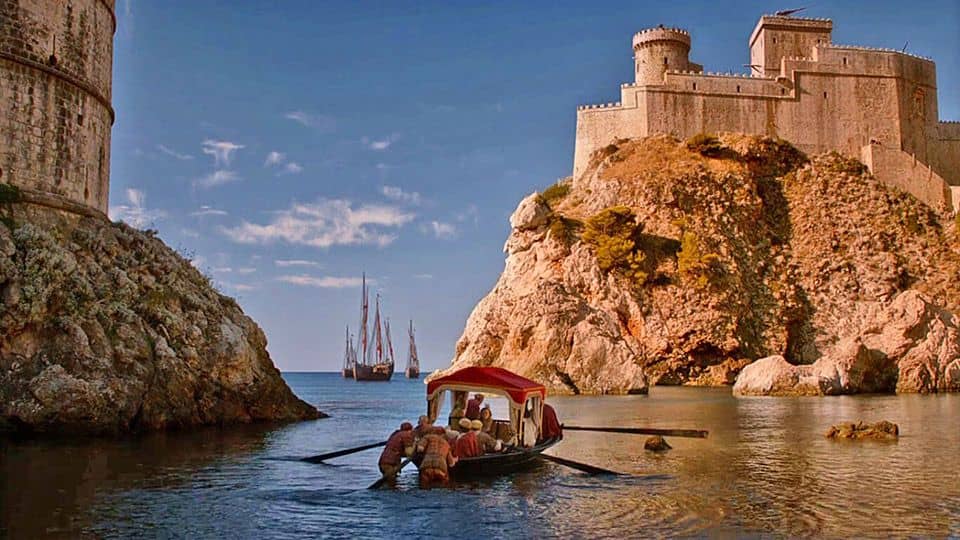
Dubrovnik, Croatia, is the real-world setting for most of the Game of Thrones exterior scenes in King’s Landing, the capital of the Seven Kingdoms. The Old Town delivers the iconic shots in a small, walkable area, Pile gate (Blackwater Bay), the City Walls with Minčeta Tower (House of the Undying), and Fort Lovrijenac (the Red Keep), with the Jesuit Staircase as the unmistakable backdrop for Cersei’s "Walk of Shame".
In this guide we show you the fastest way to see the best Game of Thrones filming locations in Dubrovnik without wasting time backtracking. Most stops are reachable on foot from the Old Town entrances (Pile and Ploče Gates), and you can choose between a self-guided Dubrovnik Game of Thrones walking tour (map + best order) or a guided tour if you want scene breakdowns and exact filming angles.
- Details
- Written by: Orsat Munitić
Read more: Dubrovnik Game of Thrones filming locations: King's Landing
Dubrovnik is unique, so there is no perfect substitute. But if what you love is a historic stone town beside the Adriatic, with old streets, sea views, fortifications and good food, Croatia has several destinations that deliver parts of the same experience on a different scale.
Korčula Town is the closest overall visual alternative, Cavtat is the easiest quieter base near Dubrovnik, Šibenik is the strongest alternative for medieval streets and fortresses, and Rovinj is the best choice if what you want is romantic old-town atmosphere rather than Dubrovnik-style walls.
- Details
- Written by: Orsat Munitić
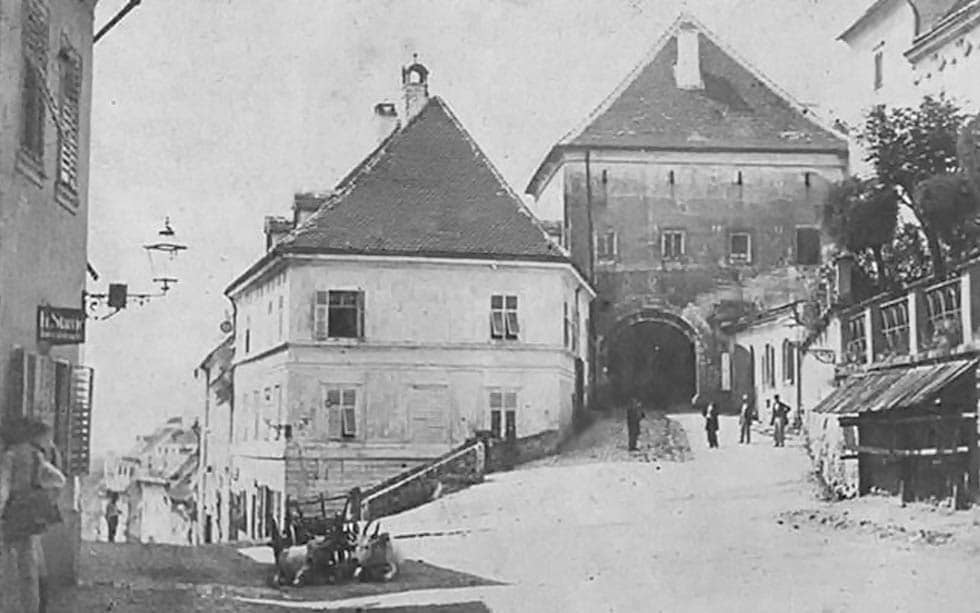
The legend of the Stone Gate is one of Zagreb's best-known stories, centred on the miraculous image of the Virgin Mary and Child that survived the great fire of 1731. The image is still venerated at the Stone Gate, one of the most distinctive landmarks in Zagreb's historic Upper Town.
The historical core of the story is documented: a contemporary chronicler recorded that the image was found undamaged after the fire and that a pious widow associated with the Modlar name had an altar erected beneath the gate. Around these events grew the much richer legend of Widow Modlar, a mysterious Christmas visitor, answered prayers and a painting believed to protect the city.
- Details
- Written by: Orsat Munitić
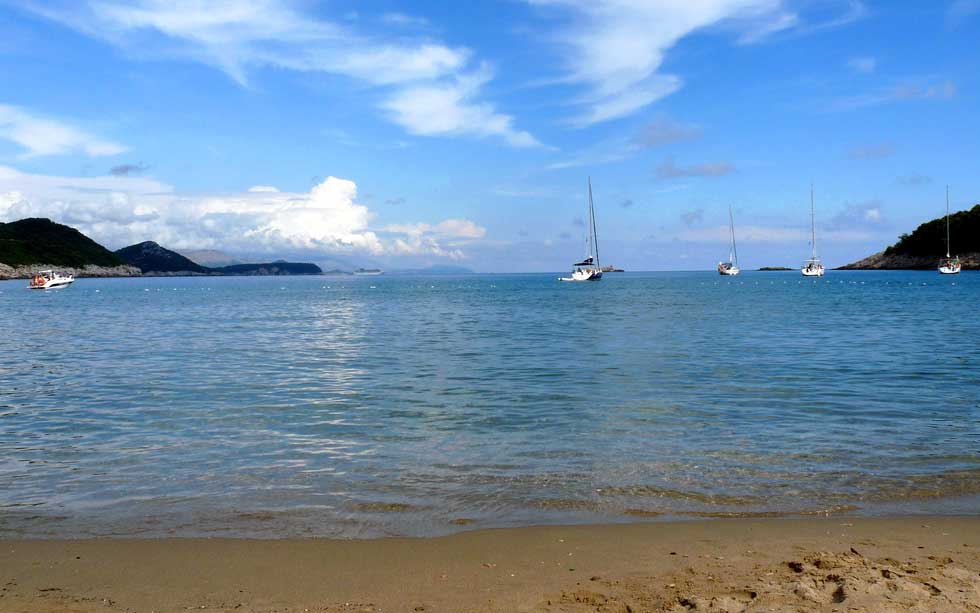
Most beaches in Dubrovnik are pebble, rock or concrete, so travellers looking for real sand need to look a little farther afield. The best true sandy beaches near Dubrovnik are Šunj on Lopud Island and the Saplunara and Blace beaches on Mljet, while several other nearby beaches combine pebbles with sandy shallows or sections of sand.
- Details
- Written by: Orsat Munitić
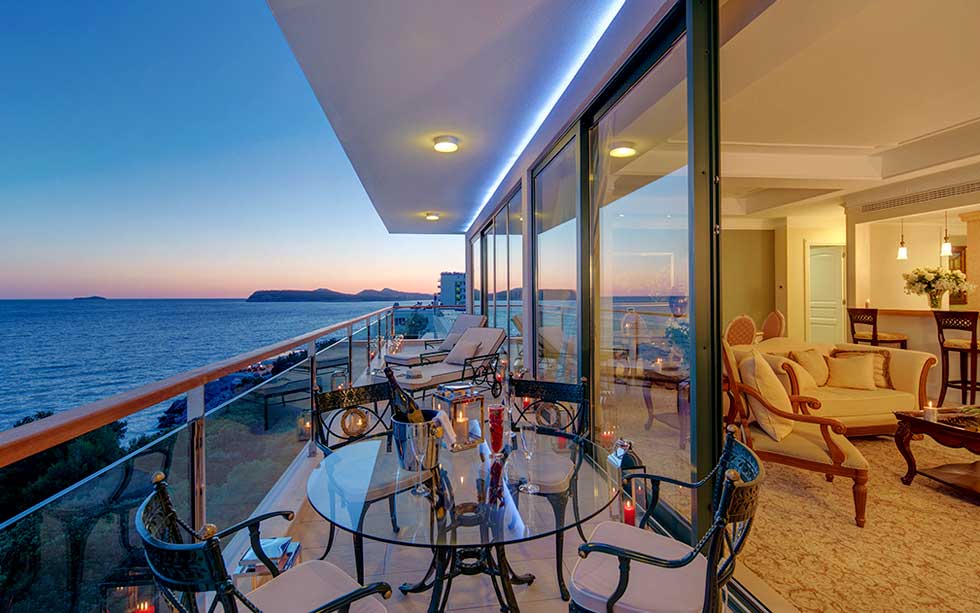
The best hotels in Croatia range from historic city landmarks and small boutique hotels to Adriatic beach resorts and family-focused properties. The right choice depends less on a nationwide hotel ranking and more on where you plan to stay, what kind of trip you are taking and how much time you want to spend sightseeing versus relaxing by the sea.
Our selection below focuses on hotels that offer a clear reason to choose them, organised by destination and travel style. If you are still deciding where in the country to base yourself, start with our Croatia destinations guide; if you want apartments, hostels and other types of stays as well, see our guide to finding accommodation in Croatia.
Some hotel links on this page are affiliate links. If you make a booking through one of these links, we may earn a commission at no additional cost to you.
- Details
- Written by: Orsat Munitić
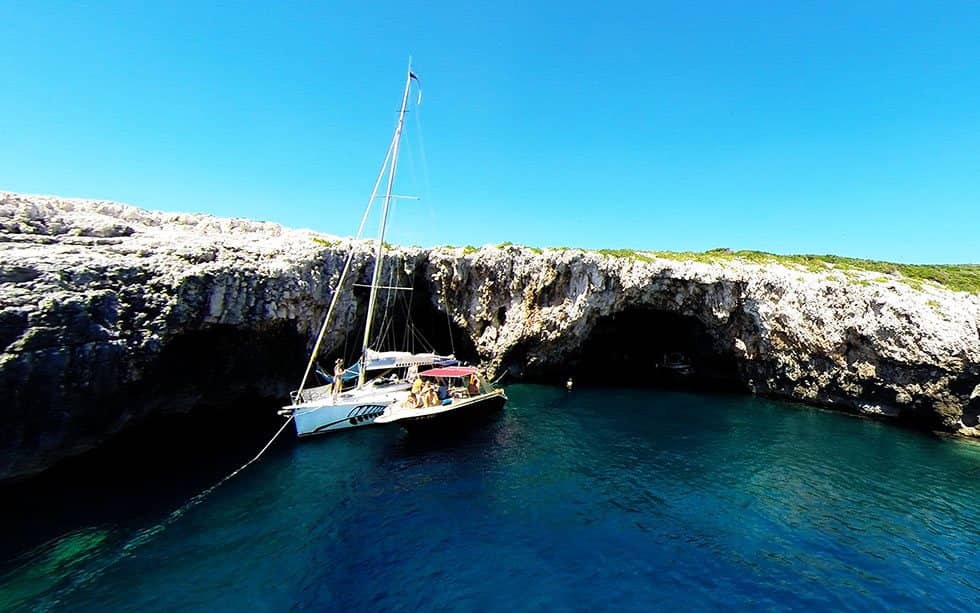
Sailing in Croatia combines short island-to-island passages, historic coastal towns, sheltered bays and one of the Mediterranean's largest yacht-charter markets. From Istria and the Kornati archipelago to Hvar, Vis, Korčula, Mljet and the Elaphiti Islands, there are routes for experienced bareboat crews as well as travelers who would rather hire a skipper or book a fully crewed yacht.
The best sailing area depends on your experience, the time of year and what you want from the trip. Central Dalmatia offers the classic first-time island-hopping experience, Zadar and Šibenik are excellent for dense archipelagos and protected areas, while Dubrovnik is a strong starting point for quieter routes through southern Dalmatia.
- Details
- Written by: Orsat Munitić
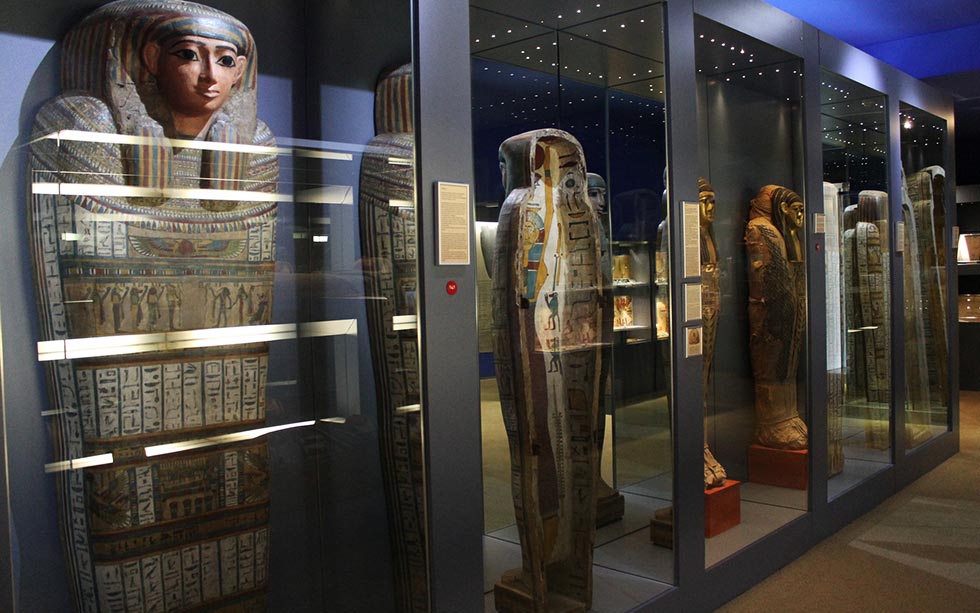
Today, the Zagreb Mummy and the Linen Book of Zagreb are among the best-known objects associated with the Egyptian collection of Zagreb's Archaeological Museum. Scientific examination indicates that the mummy is the body of a woman who died between the ages of approximately 30 and 40.
- Details
- Written by: Orsat Munitić
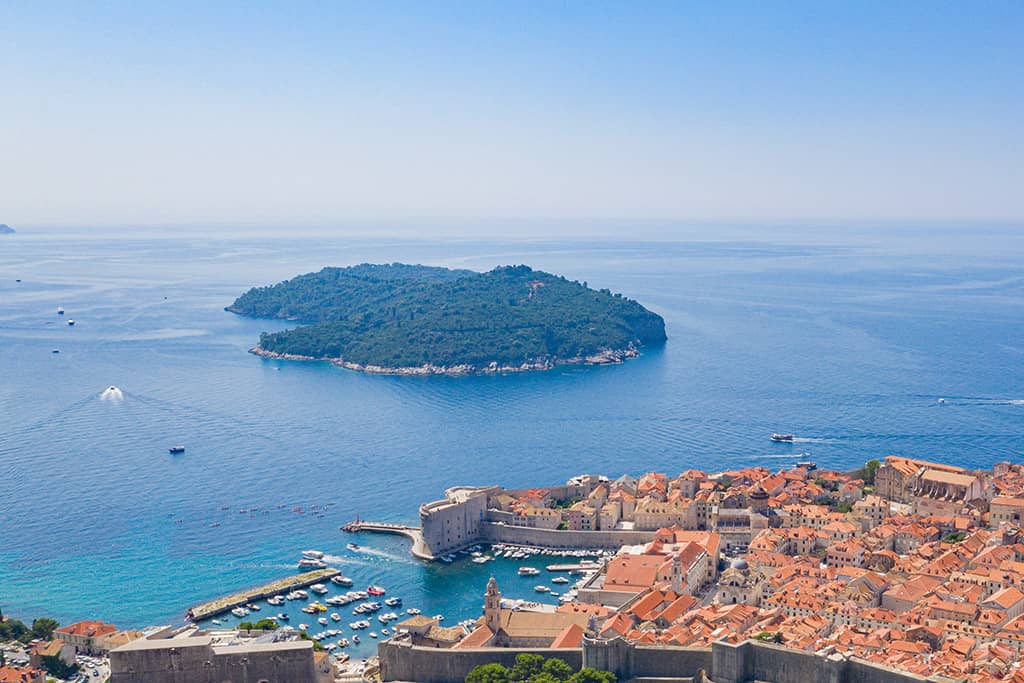
The legend of Lokrum Island says that Benedictine monks placed a curse on Lokrum when they were forced to leave their monastery at the end of the 18th century. According to the story, the monks walked around the island at night carrying candles upside down and condemned anyone who tried to possess Lokrum for personal pleasure.
What turned the Lokrum curse into one of Dubrovnik's best-known legends was what happened afterwards. A series of genuine tragedies became associated with later owners and members of the Habsburg dynasty, including Emperor Maximilian of Mexico, Crown Prince Rudolf and Empress Elisabeth of Austria. The deaths are historical; their connection to the monks' curse belongs to folklore.
- Details
- Written by: Orsat Munitić
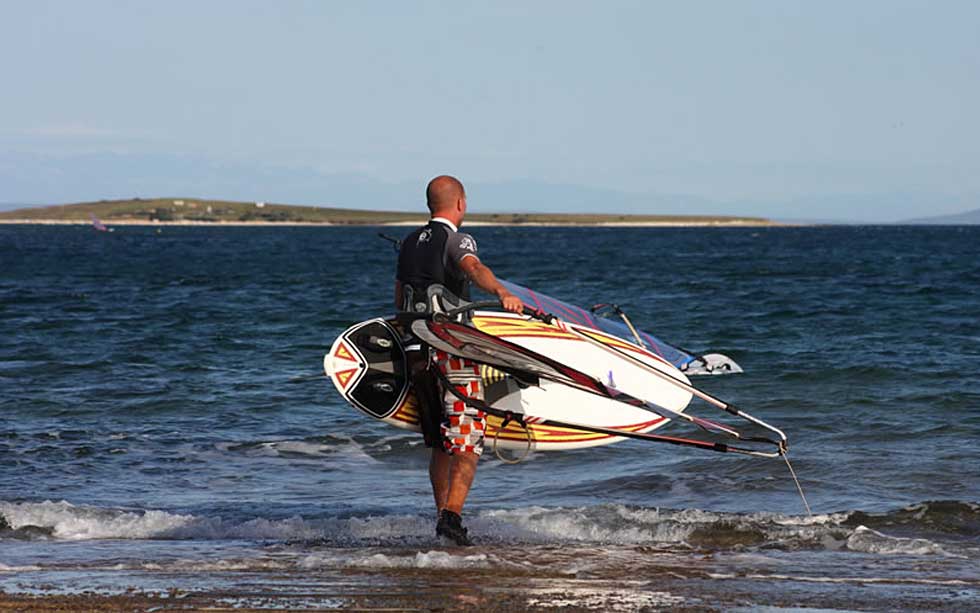
Croatia is one of the Adriatic's most appealing windsurfing destinations, with reliable summer thermal winds in some areas, stronger local wind systems in others, and a long coastline that gives riders very different spot styles to choose from. From the Pelješac channel and the Brač-Hvar channel to beginner-friendly lagoons and more exposed northern bays, windsurfing in Croatia suits everyone from first-time learners to experienced sailors planning a wind-based trip.
- Details
- Written by: Orsat Munitić
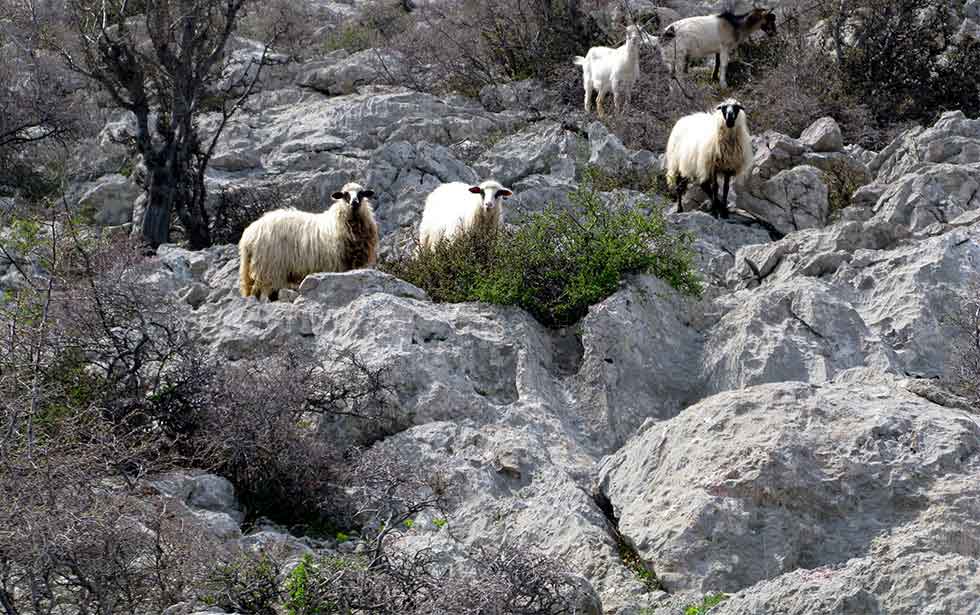
Karst is one of the defining features of Croatia's landscape. Across the Dinaric mountains, Dalmatian hinterland, islands and parts of Istria, water has slowly dissolved limestone and dolomite to create caves, sinkholes, deep pits, underground rivers and springs that can appear suddenly from seemingly dry rock.
- Details
- Written by: Orsat Munitić
Every winter, museums, galleries and cultural institutions across Croatia stay open late for Noć muzeja, or Museum Night. The annual event is normally held on the last Friday in January and combines free admission with exhibitions, guided tours, workshops, lectures, performances and programmes created especially for the evening.
Museum Night began in Zagreb in 2005 and has grown into one of Croatia's largest cultural events. It is particularly worthwhile for travellers visiting in winter, when hundreds of museums and heritage institutions across the country take part.
- Details
- Written by: Orsat Munitić
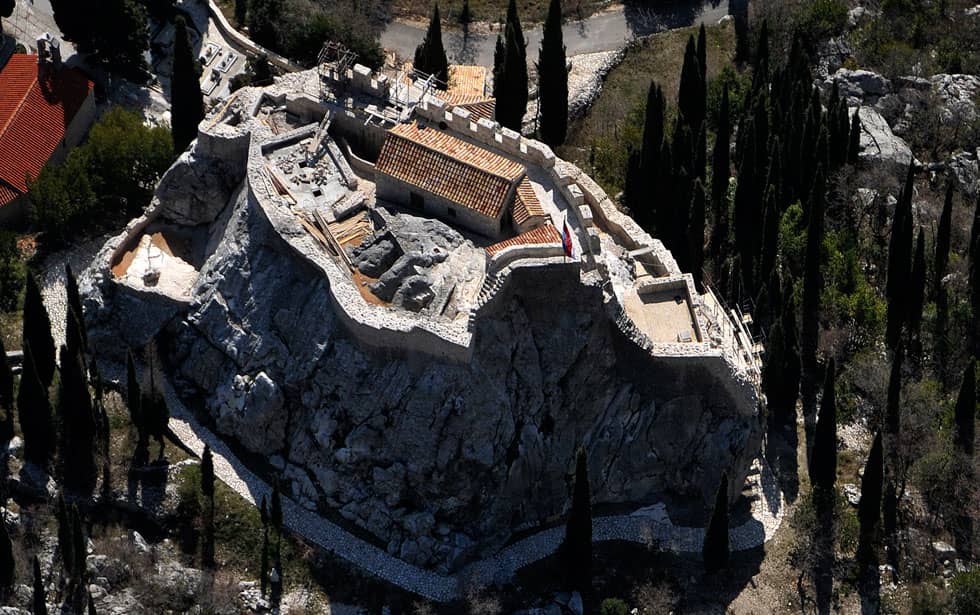
The reconstruction of this magnificent defensive tower took years and required a lot of work, money and patience. Finally, in full glory, it once again opened its doors.
- Details
- Written by: Orsat Munitić
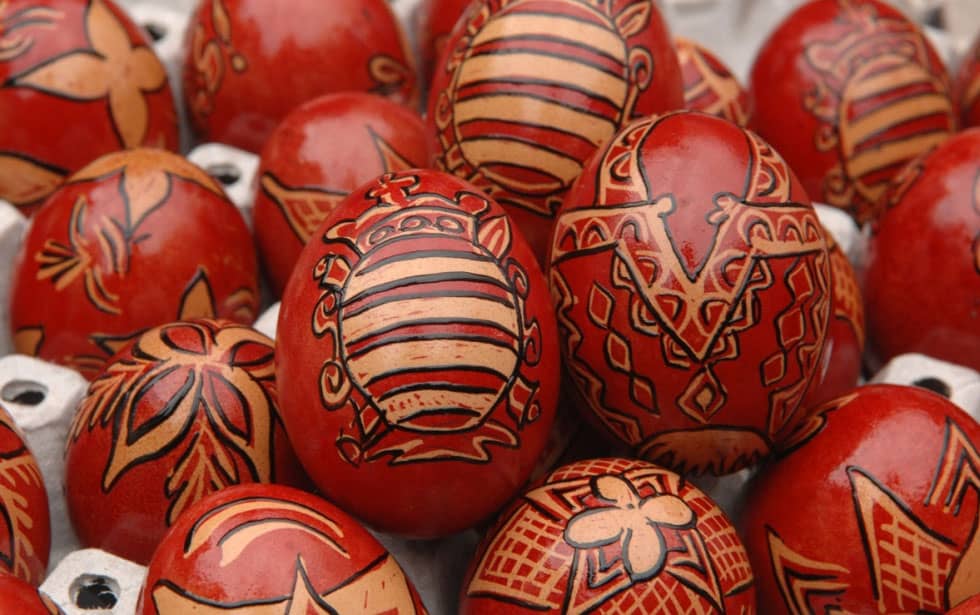
Easter in Croatia combines Christian Holy Week traditions with regional customs that vary considerably from the Adriatic coast to continental Croatia. Decorated Easter eggs, blessed food and Palm Sunday greenery are found across the country, but Dubrovnik's woven palm branches, Dalmatian sirnica, Istrian pinca and the Easter fires of northern Croatia give each region its own character.
- Details
- Written by: Orsat Munitić