
Zagreb, Croatia’s capital, is the natural gateway to Central Croatia, a region of Baroque towns, hilltop castles, vineyards, thermal spas, forested mountains and historic villages.
Within an hour or two of the city you can explore Samobor, the wine hills of Plešivica, Hrvatsko Zagorje, Krapina, Trakošćan Castle, Varaždin, Marija Bistrica and the trails of Medvednica. It is one of the easiest parts of Croatia to combine with a city break while seeing a completely different landscape from the Adriatic coast.
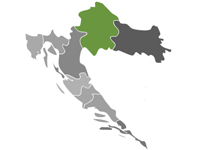
Zagreb & Central Croatia quick overview
- Main city: Zagreb
- Best-known towns: Samobor, Krapina and Varaždin
- Major castle destinations: Trakošćan and Veliki Tabor
- Wine country: Plešivica and other vineyard areas around Zagreb
- Thermal-spa region: Hrvatsko Zagorje
- Nature: Medvednica, Sljeme and Žumberak
- Best for: castles, food and wine, spas, history, hiking and year-round city breaks
- How long to stay: 2-3 days for Zagreb; 4-7 days to combine the capital with several Central Croatia destinations
- Best time to visit: spring and autumn for countryside trips; December for Advent in Zagreb
For a broader overview of the country, including the Adriatic coast and islands, see our Croatia Travel Guide.
Why visit Zagreb & Central Croatia?
Central Croatia offers a very different travel experience from Dalmatia or Istria. Instead of islands and stone coastal towns, the landscape is dominated by green hills, forests, vineyards, castles, thermal springs and historic towns influenced strongly by Central European architecture and culture.
Zagreb makes an excellent base because many of the region’s best destinations can be reached on individual day trips. A longer itinerary, however, becomes more rewarding if you spend a night in Zagorje, Varaždin or wine country rather than returning to the capital every evening.
Best places to visit in Central Croatia
Zagreb
Croatia’s capital is the region’s cultural and transport hub. The Upper Town preserves the historic core, while the Lower Town is known for parks, museums, Austro-Hungarian architecture, markets and café culture.
Use the dedicated Zagreb attractions guide for detailed sightseeing, along with Zagreb travel information and day trips from Zagreb.
Samobor
Samobor is one of the easiest small-town escapes from Zagreb. Its compact centre has colourful historic houses, cafés and restaurants, while the ruins of Samobor’s old castle rise above the town.
The best-known local speciality is Samoborska kremšnita, a custard-and-cream cake traditionally associated with the town.
Plešivica wine country
The vineyard-covered hills around Plešivica and Jastrebarsko form one of the most important wine areas close to Zagreb.
Plešivica is especially associated with sparkling wines as well as varieties such as Pinot Noir, Chardonnay and Riesling. It works well as a self-drive wine-country excursion or relaxed overnight stay.
Hrvatsko Zagorje
Hrvatsko Zagorje is the hilly region north of Zagreb, known for castles, traditional villages, vineyards, thermal spas and prehistoric heritage.
Rather than treating Zagorje as a single attraction, plan it as a collection of short stops that can be combined into one or two days.
Krapina
Krapina is best known for one of Europe’s important Neanderthal archaeological sites and the modern Krapina Neanderthal Museum, which interprets prehistoric human life and the discoveries made in the surrounding area.
Trakošćan Castle
Trakošćan is one of Croatia’s most recognizable castles, positioned above a lake and surrounded by wooded parkland.
The furnished interiors, museum collection and walking paths around the lake make it one of the easiest castle visits to combine with Varaždin or other Zagorje destinations.
Varaždin
Varaždin has one of Croatia’s strongest concentrations of Baroque civic and religious architecture. Its historic centre contains palaces, churches, pedestrian streets and the distinctive Old Town fortress.
The city makes a good independent day trip from Zagreb but is also commonly combined with Trakošćan.
Veliki Tabor
Veliki Tabor is a fortified hilltop castle in Hrvatsko Zagorje and one of the region’s strongest medieval and Renaissance heritage sites.
Its rural setting makes it a useful addition to a wider Zagorje road trip rather than a standalone destination for most visitors.
Kumrovec
Kumrovec is known for the Staro Selo open-air museum, which preserves examples of traditional Zagorje village architecture and rural life.
Marija Bistrica
Marija Bistrica is one of Croatia’s principal pilgrimage centres and an important destination for religious and cultural tourism in Zagorje.
Medvednica and Sljeme
Medvednica Nature Park rises immediately north of Zagreb and provides one of the easiest nature escapes from a European capital.
The upper mountain area around Sljeme is popular for hiking, mountain lodges and seasonal recreation, while the lower slopes contain forests, historic routes and attractions such as Medvedgrad.
Medvedgrad
Medvedgrad is a medieval fortress on the southern slopes of Medvednica overlooking Zagreb. It combines historic architecture with wide views over the city and the surrounding lowlands.
Medvednica is particularly useful if you want to add outdoor time to a Zagreb stay without committing to a full countryside road trip.
Žumberak
The Žumberak hills west of Zagreb offer forests, hiking trails, small villages and quiet rural landscapes.
Žumberak works best for travelers who already have a car and want a less-developed outdoor destination than the more accessible Medvednica area.
Castles of Central Croatia
Castles are one of the defining attractions of inland northern Croatia.
- Trakošćan: furnished castle, lake and parkland
- Veliki Tabor: fortified hilltop castle in Zagorje
- Varaždin Old Town: fortress at the edge of the historic city centre
- Oršić Castle: Baroque manor associated with the Croatian Peasant Revolt museum at Gornja Stubica
- Medvedgrad: medieval fortress above Zagreb
If castles are your main interest, having a car makes it much easier to combine several sites in one day.
Thermal spas and wellness
Hrvatsko Zagorje has one of Croatia’s strongest concentrations of thermal springs and spa resorts.
Major wellness destinations include Tuheljske Toplice, Krapinske Toplice, Stubičke Toplice and Terme Jezerčica. Facilities range from swimming pools and family water attractions to rehabilitation and wellness services.
Opening hours, day tickets and individual spa facilities change, so check current information with the resort before travelling.
Wine regions near Zagreb
Plešivica
Plešivica is the strongest wine destination close to Zagreb and is particularly well known for sparkling wines. The vineyard landscape also makes it attractive for food-focused weekends and scenic drives.
Zelina
The area around Sveti Ivan Zelina forms another traditional wine-growing landscape northeast of Zagreb, with local wineries and wine-road tourism.
For a wider overview of Croatian wine regions and grape varieties, see Croatian wines.
Food in Zagreb and Central Croatia
Central Croatian food reflects a cooler continental climate and differs noticeably from the seafood-focused cuisine of the coast.
- Štrukli: pastry filled with fresh cheese and served baked or cooked
- Turkey with mlinci: classic festive dish of roast turkey with thin baked flatbread pieces
- Samoborska kremšnita: custard cream cake associated with Samobor
- Soups and stews: common throughout Zagorje and rural Central Croatia
- Cured meats and sausages: widely found in traditional inland restaurants
- Local cheeses: frequently served with regional wines
- Plešivica wines: particularly sparkling wines and cool-climate varieties
For restaurants in the capital, see restaurants in Zagreb. For broader Croatian food coverage, explore Delicious Croatia.
Where to stay in Zagreb & Central Croatia
| Base | Best for |
|---|---|
| Zagreb | First visits, museums, restaurants, public transport and day trips |
| Samobor | Small-town atmosphere and Žumberak access |
| Plešivica | Wine weekends and countryside stays |
| Zagorje | Castles, thermal spas and rural road trips |
| Varaždin | Baroque city break and northern Croatia touring |
| Marija Bistrica | Pilgrimage travel and central Zagorje location |
For accommodation in the capital, see our guide to hotels in Zagreb.
When to visit Central Croatia
April and May
Excellent for castles, gardens, Medvednica, Samobor and countryside trips. Temperatures are generally comfortable and the landscape is green.
June
A strong month for outdoor sightseeing, wine-country drives and long days without the peak summer heat.
July and August
Zagreb can become hot, while the surrounding hills, spas and forests offer useful escapes from the city. Summer festivals also bring additional activity to Zagreb and Varaždin.
September and October
One of the best periods for Central Croatia, particularly for vineyards, harvest season, autumn foliage and castle road trips.
Late November and December
Advent in Zagreb makes the capital especially popular, while thermal spas and countryside stays combine well with a winter city break.
January to March
This is the quietest period for many countryside attractions. Snow and winter conditions are possible in the hills, while Zagreb itself remains a year-round cultural destination.
How to get to Central Croatia
By plane
Zagreb Airport is the main international gateway to the region.
The airport shuttle bus, taxis and other transport connect the airport with the city.
By bus
Zagreb is Croatia’s main intercity bus hub, with connections throughout the country and to neighbouring countries. See Zagreb by bus.
By train
Zagreb is also the centre of Croatia’s passenger rail network. See trains to and from Zagreb.
Getting around Central Croatia
Without a car
Many major destinations can be visited individually using public transport. Samobor, Varaždin and Krapina are among the easier options for independent day trips from Zagreb, while organised tours cover popular combinations such as Varaždin and Trakošćan.
With a car
A car becomes particularly useful for:
- combining Trakošćan and Varaždin
- touring several Zagorje castles in one day
- visiting thermal resorts
- exploring Plešivica wineries
- driving through Žumberak
- reaching smaller rural attractions
Within Zagreb
Inside the capital, Zagreb trams and city buses are usually more practical than driving for central sightseeing.
How many days do you need in Zagreb & Central Croatia?
2 days
Focus on Zagreb itself, including the Upper Town, Lower Town, museums, markets and café culture.
3-4 days
Add one or two easy regional trips such as Samobor, Trakošćan, Varaždin or Krapina.
5 days
Combine Zagreb with a castle-focused day and either Plešivica, Samobor or a thermal-spa stay.
7 days
A week allows a much fuller Central Croatia itinerary with Zagreb, Zagorje, Varaždin, wine country, Medvednica and a slower countryside overnight.
Further afield: Lonjsko Polje
If you have more time and a car, Lonjsko Polje Nature Park southeast of Zagreb offers wetlands, birdlife, traditional wooden Posavina architecture and villages such as Čigoč and Krapje.
It is better treated as a longer countryside excursion than as one of the core Zagreb day trips.
Zagreb & Central Croatia FAQ
Is Zagreb and Central Croatia worth visiting?
Yes. Zagreb offers museums, architecture and café culture, while the surrounding region adds castles, vineyards, thermal spas, historic towns and outdoor destinations that are very different from coastal Croatia.
How many days do you need?
Two to three days is enough for Zagreb itself. Four to seven days is better if you want to include castles, Zagorje, Varaždin, Samobor or wine country.
Zagreb or Varaždin?
Choose Zagreb for the widest range of museums, restaurants, nightlife and transport. Varaždin is better for a smaller historic-city experience focused on Baroque architecture and relaxed walking.
Is Trakošćan Castle worth visiting?
Yes. Trakošćan combines furnished historic interiors, a highly scenic location and walking paths around its lake, and it can easily be paired with Varaždin.
Can you explore Central Croatia without a car?
Yes, especially for individual trips to places such as Samobor, Varaždin or Krapina. A car is much more useful for linking castles, wineries, thermal spas and small rural destinations in one itinerary.
What is the best castle near Zagreb?
Trakošćan is the most famous and easiest choice for many visitors, while Veliki Tabor and Medvedgrad offer very different castle experiences.
What is the best wine region near Zagreb?
Plešivica is one of the strongest wine destinations close to Zagreb and is especially known for sparkling wines and cool-climate grape varieties.
Where are the best thermal spas near Zagreb?
Hrvatsko Zagorje has several major spa destinations, including Tuheljske Toplice, Krapinske Toplice, Stubičke Toplice and Terme Jezerčica.
What is Hrvatsko Zagorje?
Hrvatsko Zagorje is the hilly region north of Zagreb known for castles, vineyards, traditional villages, thermal spas, pilgrimage sites and the Krapina Neanderthal heritage.
What can you do on Medvednica?
Medvednica offers hiking, mountain lodges, forest walks, viewpoints, Medvedgrad and seasonal recreation around the Sljeme summit area.