
Mljet Island Travel Guide: National Park, Ferries, Beaches & Where to Stay
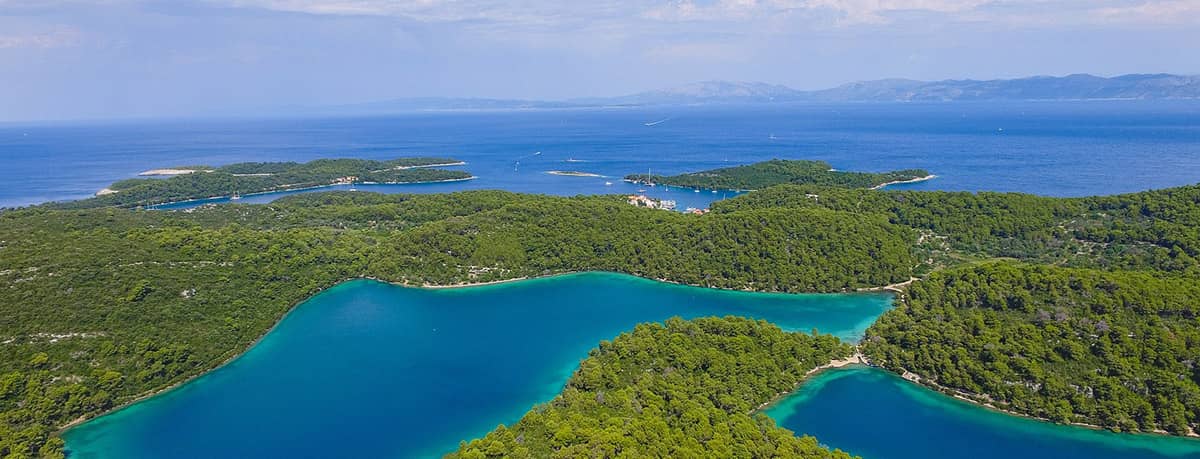
Mljet is one of Croatia’s greenest and quietest islands, best known for the saltwater lakes of Mljet National Park and the tiny St Mary Islet with its historic monastery. If you’re choosing between a day trip from Dubrovnik or a few slow nights on the island, this guide helps you plan the essentials: how to arrive (and which port to use), where to base yourself, what to see inside and outside the park, and how to build a realistic itinerary.
Most visitors come for the National Park’s lakes, cycling paths and easy swims, then add one "outside-the-park" highlight like Odysseus Cave near Babino Polje or the rare sandy bays of Saplunara in the east. Below you’ll find quick decisions first (how long to stay and where to base), followed by transport, top things to do, park ticket tips, beaches, and ready-to-use itineraries.
Quick facts: Island Mljet
- What Mljet is best known for: Mljet National Park on the western side of the island, with two saltwater lakes (Veliko Jezero and Malo Jezero) and the St Mary Islet monastery boat ride included with park entry.
- Size: about 37 km long, roughly 3 km wide on average, with a total area of around 100 km².
- Closest "mainland gateway": Mljet lies opposite the Pelješac Peninsula across the Mljet Channel (useful if you’re arriving by car ferry).
- Main settlements to know: Babino Polje (largest inland village), Sobra (car-ferry port), Pomena and Polače (best for National Park access), Saplunara (beach base).
- Ports on Mljet: Sobra, Polače and Pomena. For the National Park, arriving to Pomena or Polače is usually the most convenient.
- Car access: the main car-ferry route connects Prapratno (Pelješac) and Sobra (Mljet), with a typical crossing time of about 45 minutes.
- National Park basics: the park’s protected area dates to 1960 (with the sea area added later), making it one of Croatia’s long-established national parks.
- Best time to visit: late spring to early autumn for swimming and frequent passenger lines; shoulder season (April/May and September/October) is often calmer while still warm enough for outdoor time.
- Best sandy beach: Saplunara (rare sandy bays for Croatia’s mostly-pebble coastline).
Is Mljet right for your trip?
Mljet is the island you choose when you want nature first: pine forests, calm bays, and the signature experience of Mljet National Park with its two saltwater lakes and the St Mary Islet visit. It’s one of the most peaceful islands in South Dalmatia, and the park area in the northwest is the main reason first-time visitors put Mljet on their shortlist.
The trade-off is that Mljet is intentionally low-key. Even in summer, evenings tend to be about a relaxed dinner in a konoba (rustic restaurant) and an early start for swimming, cycling, or hiking the next day. If you’re chasing nightlife, Mljet usually isn’t the best match, but if you want quiet, scenery, and water time, it’s a top-tier choice.
Choose Mljet if you want:
- National Park scenery that’s easy to enjoy (lakes, forest trails, viewpoints, and the St Mary Islet visit).
- A slower island pace with plenty of tranquil spots even in peak season.
- Swimming + cycling + light hiking as your “main activities” rather than museums and city sightseeing.
- A mix of iconic and off-the-path: do the lakes, then add Odysseus Cave or Saplunara’s sandy bays.
Mljet may not be ideal if you:
- Want nightlife and lots of evening options (Mljet is more “quiet dinners” than “party nights”).
- Need a packed sightseeing checklist (this is a nature-and-water destination, not a monument-hopping island).
- Prefer zero planning for transport (choosing the right ferry and the right port matters for your itinerary).
Day trip vs overnight: what to expect
Day trip: Mljet can work as a day trip, especially if you arrive close to the National Park and focus on the lakes + St Mary Islet. The key is to plan around sailing times and avoid over-stuffing the schedule. If you’re visiting from Dubrovnik, start with our practical guide to the Dubrovnik to Mljet catamaran (including the usual island-hopping logic for Mljet/Korčula/Lastovo routes).
Overnight (recommended): With 2-4 nights you get the “real Mljet”: early swims, unhurried cycling around the lakes, and time to add at least one highlight outside the park (Odysseus Cave or Saplunara) without racing the clock.
If you’re unsure, the simplest rule is: base near the park (Pomena or Polače) if the lakes are your priority; choose Saplunara for a beach-first stay; and if you’re arriving with a car via Pelješac, use the Pelješac to Mljet car ferry and start from Sobra for the easiest logistics.
Day trips from Dubrovnik:
If you are staying in Dubrovnik and want an easy nature escape, an organised day trip to Mljet is often the most relaxed way to do it. Instead of juggling timetables and transfers, you can focus on what Mljet does best - a full, unhurried day in Mljet National Park with the saltwater lakes, shaded paths, and the St Mary Islet visit. It is a great “reset day” from Dubrovnik’s busy Old Town, especially in summer when you will appreciate having transport and timing handled for you.
Dubrovnik - "Mljet National Park Day Trip for Nature Lovers"
Boat Tour to Mljet National Park + Odysseus Cave + Island Stops
If you want to experience Mljet without planning ferries, transfers, and timing, this organised day trip is a smooth, high-impact way to do it. You will spend the day cruising the southern Dalmatian islands with time for swimming stops like Odysseus Cave, a beach break at Saplunara, and a longer visit inside Mljet National Park to enjoy the lakes area. Snorkel gear is included, and the itinerary adds extra island stops so you get a full day on the water, not just a quick in-and-out.
How long to stay on Mljet
Mljet rewards slow travel. You can "sample" the island in a day (especially the National Park lakes), but the real magic is having enough time for unhurried swims, a bike loop around the lakes, and at least one highlight outside the park, without checking your watch for the next boat.
If you already know your dates, it helps to check what’s available early, especially in summer. Start with our guide to Mljet hotels and accommodation, then choose the stay length that fits your priorities below.
Day trip (best if you focus on the National Park)
A day trip can be a great fit if your main goal is the Mljet National Park lakes and you don’t mind a faster pace. The key is to arrive as close to the park as possible and keep your plan simple: lakes + St Mary Islet + one viewpoint or swim stop.
- Best for: Dubrovnik-based travellers with limited time, island-hopping itineraries where Mljet is a “nature stop”.
- Not ideal for: Saplunara (too far for most day-trip timelines), Odysseus Cave (often adds complexity unless you have perfect connections).
- Planning tip: Your day-trip success depends on sailing times and the port you arrive at. If you’re coming from Dubrovnik, check our Dubrovnik to Mljet catamaran guide and build your plan around the first arrival and last return.
Realistic day-trip priorities: arrive → lakes loop (walk/cycle) → St Mary Islet → one relaxed swim → return. If you try to add "everything", the day becomes stressful and you’ll spend more time in transit than in nature.
2 nights (classic Mljet experience)
Two nights is the sweet spot for most people. You get one full day for the National Park (without rushing) plus time for one extra highlight outside the park or a second, slower lake day.
- Best for: couples, families, and anyone who wants the National Park experience without the time pressure of a day trip.
- What you can comfortably do: a full lakes day (cycling + swimming + St Mary Islet) and one of: Odysseus Cave, a scenic viewpoint walk, or a beach-focused half-day.
- Best bases: Pomena or Polače if you want to be near the park and maximise lake time.
Simple 2-night structure: Day 1 arrival + sunset swim; Day 2 National Park lakes + St Mary; Day 3 morning swim or short walk + departure.
3-5 nights (slow island + beaches)
If you want Mljet to feel like a proper island holiday (not just a park visit), 3-5 nights is ideal. This is when you can combine the National Park with a beach base like Saplunara, take your time at Odysseus Cave, and still have “do nothing” hours that make Mljet special.
- Best for: travellers who love quiet stays, swimming multiple times a day, and mixing gentle activity (cycling/hikes) with downtime.
- What you can add beyond the lakes: Saplunara and nearby coves, Odysseus Cave, multiple viewpoints/walks, and a more relaxed food itinerary.
- How to make logistics easier: having a car helps if you want to split your time between the park side and the east (Saplunara). If you’re bringing a car, start with the Pelješac to Mljet car ferry and plan your route from Sobra.
Reality check: Mljet is peaceful because it’s less “built up” than many Croatian islands, so longer stays feel better when you like nature, beaches, and quiet evenings more than big-town entertainment.
Quick picker: what’s best for you?
- Choose a day trip if you mainly want the National Park lakes and you’re happy with a structured, time-aware plan.
- Choose 2 nights if you want the lakes without rushing and one extra highlight outside the park.
- Choose 3-5 nights if you want beaches (especially Saplunara), Odysseus Cave, and true slow-island downtime.
Where to base yourself on Mljet
Choosing the right base is the easiest way to make Mljet feel effortless. The island’s “must-see” area (Mljet National Park and the saltwater lakes) sits in the west, while some of the best beach time (especially sandy Saplunara) is in the east. Pick your base based on what you want to do most: National Park days, beach days, or exploring the whole island by car.
If you’re booking for summer, availability can tighten quickly around the National Park villages. Browse options early in our Mljet hotels and accommodation guide, then use the quick decision rules below.
Quick decision rules
- Choose Pomena if you want the easiest, most convenient National Park stay (walkable lakes access and the most “holiday village” feel near the park).
- Choose Polače if you want a quieter base in a sheltered bay with good access to the park, but fewer “busy resort” vibes.
- Choose Sobra if you’re arriving with a car via Pelješac or you want a practical, central launch point for exploring the whole island.
- Choose Saplunara if you want a beach-first stay with rare sandy bays and you’re happy to be farther from the National Park.
Pomena
Best for: National Park-first travellers, short stays, and anyone who wants the simplest logistics with the most dining options near the park.
Pomena sits right by the park side of the island and is the most popular base for visitors who want to spend most of their time around the lakes. In practical terms, it’s the easiest place to do “swim → cycle → St Mary Islet → dinner” without driving or planning transfers. For a classic stay here, see Hotel Odisej (Pomena), one of the best-known options right on the National Park side of the island.
- Pros: easiest access to the lakes area; good choice of restaurants; simple for a 1-2 night stay.
- Cons: more in-demand in peak season; can feel busier than the rest of Mljet.
- Ideal trip style: day-trip extension (overnight), 2-night classic NP stay, car-free stay near the park.
Kozarica
Best for: travellers who want a quieter “edge of the park” feel near Pomena, with easy access to the lakes area but a more tucked-away atmosphere.
Kozarica is a small bay close to Pomena that can be a good compromise if you want to stay near the National Park but prefer a calmer setting. If this sounds like your style, take a look at Villa Radulj (Kozarica) as a practical base for park days and evening swims.
Polače
Best for: a quieter stay near the park, sailors/yachts, and travellers who like a sheltered bay atmosphere with nature close by.
Polače is set in a well-protected cove and feels more “laid-back bay” than “holiday hub”. It’s still a strong base for the National Park, especially if you prefer a calmer place to return to after lake time. For a simple, well-located stay in the bay, see Apartments Linda (Polače).
- Pros: peaceful vibe; sheltered bay; good base for park-focused days without the busiest feel.
- Cons: fewer evening options than Pomena; you may walk/drive a bit more depending on where you’re staying.
- Ideal trip style: 2-4 nights with a calm base, couples wanting quiet, travellers mixing park time with relaxed bay swims.
Sobra
Best for: arriving by car ferry, exploring the whole island by car, and travellers who want practical logistics more than “right-by-the-park” atmosphere.
Sobra is Mljet’s key car-ferry gateway and a sensible base if you’re doing a road trip through Pelješac or want maximum freedom to reach both the National Park side and the eastern beaches. If your plan includes Odysseus Cave, hidden coves, and multiple villages, staying around Sobra (or using it as your first/last night) can reduce backtracking.
- Pros: easiest if you bring a car; good position for island-wide exploring; practical for split-stay itineraries.
- Cons: not as “park-centric” as Pomena/Polače; you’ll drive to reach the lakes area and the best beach zones.
- Best logistics tip: if you’re arriving with a vehicle, plan around the Pelješac to Mljet car ferry, then decide whether you’ll spend most days in the park (drive west) or most days at beaches (drive east).
Saplunara
Best for: beach-first travellers, families who want sandy bays, and anyone who wants a quiet “stay put and swim” holiday.
Saplunara is on the far eastern tip of Mljet and is famous for its rare sandy beaches and warm, sheltered feel. If your dream is to wake up, walk to the beach, swim, read, repeat, this is the most natural base on the island. The trade-off is distance: you can absolutely visit the National Park from Saplunara, but it’s better suited to a longer stay (3-5 nights) where a “park day” is just one part of your trip rather than the whole focus.
- Pros: standout sandy bays; relaxed, quiet atmosphere; great for a slow beach holiday.
- Cons: far from the National Park lakes area; fewer services than the park-side villages.
- Ideal trip style: 3-5 nights, beach-focused stays, travellers who want minimal moving around.
Pro tip: consider a split stay
If you’re staying 4+ nights and want both the National Park and Saplunara without long drives every day, a simple strategy is a split stay: 2 nights near the park (Pomena or Polače) + 2-3 nights in Saplunara for beach time. This is one of the easiest ways to get “best of Mljet” without turning your holiday into a daily commute.
How to get to Mljet
Mljet has three main arrival ports that matter for trip planning: Sobra (car ferry gateway), Polače (great for the National Park lakes), and Pomena (also excellent for the National Park and the easiest base for a short stay). Which one you choose should match your itinerary, not just the first ticket you find.
Transport in Croatia is seasonal. Passenger catamarans increase in frequency from late spring to early autumn, while car ferries operate year-round. Always check the latest sailing times a few days before you travel, especially if you are planning a day trip or tight connections.
Getting to Mljet from Dubrovnik Airport or Split Airport
If you are flying in, the closest airport for Mljet is Dubrovnik Airport, and Split Airport is the main alternative if you are building a wider Dalmatia itinerary.
- From Dubrovnik Airport (DBV): most travellers continue by road to the Pelješac Peninsula and the car ferry port at Prapratno, then take the ferry to Sobra on Mljet. Driving time from DBV to Prapratno is typically around 1 hour 15 minutes depending on traffic. If you are staying in Dubrovnik first, you can also plan around seasonal fast passenger boats from the city - see our Dubrovnik ferries guide and the detailed Dubrovnik to Mljet catamaran route.
- From Split Airport (SPU): Split Airport is about 20 km from Split, so you can reach Split city and the ferry port by bus, taxi, or transfer, then continue south by fast passenger boat in the summer season (for example, routes that can connect Split with islands like Hvar and Korčula and then continue to Mljet). This option is best if you are also visiting Split and island-hopping on the way to Dubrovnik.
Fast passenger ferries and catamarans (Dubrovnik, Korčula, Split and island-hopping)
If you are travelling without a car, the simplest way to reach Mljet is by fast passenger boat (catamaran). These routes are popular for Dubrovnik day trips and for island-hopping itineraries that combine Mljet with Korčula and Lastovo.
- From Dubrovnik: the most common setup is a fast catamaran that can include stops on Korčula and Lastovo, with Mljet stops varying by line and day. Use our practical route guide to plan the right option for your dates: Dubrovnik to Mljet, Korčula and Lastovo catamaran.
- From Split (seasonal): summer catamarans can connect Split with islands like Hvar and Korčula, then continue to Mljet (Pomena) and Dubrovnik. This is a great option if you are island-hopping south without a car.
- From Korčula: seasonal fast boats can make Mljet an easy add-on between Korčula and Dubrovnik, often with short crossing times depending on the route and stops.
Best for: car-free travel, day trips from Dubrovnik, and island-hopping.
What to watch: ports vary by line and day, and some sailings run only in certain months. Choose your sailing based on the port that fits your plan, not just the departure time.
Car ferry - Prapratno (Pelješac) to Sobra (Mljet)
If you want full freedom to explore the whole island (including beaches like Saplunara and sights like Odysseus Cave), bringing a car can make Mljet much easier. The main vehicle route is the Prapratno - Sobra car ferry, with a crossing time of about 45 minutes and year-round operation.
For schedules, ticket tips, and what to expect at the ports, use our guide: Pelješac to Mljet car ferry (Prapratno to Sobra).
- Best for: families, longer stays, and anyone planning to split time between the National Park side and the east of the island.
- Good to know: in summer, arrive early for popular sailings if you are travelling at peak changeover times.
Which Mljet port should you arrive at?
- Pomena: best if your main goal is the National Park lakes and you want the easiest base for a short stay near the park.
- Polače: also excellent for the National Park, often ideal for day-trip style visits focused on the lakes and St Mary Islet.
- Sobra: best if you are arriving by car ferry, or if your accommodation is outside the park side and you want a practical gateway to the whole island.
Simple rule: if you are coming for the lakes, aim for Pomena or Polače. If you are coming with a car or prioritising island-wide exploring, arrive at Sobra and drive.
Getting around Mljet
Mljet is easy to explore once you understand one thing: the island is long and narrow, with one main road (D120) running from the National Park side in the west toward Sobra and Saplunara in the east. Your best way to get around depends on where you stay and how many places you want to cover in a day.
By car
A car is the most flexible option if you want to combine the National Park with the eastern beaches (especially Saplunara) or visit multiple villages and coves without relying on limited public transport. It is also the simplest choice for families, longer stays, and split-stay itineraries.
- Best for: 3-5 night stays, Saplunara + National Park combinations, families with beach gear, travellers who want to explore the whole island.
- Driving tip: roads are paved but can be narrow and winding in places, so plan a relaxed pace and avoid rushing at night.
By bus (limited but useful for key connections)
Mljet has a small local bus network that is most useful for connecting ferry ports with the main villages. Services can be limited and are often adjusted to ferry arrivals and departures, so treat buses as a helpful option rather than something to build a tight schedule around.
- Line 18 (west side): connects Pomena and Sobra via key stops including Polače, Goveđari, and Babino Polje.
- Line 19 (east side): connects Saplunara and Sobra via villages such as Korita, Maranovići, and Prožura.
Practical advice: if you plan to rely on the bus, check the latest timetable for your travel day and confirm your stop in advance. On Sundays and outside peak season, options can be more limited.
By taxi and private transfers
Taxis and pre-booked transfers can be a good solution if you are arriving by passenger catamaran and your accommodation is not walkable from the port, or if you want to visit places like Odysseus Cave without renting a vehicle. In summer, it is smart to pre-arrange a pickup for popular ferry arrivals.
- Best for: short stays, travellers with luggage, groups splitting costs, late arrivals, and point-to-point trips when buses do not line up.
By scooter (and when it makes sense)
Scooters are a popular middle ground between car and bus. They are ideal for short-to-medium distances, especially if you are staying near the National Park villages and want a simple way to move between Pomena, Polače, and viewpoints without worrying about parking.
- Best for: couples, solo travellers, and anyone staying on the park side who wants flexibility without a car.
- Safety note: ride slowly on winding sections, avoid night riding if you are not confident, and use proper footwear.
By bicycle (best inside the National Park area)
For the National Park lakes area, cycling is one of the best ways to experience Mljet. The lakes routes are made for a relaxed bike day with swim stops and viewpoints. If your main reason for visiting is the park, plan at least one cycle day around the lakes.
- Best for: a full lakes day, families with older kids, travellers who want a low-impact, scenic activity.
- Tip: start earlier on hot summer days and carry water, sun protection, and swim gear.
Walking (great for short days and beach time)
If you are staying in Pomena, Polače, or Saplunara, you can enjoy a very satisfying trip with lots of walking and swimming and only occasional transfers. Mljet is at its best when you leave space for slow mornings, short walks, and unplanned swims.
Mljet National Park essentials - tickets, opening hours, and what’s included
Mljet National Park is the main reason most travellers visit the island. The protected area covers the famous saltwater lakes (Veliko Jezero and Malo Jezero) and the St Mary Islet (Sveta Marija) monastery visit on Veliko Jezero. For route ideas and a “perfect day in the lakes” plan, see our Mljet National Park guide.
Ticket rules and timetables can change, especially outside peak season, so it is smart to check the official updates close to your travel date: np-mljet.hr.
What the entrance ticket includes
According to the official price list for 2026, the standard entrance ticket includes the key things most visitors use on a first visit:
- One return boat ticket to St Mary Islet (Sveta Marija)
- Access to all inland park sites
- Marked walking routes around Veliko Jezero and Malo Jezero, plus forest trails and routes to lookouts such as Montokuc and Veliki Gradac
- Parking for single-day visitors at Vrbovica and for some guests staying near the lakes where private parking is not provided
- Visitor insurance
- Transport by electric train according to the timetable
Optional extras (like bike rental, kayak rental, or additional boat rides after you use the included St Mary return ticket) are paid separately.
Mljet National Park ticket prices (2026)
These are the official entrance ticket prices for 2026. Prices are seasonal and shown in euros.
| TICKET CATEGORY | 01.01. - 31.05. | 01.06. - 30.09. | 01.10. - 31.12. |
|---|---|---|---|
| Adult entrance ticket (webshop) | 15,00 Eur | 25,00 Eur | 15,00 Eur |
| Adult entrance ticket (buy at NP Mljet) | 15,00 Eur | 25,00 Eur | 15,00 Eur |
| Children entrance ticket (8 - 18, buy at NP Mljet) | 5,00 Eur | 8,00 Eur | 5,00 Eur |
| Student entrance ticket (buy at NP Mljet) | 8,00 Eur | 14,00 Eur | 8,00 Eur |
| Children under 7 years | Free | Free | Free |
| Additional return boat ticket to St Mary Islet (after you use the included return ride) | 5,00 Eur | 5,00 Eur | 5,00 Eur |
| Hiking association members ticket | 10,00 Eur | 15,00 Eur | 10,00 Eur |
| Adults - DU Pass discount (-30%) | 10,00 Eur | 17,00 Eur | 10,00 Eur |
| Children - DU Pass discount (-30%) | 4,00 Eur | 5,00 Eur | 4,00 Eur |
Opening hours (official guidance)
Official park working hours are seasonal. The park can be closed in winter, so always check announcements before you travel.
- March: open to visitors on weekends
- April 1 to May 15: 09:00 - 17:00
- June 1 to September 30: 07:30 - 20:00
- October: 09:00 - 17:00
- Winter months: the park is closed (follow official announcements)
Source: Mljet National Park FAQ.
St Mary Islet boat and electric train - how to plan it
The St Mary Islet boat is a core part of the lakes experience. Boats typically depart regularly (often hourly) from Mali Most and Pristanište, but the exact schedule changes through the season. The electric train also runs by timetable and is included with your entrance ticket.
- Check the latest boat and electric train timetables before you set off: Boat schedule to St Mary Islet and park transport
- Simple timing strategy: do your lakes loop first, then visit St Mary Islet when the next boat fits naturally into your day
- Best approach for hot days: start earlier, build your day around swim stops, and save the viewpoint walk for morning or late afternoon
Where to buy tickets
- Online: Croatian national parks webshop: Parkovi Hrvatske web shop
- On site: ticket sales at NP Mljet entry points near the lakes area (useful if your plans are flexible)
Good to know before you go
- After 16:00 discount: the park notes a 25% reduction for certain on-site one-day tickets after 16:00 (adult, student, and child tickets bought at NP Mljet)
- Extra St Mary boat rides: the 5,00 Eur return boat ticket applies only if you want an additional return trip after you have already used the included one
- Rules on the lakes: private vessels are not allowed to enter the lakes and the Soline channel (except certain local vessels)
- Plan a realistic day: if you are visiting on a day trip, prioritise the lakes and St Mary Islet and do not try to combine it with far-away stops like Saplunara on the same day
Best beaches on Mljet (quick guide)
Mljet is not a “big resort beach” island. It is best for smaller bays, clear water, and lots of natural shade from pine woods. Most beaches are pebbly or rocky (typical for Croatia), but Mljet has a few standout sandy options in the east, plus beautiful swim spots around the National Park side.
Quick packing tip for Mljet beaches: bring water shoes for pebbles and rocky entries, a snorkel mask for easy sea-life viewing, and water and snacks if you are heading to quieter coves.
Saplunara - the best sandy beaches on Mljet
If you want sand, Saplunara is the top choice. This area is known for two sandy bays (Velika and Mala Saplunara) and nearby Blace, often described as the island’s largest sandy beach. Saplunara is ideal for a full beach day, especially for families and anyone who prefers an easy water entry.
- Beach type: sand (with pine shade nearby)
- Best for: families, relaxed swimming, beach-first stays, travellers who want sand
- Facilities: seasonal places to eat and small local services are typically available in the Saplunara area
- Good to know: Blace Beach is about a 20-minute walk from Saplunara and has a lagoon-like shape that feels sheltered and calm
If you are staying on the National Park side (Pomena or Polače), Saplunara is best as a dedicated day trip only if you have a car and enough time. It is not a realistic add-on for most Dubrovnik day trips to Mljet.
Sutmiholjska - a sheltered pebble bay for a calm swim
Sutmiholjska is a small, deep bay on the south side of Mljet with a pebbly beach and calm water that can feel very protected. It is a great “quiet beach” option if you want a break from the lakes area without going all the way to Saplunara.
- Beach type: pebbles
- Best for: couples and families who want a calmer bay, swimming in clear water, snorkeling along the rocks
- Access: easiest with a car or scooter; there is no reliable public transport directly to the beach, so plan a taxi or your own wheels if you are not driving
- Facilities: limited and seasonal, but the bay is known to have simple refreshments in peak months
For the best experience, arrive earlier on hot summer days, choose a spot with natural shade later in the afternoon, and bring water shoes for the pebbly entry.
Secluded coves near Pomena and Polače (best for quick swims near the National Park)
If you are staying on the National Park side, you do not need to travel far for a great swim. Around Pomena, Kozarica and the Polače bay area you will find smaller pebbly and rocky swim spots, usually with very clear water and easy snorkeling.
- Best for: travellers staying near the park who want quick swim breaks between cycling, walking, and dinner
- What to expect: smaller natural entries rather than long sandy beaches, with excellent water clarity
- Easy “no-driving” option: if your day is focused on the lakes, plan your main swim time inside the National Park area, then use nearby coves for a sunrise or sunset dip
If your main goal is lake swimming and the classic Mljet scenery, build your day around the lakes and viewpoints in Mljet National Park, then treat the nearby coves as a bonus, not a separate mission.
Food and restaurants on Mljet
Mljet is not an island of endless restaurant choice, but it is an island where the simple things are done well: fresh Adriatic fish, octopus, seasonal vegetables, olive oil, and local wines. Most visitors eat close to where they stay, so the best strategy is to pick a base that matches your “food expectations” as well as your sightseeing plans.
In practical terms, you will find the most choice on the National Park side, especially in Pomena, with a smaller but still good selection in Polače. Saplunara has fewer options, but it can be excellent for a relaxed beach day meal if you are staying in the east.
Where you will find the best choice
- Pomena: the highest concentration of restaurants and the easiest place to have flexible dinner plans, especially in summer.
- Polače: fewer places than Pomena, but a great fit if you want a quieter bay stay with reliable konoba-style meals.
- Saplunara: limited choice compared with the park-side villages, but ideal for beach-first travellers who prefer to keep days simple and local.
What to eat on Mljet
Mljet menus are typically Dalmatian and seafood-forward. Expect Mediterranean flavours, grilled dishes, and seasonal ingredients rather than “fine dining” complexity. If you are unsure what to order, these are the safest, most satisfying picks:
- Grilled fish (ask what is fresh that day)
- Octopus (often served as salad, or slow-cooked in local styles)
- Black risotto (crni rižot, usually with cuttlefish or squid ink)
- Simple seafood plates like calamari, mussels, or mixed grills
- Local wine and olive oil with bread and seasonal sides
How to plan meals around your itinerary
- After a National Park day: if you are staying in Pomena or Polače, finish the lakes loop, take a last swim, then do an early dinner to avoid peak-time waits in summer.
- Beach day in Saplunara: keep it easy - swim, long lunch, and a slow afternoon. Saplunara is built for “one place all day” rhythm.
- Day trip visitors: do not overcommit to a long sit-down meal if your return boat is time-sensitive. A quick meal or early lunch often works better than a late dinner plan.
Practical tips for eating on Mljet
- Book ahead in peak season: Pomena can fill up quickly on summer evenings, especially when multiple ferries arrive close together.
- Carry basics if you stay outside the main villages: some areas have limited grocery options, and restaurant choice can be minimal outside summer.
- Check opening days outside peak months: in shoulder season, some places run shorter hours or close mid-week.
If you want the easiest food logistics, stay near the National Park villages where you can choose dinner spontaneously after a lakes day. If you want the quietest evenings, base in a smaller area and plan meals a little more intentionally.
Where to stay on Mljet (accommodation guide)
Mljet accommodation is mostly small-scale and local, which is part of the island’s appeal. Instead of big resort zones, you will mainly choose between apartments and guesthouses in the main villages, plus a few standout hotel options near the National Park. The most important decision is still location: stay near the Park if the lakes are your priority, or stay in the east if you want sandy beaches and quiet.
To browse all current options by area, start here: Mljet hotels and accommodation.
Best areas recap (Pomena, Polače, Sobra, Saplunara)
- Pomena - best for a National Park-focused trip, short stays, and easy logistics. If you want a classic “stay by the park” base, see Hotel Odisej (Pomena).
- Polače - quieter bay stay still close to the Park, good if you want a calm base with reliable access to the lakes. A solid option here is Apartments Linda (Polače).
- Sobra - practical for car-ferry arrivals and exploring the whole island by car, especially if you plan to combine the Park with Saplunara or Odysseus Cave.
- Saplunara - best for beach-first stays and sandy bays, ideal for 3-5 nights when you want slow days and minimal moving around.
Hotels vs apartments vs Robinson (off-grid) stays
Most travellers stay in apartments or small guesthouses, which gives you flexibility for longer stays and an easy “swim, eat, repeat” rhythm. If you want maximum convenience and an easy base near the lakes, a hotel stay near the National Park can feel effortless, especially for 1-2 nights.
- Hotels - best when you want easy logistics, on-site dining, and a simple base near the National Park. A well-known example is Hotel Odisej in the Pomena area.
- Apartments and guesthouses - best for longer stays, families, and travellers who want space and flexibility. They are common in Pomena, Polače, and smaller bays around the Park side and beyond.
- Robinson (Crusoe-style) accommodation - best for travellers who want isolation and a raw nature experience. These stays are typically in remote coves and may have limited services, weaker mobile signal, and fewer nearby shops, so they require a bit more self-sufficiency.
Suggested stays near the National Park side
- Pomena: Hotel Odisej - a classic pick if you want to stay as close as possible to the Park experience.
- Kozarica: Villa Radulj - a quieter base near the Park side if you prefer a tucked-away bay feel.
- Polače: Apartments Linda - a practical option in the sheltered Polače bay.
Booking tips that matter on Mljet
- Book earlier for July and August if you want Pomena or Polače, because Park-side inventory is limited and high-demand.
- Check your arrival port and check-in logistics before you book, especially if you arrive by passenger catamaran and your accommodation is not walkable from the harbour.
- Do you need a car? If you plan to stay in Saplunara and still visit the National Park, a car makes the trip dramatically easier. If you stay in Pomena or Polače, you can have a great trip without one.
- For Robinson stays, confirm essentials before you commit: electricity setup, water supply, nearest shop, parking access, and whether the host can help with transfers.
Suggested Mljet itineraries
Mljet is at its best when you keep your plan simple and build your days around water time. Most travellers have the best experience by choosing one main focus per day: a National Park lakes day, a beach day (Saplunara), or an “outside the park” nature day (Odysseus Cave plus viewpoints). Use the itineraries below as a blueprint, then adjust based on your arrival port and ferry times.
Mljet day trip from Dubrovnik - a realistic plan
If you are based in Dubrovnik, the most satisfying day trip to Mljet is a National Park day. Do not try to see the whole island in one day. Aim for a sailing that gets you close to the lakes (Pomena or Polače), focus on the lakes loop and St Mary Islet, then return without adding long-distance detours like Saplunara.
- Before you book: check which Mljet port your sailing uses and what time you return. Start here: Dubrovnik to Mljet catamaran guide.
- Arrive and go straight to the lakes: your first priority is time inside the National Park, not extra stops.
- Do the classic lakes loop: walk or rent a bike and build the day around swim breaks in Veliko Jezero and Malo Jezero.
- Add St Mary Islet: time your visit around the next boat departure, then return to the lakes for another swim.
- Finish with one viewpoint or one long swim: a short lookout walk (like Montokuc) or a final swim is the best “last stop” before you head back.
- Return without stress: leave generous buffer time to get back to your port. A calm exit is the difference between a great day trip and a rushed one.
If you want the simplest version of this day, consider an organised tour. It removes the ferry-timing puzzle and lets you focus on the lakes and swims.
2-day Mljet itinerary - classic lakes plus one extra highlight
This plan is ideal for 2 nights and gives you the full lakes experience without rushing, plus one highlight outside the park.
Day 1 - Arrive and settle in (Pomena or Polače)
- Arrive, check in, and do a short orientation walk by the water.
- Late afternoon swim either in the lakes area or a nearby cove.
- Early dinner and a quiet night so you can start fresh the next day.
Day 2 - Full Mljet National Park day
- Start early and plan a relaxed lakes loop (walk or bike) with swim stops.
- Visit St Mary Islet by boat when it fits naturally into your day.
- Add one viewpoint walk in the cooler part of the day, then finish with a final swim.
Departure morning - choose one
- Easy option: sunrise swim and coffee, then depart.
- Extra highlight: if your timing allows, do a short trip toward Odysseus Cave area for a quick look, then leave.
Accommodation tip: if you want the easiest lakes logistics for a short stay, browse options near the park in our Mljet accommodation guide.
3-4 days on Mljet - slow travel plan (park plus beaches plus cave)
This is the “best of Mljet” stay length. It gives you one full lakes day, one full beach day, and one outside-the-park nature day, with enough downtime to enjoy why Mljet is special.
Option A (no car) - base near the National Park and add one longer transfer day
- Day 1: arrive, easy swim and dinner.
- Day 2: full National Park lakes day (loop, St Mary Islet, viewpoint).
- Day 3: Odysseus Cave day (taxi or arranged transfer) plus a scenic swim stop on the way back.
- Day 4: keep it flexible: another slow lakes swim day, a quiet bay swim near your base, and a long lunch.
Option B (with a car) - easiest way to combine the Park with Saplunara
- Day 1: arrive via Sobra and settle in (either Sobra first night or drive to your chosen base).
- Day 2: full National Park lakes day on the west side.
- Day 3: Saplunara and Blace beach day on the east side (this is where a car makes life easy).
- Day 4: Odysseus Cave plus an unplanned swim cove, then depart when it suits your route.
If you are bringing a vehicle, plan around the car ferry and use this guide for schedules and tips: Pelješac to Mljet car ferry (Prapratno to Sobra).
Pro tip - the split stay that makes Mljet feel effortless
If you have 4+ nights and want both the lakes and sandy beaches without long drives every day, do a split stay: 2 nights near the National Park (Pomena or Polače) plus 2-3 nights in Saplunara. It is the simplest way to get “lakes and beaches” without turning your holiday into a commute.
1-day Mljet itinerary with organized boat trip from Dubrovnik
If you want to visit Mljet in one day without stressing over sailing times, port logistics, or tight connections, an organised boat day trip is often the easiest upgrade. It is especially appealing in peak season when timetables are busy and queues add friction. The best tours combine a longer stop at Mljet National Park (so you actually have time for the lakes and St Mary Islet) with extra swimming stops such as caves and beaches. If you want the “maximum Mljet in minimum hassle” version of a day trip, an organised option is usually the smoothest way to do it.
Dubrovnik - "Mljet National Park Escape for Nature Lovers"
From Dubrovnik to Mljet National Park + Odysseus Cave
Want the best of Mljet in a single day without juggling timetables? This organised boat trip is built around Mljet’s two headline experiences - time in Mljet National Park (for the saltwater lakes and shaded trails) and a swim stop at the legendary Odysseus Cave. It is a great choice if you want a clear, nature-first itinerary from Dubrovnik, with the freedom to focus on swimming and scenery instead of logistics.
Practical tips for visiting Mljet
Mljet is easy once you plan around a few island realities: services are spread out, transport can be seasonal, and your experience improves a lot when you match your base to your priorities (National Park lakes vs Saplunara beaches vs island-wide exploring).
Money, ATMs and cash
Carry some cash, especially if you are staying in a smaller village or travelling outside peak season. ATMs are available in several key spots around the island, including the ferry port area in Sobra and popular visitor zones like Pomena and Polače.
Fuel and driving basics
If you are exploring by car, plan fuel early. Mljet’s petrol station is in Sobra, so it is smart to top up when you arrive or before you head to the far east (Saplunara) or back toward the National Park side.
Groceries and essentials
Stock up before long beach days or remote stays. You will find basic grocery options in the main settlements, and there is a small but useful supermarket in Pomena for visitors staying on the National Park side. If you are staying in Saplunara or smaller coves, buy water, snacks, and breakfast items ahead of time so you are not forced into extra driving.
Health and pharmacy
There is a pharmacy in Babino Polje. For anything more serious, the nearest hospital is in Dubrovnik, so travel insurance is a good idea, especially if you plan activities like long hikes or swims in more exposed areas.
Transport timing - avoid the stress
- If you are doing a day trip from Dubrovnik, build your plan around the sailing times and focus on the lakes and St Mary Islet. Use Dubrovnik to Mljet catamaran to plan your route.
- If you are arriving with a vehicle via Pelješac, use the Pelješac to Mljet car ferry and treat Sobra as your logistics hub for fuel and supplies.
- If you rely on buses, remember Mljet has two main lines (Line 18 for the west side and Line 19 for the east side). Check the current timetable for your travel day and do not build a tight schedule on connections.
What to pack for Mljet
- Water shoes for pebbly and rocky entries
- Snorkel mask for easy swim-and-snorkel sessions
- Refillable water bottle and sun protection (especially for lake loops and viewpoints)
- Mosquito repellent for warm evenings near greenery
Simple planning tip that improves every trip
Book your base first, then plan your days around it. If your priority is the lakes, stay near the National Park (Pomena or Polače) and keep transport simple. If your priority is sandy beach time, stay in Saplunara and treat the Park as a dedicated day trip. For accommodation ideas by area, start with Mljet hotels and accommodation.
Responsible travel and park rules
Mljet feels special because it is protected and naturally quiet. A little care goes a long way here, especially inside Mljet National Park where rangers enforce rules designed to protect the lakes ecosystem and reduce fire risk. If you want the most up to date official guidance, check the Park’s code of conduct before you visit.
Do the simple basics (it makes your day better)
- Stay on marked trails and follow signs, especially around the lakes and viewpoints.
- Take your rubbish with you, including cigarette butts.
- Keep noise down - this is a nature destination and wildlife is easily disturbed.
- Respect plants and cultural sites - do not pick, damage, or remove anything.
Fire safety matters on Mljet
In summer, forest fire risk can be high. Avoid smoking in open nature areas, never light open fires, and follow any current warnings posted by the Park. If you notice risky behaviour or smoke, report it to rangers or at official entrances as soon as possible.
Rules on the lakes and boats (important for swimmers and sailors)
- Do not bring private boats into the lakes unless you are explicitly permitted under Park rules.
- Malo Jezero and the Soline channel allow only rowing boats, and other navigation is restricted.
- Veliko Jezero and the Soline channel have speed limits for authorised vessels, so swim and paddle with awareness near boat routes.
If you are arriving by yacht or planning to anchor, read the Park’s official guidance for boaters: information for yachtmen.
Cycling and vehicles
- Cycle only where it is allowed and do not ride off-trail in protected areas.
- Parking and vehicle access are controlled in the Park zone, so follow official instructions and use designated areas.
Quick etiquette for a great Mljet day
- Start earlier in peak summer so you can enjoy the lakes before the hottest part of the day.
- Swim responsibly - choose safe entry points, do not take risks at exposed rocky spots, and keep an eye on changing sea conditions outside the lakes.
- Leave places better than you found them - Mljet’s calm vibe depends on everyone treating it gently.
Plan more Mljet island time
If Mljet is part of a bigger Dubrovnik or Dalmatia trip, these guides help you plan transport and build a smooth island-hopping route. Start with ferries and flights, then dive deeper into what to see on Mljet.
-
Catamarans, island connections, and practical tips for planning boat trips from Dubrovnik.
-
Best routes from Split for island-hopping south, including seasonal catamaran options.
-
Airlines, seasonal routes, and arrival tips for reaching South Dalmatia by plane.
-
A good option if you are combining Split, islands, and Dubrovnik in one trip.
-
Practical bus travel guide for reaching Pelješac and connecting your route through the south.
-
 By car
Driving gives you the most freedom for Mljet. Use the Pelješac to Mljet car ferry guide to plan the Prapratno - Sobra route.


-
Hand-picked highlights around the island, including must-see natural sights and easy visit ideas.
-
National Park essentials plus the best bays and swim spots for a beach-first or nature-first itinerary.
FAQ - Mljet Island
Is Mljet worth visiting on a day trip from Dubrovnik?
Yes, but the best day trip is a National Park focused day. Aim for a sailing that gets you close to the lakes (Pomena or Polače), do the lakes loop and St Mary Islet, then return without trying to add far-away stops like Saplunara. To plan the route and ports properly, use our Dubrovnik to Mljet catamaran guide.
Can you swim in the lakes in Mljet National Park?
Yes. Swimming is one of the main reasons people love the lakes area. The water is usually calm and perfect for a “swim, walk, swim again” day. For the best experience, start earlier in summer and plan swim stops as part of your lakes loop. See Mljet National Park guide for the best routes and viewpoints.
Do you need a car on Mljet?
Not always. If you stay near the National Park (Pomena or Polače), you can have a great trip without a car because most of the classic Mljet experience is in and around the lakes. A car becomes very useful if you want to combine the lakes with the eastern side of the island (especially Saplunara) or explore multiple villages and coves. If you are bringing a car, plan around the Pelješac to Mljet car ferry.
Where should you stay - Pomena, Polače, Sobra or Saplunara?
- Pomena - best for a short stay and the easiest National Park access
- Polače - quieter bay stay still close to the Park
- Sobra - most practical if you arrive with a car and want to explore the whole island
- Saplunara - best for sandy beaches and a slow beach-first holiday
To compare options and book by area, start with Mljet hotels and accommodation.
How do you get to Mljet from Dubrovnik?
In season, the simplest way without a car is a fast passenger catamaran, sometimes as part of an island-hopping route (Mljet, Korčula, Lastovo). If you are travelling with a car, the main route is the car ferry from Prapratno (Pelješac) to Sobra (Mljet). Use these guides to plan your route:
What does the Mljet National Park ticket include?
The standard entrance ticket includes the essentials for a classic lakes day, including one return boat ride to St Mary Islet and access to the marked trails and inland sites in the Park. Optional extras like bike rental and additional boat rides are paid separately. For an easy visit plan, see our Mljet National Park guide.
What are the best beaches on Mljet?
If you want sand, the top area is Saplunara (with nearby Blace). For quieter pebble bays, look at options like Sutmiholjska and smaller coves near the National Park side (Pomena and Polače) for quick swim breaks. If you are staying near the lakes, treat the nearby coves as a bonus after your Park day.