
Split Travel Guide
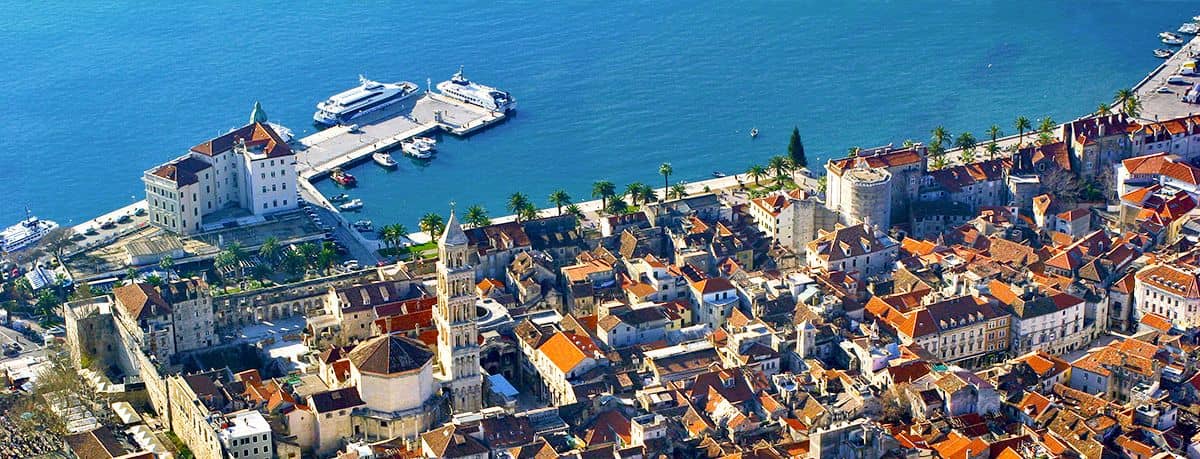
Split is the beating heart of central Dalmatia, a lively coastal city built around the UNESCO-listed historical complex of Diocletian’s Palace, with the palm-lined Riva on one side and island ferries on the other.
Whether you are coming for Roman history, beach time, or to use Split as a base for day trips and island hopping, this guide helps you plan the essentials: what to see first, where to stay, when to visit, and how to get around. For a wider look beyond the city, see our Split Region guide.
Use this page as your starting point, then dive deeper into our dedicated guides for attractions, beaches, accommodation, and day trips.
Split quick overview
- Best for: A walkable Old Town wrapped around Diocletian’s Palace, with easy access to the waterfront, beaches, and ferries for nearby islands.
- Best time to visit: For warm weather with fewer crowds, aim for late spring (May to June) or early autumn (September to October). July and August are the hottest and busiest months, so book accommodation and tours earlier if you visit in peak summer.
- How many days you need: 1 day covers the Old Town highlights; 3 days lets you add Marjan and beach time plus one day trip; 5 to 7 days is ideal if you want to include island hopping at a relaxed pace.
- Where to stay: Stay in the Old Town / Diocletian’s Palace area for first-time sightseeing, near the port if you are taking early ferries, near Bačvice beach for beach-and-nightlife energy, Žnjan for a longer seaside promenade, or Meje/Spinut for a quieter base close to Marjan.
- Getting around: The centre is best explored on foot. For longer hops (beaches, neighbourhoods, and nearby towns), use Split’s local buses run by Promet; day and multi-day tickets are available, which can be useful if you plan multiple rides.
- UNESCO note: Split’s historic centre and Diocletian’s Palace form a protected UNESCO World Heritage site, with Roman remains integrated into the living city - it is not a single fenced attraction, but a working neighbourhood you explore street by street.
Quick planning links: Split Airport transfer guide | Split Ferry Port | Split ferries | Parking
Top things to do in Split
Split’s best experiences are packed into a small, walkable core: Roman-era streets and courtyards inside Diocletian’s Palace, sunset strolls along the waterfront, viewpoints on Marjan Hill, and local markets where the city still runs on morning routines. If you want a deeper list with maps and practical tips, start here: best attractions in Split.
Diocletian’s Palace and the Old Town
Split’s historic centre grew inside and around Diocletian’s Palace, so “visiting the Palace” is mostly about wandering: pass through the gates, step into the Peristyle, and explore the narrow lanes where Roman walls meet cafés and homes. Much of the Palace is open-access, but some highlights are ticketed (most commonly the basement halls/substructures and specific museums/collections). For what’s free vs ticketed right now, see Diocletian’s Palace tips and tickets.
Cathedral of Saint Domnius and the bell tower viewpoint
One of the most memorable “vertical” moments in Split is climbing the bell tower of the Cathedral of Saint Domnius for a panoramic view over the Old Town rooftops, the harbour, and the islands beyond. The cathedral complex and tower are typically accessed with tickets (often sold as a combined entry), so check what is included before you go if you only want the viewpoint.
Riva promenade for sunset, people-watching, and coffee culture
The Riva promenade is Split’s outdoor living room: a wide waterfront stretch lined with cafés and palm trees, perfect for an easy first walk after arriving. Come just before sunset for the best light, then stay for a relaxed evening vibe and an effortless dinner plan nearby.
Marjan Hill for viewpoints and pine-forest walks
For the quickest “escape” from the Old Town crowds, head to Marjan Hill - a green peninsula of trails, stairways, and lookout points that locals use year-round. The first viewpoints above the city are achievable even with limited time, while longer walks take you deeper into the pine forest for quieter panoramas.
Pazar (Green Market) and the Fish Market for a local morning
To see Split at its most local, start with the markets. Pazar is the open-air green market right beside the eastern wall of Diocletian’s Palace, a lively place for seasonal fruit, veg, herbs, and everyday Dalmatian staples. A few minutes away, the Fish Market is a city institution too - best visited in the morning when the counters are busiest and the atmosphere is at its peak.
Museums and galleries worth prioritising
If you want a break from the heat or a rainy-day plan, Split’s museums are an easy win. The Meštrović Gallery is the standout for art lovers, while the Archaeological Museum is a strong pick for anyone who wants context for Roman Dalmatia. Use our guide to choose what fits your time: museums in Split.
Top tours and experiences in Split
If you want to make Split effortless (and avoid spending half your trip researching logistics), book one or two “anchor” experiences and build the rest of your days around them. This curated list focuses on the tours travellers book most often: one great historic intro, one food experience, and one “big day” on the sea or in nature.
Old Town and Diocletian’s Palace walking tour
Best for first-timers who want a fast, high-quality introduction to Split’s history, key squares, and hidden corners inside the Palace complex.
Typical time: ~1.5 to 2.5 hours. Good to know: Do this early in your trip so the rest of Split makes more sense.
Food tour inside the Palace (tastings + local stories)
Best for travellers who want the “what should we eat?” problem solved in one evening, with tastings across multiple stops and context on local dishes.
Typical time: ~3 hours. Good to know: Book early in July-August and bring an appetite.
Dalmatian cooking class (hands-on, market-style feel)
Best for food lovers and couples who prefer a warm, interactive indoor experience (also great for rainy days or shoulder season).
Typical time: ~3 to 4 hours. Good to know: Choose a morning class if you want a market-style start to the day.
Sunset cruise around Split and Marjan
Best for an easy, low-effort highlight: golden hour views of the city from the sea with a relaxed vibe (perfect after a hot sightseeing day).
Typical time: ~1.5 to 2 hours. Good to know: Bring a light layer outside peak summer evenings.
Blue Cave and 5-island speedboat day trip (Vis + Hvar route)
Best for travellers who want a “big Adriatic day” with multiple islands, swim stops, and the Blue Cave as the headline moment.
Typical time: Full day (often 9 to 11+ hours). Good to know: Sea conditions affect comfort; choose calm-day forecasts if you’re sensitive to choppy rides.
Blue Lagoon and 3-island cruise (swimming + snorkelling)
Best for a simpler, shorter boat day than the Blue Cave: turquoise water, relaxed swim time, and a coastal-island feel close to Split.
Typical time: Half day or full day. Good to know: If you want maximum flexibility (or to stay overnight), compare with public routes on Split ferries.
Krka National Park waterfalls day trip
Best for nature lovers who want a classic Dalmatia day out with wooden walkways, river scenery, and an easy “one booking” logistics solution.
Typical time: Full day. Good to know: Summer is busy; early departures usually feel better than midday starts.
Cetina River canyoning (Omiš area)
Best for active travellers who want an adrenaline day close to Split: river canyon scenery, swimming stops, and a total change of pace from the Old Town.
Typical time: Half day to full day. Good to know: Bring water shoes if recommended and expect cooler water than the sea.
Planning tip: If you only book two things, make it (1) a Palace walking tour and (2) one “big day” (Blue Cave speedboat or Krka). Then keep the rest of your itinerary flexible around weather and ferry schedules.
Getting to Split
Split is one of Croatia’s easiest cities to reach and the main transport hub for central Dalmatia. Most travellers arrive via Split Airport (SPU), then continue into the city centre (Old Town + port area), or head straight to the ferry terminal for island hopping. The best time-saver to know upfront: Split’s ferry port, main bus station, and train station are all next to each other on the same waterfront strip, within easy walking distance of the Old Town.
If you want the dedicated planning pages first, start here: flights to Split | Split ferries | buses to Split | train to Split | travelling to Split by car.
- Connecting to islands: Build your day around ferry times first, then plan your airport/bus/train arrival to match. Start with Split ferry timetables and the Split Ferry Port guide.
- Arriving in peak summer: Add buffer time for traffic, queues, and walking from drop-off points (especially if you have luggage or you are staying inside pedestrian-only Old Town lanes).
- Travelling with a car: If your plan includes car ferries, reserve vehicle space when possible and arrive early at the port in high season.
 Arriving by plane: Split Airport (SPU) to Split centre
Split Airport is in Kaštela, roughly 25 km from Split. In peak summer, traffic can be slow, so leave buffer time if you are flying to Split and connecting onward to a ferry or a long-distance bus.
For a step-by-step breakdown (including shuttle bus information, where to find your ride, what to do with luggage, and current practical tips), use our dedicated guide: Split Airport (SPU) guide.
- Airport shuttle bus (fast and simple): The most convenient option for most visitors. It is designed around flight arrivals and typically takes you straight to the central transport zone (port + bus station area), which is ideal if you are travelling with luggage.
- Public bus (budget-friendly, frequent): Promet Split runs the airport route (commonly line 37 on the Split-Airport-Trogir corridor). It is usually the cheapest choice, but it can be slower and can require an extra short walk or a change depending on where you are staying. Check the latest airport line details and timings before you travel.
- Taxi / Uber / Bolt / private transfer (door-to-door): Best for late arrivals, families, or accommodation outside the centre. Confirm the pickup point and estimated fare before you start the ride (and keep extra time in summer traffic).
- Car rental at the airport: Great if Split is part of a road trip (national parks, smaller coastal towns, countryside stops). If you are only staying in Split city, consider skipping the car until you leave due to traffic and limited parking near the Old Town.
Connecting to ferries: If you are heading straight to the islands, plan around check-in, walking time, and queues at the port. In summer, arrive early and avoid cutting it close with the “last ferry” of the day. Start here: Split Ferry Port guide.
 Arriving by ferry: Split as the island-hopping hub
Split is the main ferry hub for central Dalmatia, with frequent sailings to popular islands (such as Brač, Hvar, Šolta, Vis) and additional seasonal coastal routes. Ferry schedules in Croatia are highly seasonal, so always check the timetable for your exact travel date.
Use Split ferries to find routes and links to timetables, and read Split Ferry Port for on-the-ground logistics (where to go, how early to arrive, and how boarding works).
- Car ferries vs catamarans: Car ferries carry vehicles and foot passengers; catamarans are passenger-only and are often faster on coastal/island routes.
- Main operators you will see in Split: Jadrolinija (the national operator) plus high-speed catamaran operators (commonly Krilo / Kapetan Luka and TP Line) on many coastal and island connections.
- Tickets and boarding: Online tickets are common, but boarding rules vary by route and operator. In July and August, popular sailings can sell out, especially on weekends and for vehicle spaces.
Split also has international ferry connections to Italy on the Split to Ancona ferry and Split to Bari ferry routes, which is useful if you want to combine Dalmatia with the Italian Adriatic without flying.
Ferry tickets can be conveniently booked online.
 Arriving by bus: Croatia’s most practical intercity option
Buses are often the easiest way to reach Split from other Croatian cities (and from neighbouring countries), with frequent departures and direct routes. Split’s main bus station sits next to the ferry terminal and a short walk from the Old Town, so arriving by bus is generally straightforward even without a taxi.
Start with our hub: buses to and from Split, then use the station guide for location and practical details: Split Main Bus Station.
- Book ahead in peak season: July and August are busy, and popular routes can sell out.
- Luggage and seat reservations: Many operators assign seats and may charge for luggage storage, so check your ticket terms before you travel.
- Late arrivals: If you arrive late at night, confirm how you will reach your accommodation (Old Town stays can involve short walks through pedestrian lanes).
During summer, it’s smart to check schedules and book your bus ticket online.
 Arriving by train: scenic, but less frequent than buses
Trains can be a scenic way to travel (especially on the Zagreb-Split route), but rail connections are generally less frequent than buses and schedules can change by season. Split’s train station is in the same central transport zone by the port, which makes onward connections simple once you arrive.
For planning, routes, station tips, and what to expect by season, use our guide: train to Split.
- Zagreb to Split: Usually the most relevant rail route for visitors arriving via Croatia’s capital. Compare train vs bus travel times, and book early in peak season if you prefer rail.
- Tickets: Check the latest options (online, station, or onboard where available) and any reservation requirements before you travel.
- Good to know: If Dubrovnik is your next stop, you will typically continue by bus or ferry from Split (there is no direct passenger rail link to Dubrovnik).
 Arriving by car: motorways, coastal roads, and parking reality
Driving is convenient if Split is part of a broader itinerary (national parks, smaller coastal towns, countryside stops), but it can be stressful inside the city in peak season. The historic centre is pedestrian-heavy, parking is limited, and summer traffic is real, so plan your arrival and parking strategy before you reach the centre.
From Zagreb, the fastest route to Split is the A1 motorway (a toll road). In normal conditions, the drive is roughly 4 hours (without long stops), but summer weekends and peak changeover days can add significant delays. Tolls depend on your vehicle category and entry/exit points, so for the most accurate planning use official toll tables or calculators and read our overview of Croatian motorways.
From Rijeka, the quickest motorway route is typically A6 (toward Zagreb/Bosiljevo) connecting onto A1 southbound toward Split. This route is usually closer to 4.5 to 5 hours in normal traffic, plus breaks, and it is also subject to tolls and seasonal congestion. If you have extra time and prefer a slower, more “local” drive, you can choose toll-free state roads: the inland D1 (a village-by-village countryside route from the Zagreb direction) or the scenic coastal D8 (especially relevant on coastal journeys, but often slower in summer). Before you depart, check live conditions (wind restrictions, accidents, roadworks) and plan a realistic arrival window for parking and pedestrian-only Old Town access.
Start with our dedicated guide: travelling to Split by car and read parking in Split if you are staying near the Old Town.
- From Zagreb and northern Croatia: The A1 motorway is the fastest route (toll road). Expect toll gates and pay by cash/card or electronic toll collection depending on your setup.
- From the coast (Zadar, Šibenik, Trogir): You can mix motorway segments with coastal driving depending on your preferred pace and stops.
- From Dubrovnik direction: The coastal D8 is the classic scenic drive, but travel times can vary significantly in summer.
- Live road conditions: Check traffic updates before you set off, especially during strong winds, winter conditions, or summer peak-changeover days.
Best practice: If you only need a car for day trips, consider picking it up when you leave Split (or staying outside the centre) to avoid daily parking hassle.
Getting around Split
Split’s biggest advantage is how walkable it is. The Old Town and Diocletian’s Palace area are best explored on foot, while buses cover the longer hops to beaches and residential neighbourhoods. If you are planning island hopping, ferries act like “public transport” too, with the Split Ferry Port as the main hub.
Walking (Old Town logistics)
Most of Split’s key sights sit inside a compact pedestrian zone. Expect narrow stone lanes, steps, and uneven surfaces, especially within Diocletian’s Palace. If you are arriving with luggage, note that many Old Town accommodations are not accessible by car, so you may need to walk the last few minutes from the nearest drop-off point.
Local buses (Promet Split)
Split’s local buses are run by Promet and are the most practical way to reach areas like Žnjan, Marjan-side stops, and neighbourhoods outside the centre. If you plan multiple rides in a day, look for day or multi-ride ticket options; they can be better value than buying single tickets repeatedly. For routes and practical tips, start with our transport guide and station info: Split buses and Split Main Bus Station.
Taxis, Uber, and Bolt
Taxis and ride-hailing (Uber/Bolt) are widely used in Split, especially for airport transfers, late nights, and trips to beaches when it is very hot. In peak season, availability and pricing can fluctuate, so build a little buffer into plans that rely on a ride at a specific time (such as catching a ferry).
Driving and parking in Split
Driving in central Split can be slow in summer, and parking near the Old Town is limited. If you are staying in the historic centre, consider parking once and switching to walking and buses. Read our guide to parking in Split for practical options and what to expect in peak season.
Bikes, e-scooters, and active transport
For a more local-feeling way to move around, cycling and e-scooters can be useful along the coast and on flatter routes outside the Old Town lanes. Always ride carefully around pedestrian-heavy zones, and treat the Old Town as primarily a walking area.
Quick rule of thumb: Walk the centre, bus to beaches and neighbourhoods, and use taxis/ride-hailing for late nights or time-critical connections.
Split itineraries
Split is easy to plan because the historic centre is compact and most highlights are walkable. In summer, start early (shade is limited inside the Old Town), then schedule Marjan or the beach for the hottest hours and come back out for sunset on the waterfront.
Split in 1 day (Old Town highlights + sunset)
- Morning: Start inside Diocletian’s Palace and the Old Town lanes, then climb to a viewpoint (bell tower or a nearby lookout) if you want city-and-islands panoramas.
- Late morning: Browse Pazar (Green Market) for seasonal fruit and snacks, then do a quick stop at the Fish Market for a classic Split morning scene.
- Lunch: Eat close to the centre so you can keep walking without needing transport (Old Town konobas fill up fast in peak season).
- Afternoon: Choose one: a shaded walk on Marjan Hill for viewpoints, or a beach swim if that is your priority (especially in summer).
- Evening: Finish with sunset and people-watching on the Riva promenade, then dinner in or near the Old Town.
Split in 3 days (classic first-timer plan)
- Day 1 - Old Town + Marjan + Riva: Use the 1-day plan above as your backbone and add a museum stop if it is hot or rainy. If you want an easy indoor option, prioritise one museum from our museums in Split guide.
- Day 2 - Island day trip: Do one island day on the water (Hvar, Brač, Šolta, or Vis depending on your style). Book earlier in summer and plan to be back in Split for an easy waterfront evening. Start planning here: day trips from Split.
- Day 3 - Beach day or a nearby town: Spend a slower day with a long swim-and-walk along the coast (great for resetting after a boat day), or switch it up with an easy excursion such as Trogir if you prefer architecture and old-town wandering.
Split in 5 to 7 days (Split as a base for central Dalmatia)
- Day 1: Old Town essentials: Diocletian’s Palace, markets, and an easy first evening on the Riva.
- Day 2: Marjan viewpoints + a beach afternoon (ideal in summer when the city is hottest).
- Day 3: Island day trip (pick one “big day” on the water).
- Day 4: A second excursion day: choose a national park or a historic town depending on your pace and interests (keep this flexible for weather).
- Day 5: Slow Split day: coffee culture, neighbourhood wandering, and one museum you actually care about (use our museum guide to avoid “filler” stops).
- Optional Day 6 to 7: Add a second island (or overnight) if Split ferries and seasonal timetables line up, or swap in a countryside-style day trip for a different feel from the coast. Start with our Split day trips guide and build around your ferry plans.
Tip: If you are visiting in peak summer, lock in your accommodation and any “must-do” boat days earlier, then keep at least one day flexible for weather, sea conditions, or simply taking Split slower.
Best day trips from Split
One of Split’s biggest advantages is how quickly you can switch scenery. In a single day you can swim in a lagoon, wander a UNESCO old town, hike to a fortress, or escape into waterfalls and canyons. Start with our full guide to day trips from Split, then use the quick picker below to match the best option to your time, budget, and travel style.
How to choose the right day trip (quick picker)
- Want islands and sea time? Pick an island day (Hvar, Brač, Šolta, Vis) and plan around Split ferry schedules or book a speedboat tour if you want to see multiple stops in one day.
- Want history with minimal travel time? Go to Trogir for a short, easy day built around architecture, cafés, and a harbour stroll.
- Want waterfalls and nature? Choose Krka National Park for a classic “green escape” day (best with an early start).
- Want adventure? Head to Omiš and the Cetina canyon for rafting, ziplining, or canyoning-style experiences.
- Want a swim-first boat day? Do the Blue Lagoon (Krknjaši) for turquoise water and a snorkel-style day.
Island day trips (Hvar, Brač, Šolta, Vis)
If this is your first time in Split, an island day is the most iconic “Dalmatia moment.” The most important planning step is timing: check Split ferries and seasonal schedules, then build your day around the departure and return that fits your pace. If you want less logistics and more stops, speedboat tours can cover multiple islands and swim bays, but they are more weather-dependent and can feel fast-paced.
Good to know: If you have an early departure or you are travelling with luggage, staying near the Split Ferry Port can make day-trip mornings much easier.
Trogir (UNESCO old town close to Split)
Trogir is one of the easiest wins from Split: a compact, photogenic old town on a small island, packed with stone lanes, waterfront cafés, and a “slow wander” vibe that works in any season. It’s ideal if you want a cultural day without committing to a full-day tour. Go early in summer to enjoy the streets before the busiest hours, then linger for lunch along the waterfront.
Krka National Park (waterfalls and boardwalk landscapes)
Krka is the classic nature day trip from Split, especially if you want an alternative to another sea day. Most trips focus on Skradinski Buk and the main walking routes, with time for viewpoints and photo stops. Because it’s popular, plan for an early start and book tickets or a tour ahead in peak season. If you prefer maximum flexibility, a guided day trip can simplify transport and timing.
Omiš and the Cetina canyon (adventure + dramatic scenery)
For a completely different feel from the Old Town, head to Omiš for canyon landscapes and outdoor activities. The Cetina area is known for rafting, zipline routes, and canyoning-style adventures, with options ranging from “easy fun” to more adrenaline-focused trips. It’s also a great choice in shoulder season when the sea is cooler but you still want a day that feels active.
Blue Lagoon (Krknjaši) and swim-focused boat trips
If your priority is clear water and a relaxed swim stop, the Blue Lagoon is a popular choice for a half-day or full-day boat outing. Many tours combine it with small island villages for a quick walk and a second swim stop. Choose a morning departure for calmer water and a better chance of a less crowded swim window.
Planning tips: In July and August, book boat days and national park trips earlier, then keep at least one day flexible for wind, sea conditions, or simply slowing down. Always double-check return times so you are not relying on a “last ferry” that may be seasonal.
Split as a base for islands
Split is Central Dalmatia’s main ferry hub, which makes it one of the easiest places in Croatia to plan island time without changing accommodation every night. The key is choosing the right island for your travel style, then matching it to the right route and port (some islands have different arrival ports depending on whether you take a car ferry or a passenger-only catamaran). Start with Split ferries, then use this guide to pick the island that fits your trip.
Which island should you choose from Split?
Think in terms of “vibe” and logistics. Brač and Šolta are easiest for short stays and relaxed island days; Hvar balances beaches, food, and nightlife; Vis is the more remote choice (best if you can spare extra time); and Korčula/Lastovo are longer hops that work best with an overnight plan.
| Island | Best for | Most practical Split connection | Best as |
|---|---|---|---|
| Brač | Easy island escape, beaches, families, day-trip flexibility | Split-Supetar car ferry for most stays; seasonal fast options can work for foot passengers | Day trip or 2-4 nights |
| Hvar | Nightlife + harbour buzz, beach clubs, wine, day boats to Pakleni | Split-Stari Grad car ferry (vehicles) or catamarans for foot passengers (arrive in different ports depending on route) | 2-5 nights |
| Šolta | Quick, quieter island days, simple swimming coves, low-effort logistics | Split-Rogač car ferry | Day trip or 1-3 nights |
| Vis | Remote feel, slower pace, coves and boat days, Komiža vibe | Split-Vis car ferry (vehicles + foot passengers); some catamarans route via other islands | 3-5 nights |
| Korčula | Old-town charm, food and wine, “mini-Dubrovnik” atmosphere | Longer connections; compare car ferry vs catamaran options via Split–Hvar-Korčula catamaran depending on your date | 2-4 nights |
| Lastovo | Very quiet, nature-first island time, true “get away” feel | Seasonal/longer connections usually combined with Korčula stops (compare options on the Split ferries hub) | 3-6 nights |
Public ferry/catamaran vs speedboat tour: how to choose
There are two fundamentally different ways to do islands from Split. Public ferries/catamarans are best when you want a real island stay (or you’re happy building your own day), while speedboat tours are best when your goal is to see multiple “headline” swim spots in one long day without timetable juggling.
- Choose public ferries/catamarans if: You want to sleep on the island, explore at your own pace, and have flexibility to change plans. This is usually the best option for Brač and Šolta, and it’s also the right choice for Hvar/Vis if you have at least a couple of nights. Start with Split ferries and check port logistics on Split Ferry Port.
- Choose a speedboat tour if: You have limited time and want a “best-of” loop that hits multiple locations (often across different islands) in one day. This is the common solution for Blue Cave-style itineraries and for travellers who want a full island-and-swim day without worrying about the last return sailing.
- Quick decision rule: If you care most about a specific place (a town, a beach, a dinner spot), take the public route and stay overnight. If you care most about ticking off multiple swim highlights in one day, take a tour.
Match the route to the port (this avoids the biggest Split island mistake)
On some islands, the “best” arrival port depends on your transport type. For example, Hvar’s main car ferry arrives in Stari Grad, while many fast boats arrive in other ports used by foot passengers. That means your “crossing time” is not the whole travel time if you still need a bus/taxi on arrival. Before booking, open your route on Split ferries and confirm you are landing near the town you actually want.
Suggested island picks (use this when you are unsure)
- Want the easiest island add-on from Split? Choose Brač or Šolta. Start with Split-Supetar or Split-Rogač.
- Want island buzz, nightlife, and boat days? Choose Hvar and plan at least 2 nights. Start with Split-Stari Grad and compare foot-passenger catamarans on Split ferries. For a deeper island plan, see Hvar travel guide.
- Want the “remote island” feel? Choose Vis and plan 3-5 nights if you can. Start with Split-Vis and consider whether you also want a boat day for bays and caves.
- Want a longer old-town island break? Choose Korčula (best with an overnight plan) and compare options like Split-Hvar-Korčula catamaran. For planning beyond transport, see Korčula travel guide.
Planning tip: If you want “islands without stress”, stay in Split near the port for the first night, then move to one island for 2-4 nights instead of trying to do a different island every day. It usually gives you better beaches, better meals, and fewer missed-boat worries.
Best beaches and swimming spots in Split
Split is unusually good for swimming for a city of its size: much of the peninsula’s coastline is suitable for a dip, with everything from lively sandy bays to pebble beaches and wilder rocky edges around Marjan Hill (avoid the city harbour and shipyard areas). For a full list, see parks and beaches in Split.
Quick choosing tip: If you want sand and a social atmosphere, head to Bačvice. If you want clearer water and a more “beachy” feel, go for the Marjan-side coves like Kašjuni. If you want space, family facilities, and an urban seaside zone, pick Žnjan.
Bačvice beach (sandy, shallow, and lively)
Bačvice is Split’s iconic city beach: sandy, shallow, and always energetic in summer, with cafés and nightlife nearby. It’s also the home of picigin, the traditional ball game played in the sea shallows that locals treat as part of Split’s identity. If you want a relaxed, quieter swim, come early; later afternoons are busiest in peak season.
Kašjuni beach (Marjan-side pebble bay with clear water)
Kašjuni is one of the best “proper beach” options close to the centre, tucked under the slopes of Marjan Hill. It’s a pebble beach with a beautiful open-sea feel and a classic Split view back toward the forested hill. You can reach it by car/taxi, bike, or local bus (commonly bus 12), but avoid walking in the midday heat in summer unless you’re combining it with a Marjan hike.
Žnjan (space, promenade, and family-friendly facilities)
Žnjan is a large urban beach zone on the eastern side of Split, popular for its long seaside feel and the sheer amount of space compared with central beaches. It’s known for a promenade-style setup with plenty of casual places to stop, plus family-friendly extras like playgrounds and other seasonal facilities. In recent years, the wider Žnjan plateau has been undergoing major redevelopment, so the experience can change by season and by which sections are open.
Quick swim spots near the Old Town
If you just want a fast dip without planning a “beach day,” the coastline east of the centre strings together several easy options within a short walk or quick bus ride. Firule is naturally sheltered and often recommended for families with small children, while nearby bays like Ovčice connect you back toward Bačvice and the Old Town side.
What to pack: Most Split beaches are pebble or rocky, so water shoes make swims more comfortable. In peak summer, bring sun protection and aim for early morning or late afternoon when the heat and crowds are lower.
Best time to visit Split
The best time to visit Split for most travellers is late spring and early autumn, when you still get warm, sunny days but with fewer crowds and better value than peak summer. If swimming is your priority, plan for late June to September, when the Adriatic is at its warmest.
Best overall months: May, June, September
If you want the best balance of weather, prices, and atmosphere, aim for May, June, or September. These months are ideal for walking the Old Town comfortably, hiking on Marjan, and still enjoying beach time without the July-August intensity. They are also great for building an itinerary around day trips and island hopping (check Split ferries as schedules are seasonal).
- May: Great for sightseeing and hiking; sea is usually cooler but the city is relaxed.
- June: Warmer weather and a more “summer” feel, typically before peak crowds.
- September: Often the sweet spot for swimming, with warm sea temperatures and thinning crowds.
Peak season: July and August (best for festivals and nightlife, busiest for crowds)
July and August deliver long, hot beach days and the most active nightlife, but also the biggest crowds and the highest prices for accommodation and tours. If you visit in peak season, book early and follow a “Split rhythm”: early mornings for sightseeing, afternoons for swimming, and evenings for the waterfront and restaurants. For major dates, check events and festivals in Split.
- Split Summer Festival: Traditionally runs mid-July to mid-August (open-air performances in atmospheric venues).
- ULTRA Europe: A major music event in July; for 2026 the main dates are July 10-12 (expect higher accommodation demand and a busier city).
Peak-season planning tip: If you are island hopping, confirm ferry timetables for your exact travel date and arrive early at the port for popular routes, especially at weekends. Start with Split Ferry Port.
Split by month (quick guide)
- Split in May: One of the best months for sightseeing and walking the Old Town without peak heat. It’s also great for Marjan hikes and day trips, while swimming is possible but the sea can still feel cool for many travellers.
- Split in June: Early summer energy with longer days and warmer weather, usually before the biggest July-August crowds. A strong month for beaches and island hopping, with more frequent services starting to ramp up.
- Split in September: Often the sweet spot: warm sea temperatures, fewer crowds than August, and a more relaxed pace while most summer services still run. Ideal if you want swimming plus comfortable city exploring.
- Split in October: A quieter, better-value month that still works well for food, culture, and day trips. Beach time depends on the year (early October can be pleasantly warm), but it’s excellent for sightseeing without the summer crush.
Sea temperature and the best months for swimming
If swimming matters, late June through September is usually the most comfortable period, with the warmest sea typically in August (around 25°C on average). May can be swimmable for some travellers, but the water is often still fresh. For beach planning, see Split beaches and parks.
October and spring shoulder weeks (quieter, good value)
Early October can still feel pleasantly warm and is often excellent value, especially if you are more focused on sightseeing, food, and short day trips than long swim sessions. Spring (March to April) is also great for walking the city and exploring without the heat, but the sea is typically too cool for most swimmers.
Winter: November to February (quietest, most budget-friendly)
Winter is the calmest time to visit Split. You can explore the Old Town without crowds and enjoy a slower, more local city break. Some tours and seasonal services run less frequently, so plan day trips more carefully, and treat winter as a culture-and-food-focused trip rather than a beach holiday.
Budget note: If you want the best prices, avoid July and August and consider May, early June, late September, or October. For realistic costs, see Split prices and budget.
Things to do in Split in the rain or winter
Bad weather doesn’t ruin Split. The Old Town has plenty of indoor stops within a few minutes’ walk, and winter is a great time for museums, local food, and a slower, more authentic pace. Use this quick list to swap out beach/boat plans without losing the day.
Best indoor attractions in Split (easy, central, and rain-proof)
- Diocletian’s Palace Cellars (Basements): One of the best rainy-day stops in the city because it’s fully covered and right inside the historic core. Start here: Diocletian’s Palace Cellars.
- Split City Museum: A great “context” museum for understanding Split beyond a quick walk through the Palace lanes, with exhibits covering the city’s history and everyday life. Official: Split City Museum.
- Archaeological Museum in Split: The oldest museum institution in Croatia, with major collections from Salona and the wider Roman/Greek history of Dalmatia. Official: Archaeological Museum.
- Gallery of Fine Arts (Galerija umjetnina): A strong option if you want something calm, indoor, and culture-focused, with works spanning centuries. Official: Gallery of Fine Arts.
- Meštrović Gallery: The city’s most famous art museum and a top choice year-round (especially good if you want a high-quality museum visit rather than “killing time”). Official: Meštrović Gallery.
- Froggyland: A quirky indoor stop that’s surprisingly memorable, but note it can be seasonal. Official: Froggyland.
Food-focused rainy day ideas (warm, local, and easy)
- Do a “market-to-lunch” morning: Browse the fish and green markets early, then pick a simple local lunch (grilled fish, buzara, or a daily stew) when the rain is strongest.
- Book one proper indoor meal: On wet days, it’s worth reserving a place you’ll actually remember rather than settling for the closest menu. Use best restaurants in Split for reliable picks.
- Wine bar / tasting-style evening: Winter evenings are perfect for a slower night out (wine flights, small plates, and local varieties) without the summer heat and crowds.
Indoor-friendly day trip alternatives (when boats are a bad idea)
- Trogir: A short, easy escape for a historic old town wander, cafés, and a long lunch (works well even on cloudy days; bring a rain jacket and keep it relaxed).
- Šibenik: A strong “culture day” option with indoor stops and cafés (best if you want a change of scenery without relying on sea conditions).
- Wine/food countryside style trips: In winter, swapping a boat day for a food-and-wine style excursion is often a better experience than forcing coastal weather.
Shopping centres for a no-effort dry plan (and air-conditioning in summer)
- Joker Mall: A practical, close-to-centre option when you want a simple indoor reset (coffee, supermarket, essentials). See Joker.
- City Center One: A larger retail option with more brands and services. See City Center One.
Winter tip: Many museums close on Mondays and on public holidays, and some smaller attractions operate seasonally, so double-check opening hours before you set your day plan.
Where to stay in Split
Split is compact, but choosing the right area can make your trip feel effortless (or unnecessarily stressful). For first-timers, staying close to the Old Town keeps everything walkable. If you plan to island-hop, prioritise convenience to the port. If you want calmer evenings, choose a residential neighbourhood just outside the centre and rely on short walks or buses.
If you want a simple starting point, browse our picks for Split hotels and apartments for the widest range of locations and budgets. Travelling on a tighter budget or arriving solo? Our Split hostels guide is the quickest way to find sociable, well-located options close to the Old Town and transport hubs.
For a higher-end stay with more space and privacy, especially if you are travelling as a couple, family, or group, explore our curated selection of luxury villas in Split - ideal if you want sea views, a pool, or a quieter base just outside the centre.
- Best for sightseeing (no transport needed): Old Town and Diocletian’s Palace area
- Best for ferries and early departures: Port and bus/train station area
- Best for beach + atmosphere: Bačvice (with Firule as a calmer alternative)
- Best for families and space: Žnjan and the eastern beach districts
- Best for quiet + views near nature: Meje and Spinut (near Marjan)
Old Town and Diocletian’s Palace area
If your priority is to step outside and be inside the historic core immediately, this is the most convenient base. You can walk everywhere, return for a midday break, and keep evenings simple with the Riva and restaurants a few minutes away. The trade-offs are higher prices, noise in peak season, and more stairs/uneven lanes (some accommodation is in historic buildings with limited access and no lift). If you are arriving with heavy luggage, check where the nearest drop-off point is before booking.
Port and transport hub area (ferries, buses, and trains)
Staying near the port is ideal if your trip includes island hopping or early-morning departures. It reduces stress on travel days and makes it easy to move between accommodation and the Split Ferry Port without relying on taxis. This area is also practical if you will be using the Split Main Bus Station for intercity routes. The area is still close enough to walk into the Old Town, but it can feel busier and more “in transit” than the romantic lanes inside the centre.
Bačvice and Firule (beach base with an easy walk to the centre)
Bačvice is the classic Split choice if you want a beachy feel while still being close to the Old Town. Expect more energy, more people, and a stronger nightlife vibe in summer. Nearby Firule is often a better fit if you want the same general location with a calmer, more local feel, especially for families or anyone who prefers quieter evenings.
Žnjan and the eastern beach districts (space and family-friendly feel)
Žnjan is a practical option if you want more room, a seaside promenade-style setup, and easier logistics for families, longer stays, or travellers who prefer a modern “beach district” over the Old Town buzz. It is not as atmospheric as staying in the centre, but it can feel more relaxed day-to-day, and you can still reach the Old Town by local bus or taxi when you want to sightsee.
Meje and Spinut (quiet, greener Split near Marjan)
Meje and Spinut suit travellers who want a calmer base close to Marjan’s trails and viewpoints, with a more residential feel and fewer late-night crowds. It is a great choice if you plan to balance sightseeing with walks, swims, and downtime. The trade-off is that you will typically do a little more walking (or take a short bus/taxi) to reach the Old Town compared with staying inside the historic centre.
Booking tip: If you are visiting in July or August, book earlier and double-check cancellation terms. If you are driving, plan ahead for parking in Split (spaces in and around the Old Town are limited) and consider staying slightly outside the historic centre for easier access and less day-to-day stress.
Where to stay in Split by travel style
Split is compact, but the “right” place to stay depends on how you plan to use the city: sightseeing on foot, beach days, nightlife, family logistics, or early ferries for island hopping. Use the quick matches below, then browse our listings for Split hotels and apartments, Split hostels, or luxury villas in Split.
Best for first-timers: Old Town and Diocletian’s Palace (walk everywhere)
If it’s your first visit, stay in or just outside the Old Town so you can explore on foot and return for breaks during the hottest hours. You’ll be steps from the historic lanes, the waterfront, and restaurants, and you won’t need taxis for most plans. The trade-off is higher prices, noise in peak season, and stairs/uneven stone streets in many historic buildings.
Best for families: Firule and Žnjan (more space, easier beach days)
For families, a slightly “out-of-centre” base often works better than the Old Town: you get more space, easier logistics with strollers, and a calmer evening vibe. Firule is a sheltered, family-friendly beach area close enough to the centre for quick trips, while Žnjan is a larger seaside zone with more room and a promenade feel for long, low-effort beach days.
Best for nightlife: Bačvice (clubs + beach atmosphere)
If you want a beachy base with the strongest nightlife energy, stay near Bačvice. It’s walkable to the Old Town and transport hubs, but it’s also the area most associated with late-night venues in summer, so expect a louder vibe (and check soundproofing if you’re a light sleeper).
Best for luxury and quiet: Meje and the Marjan side (views, privacy, greenery)
For a higher-end stay with more privacy, choose the greener residential side under Marjan (often described locally as one of Split’s most desirable areas). It’s ideal if you want sea views, a villa-style stay, or a calmer base while still being close enough to reach the Old Town with a short walk or taxi.
Best for budget: Spinut, Poljud, and areas just outside the centre (value without losing walkability)
For better value, look just outside the Old Town in neighbourhoods that still keep you within an easy walk or quick bus ride. You’ll often get larger rooms, easier access, and a less touristy feel, while still being close enough to sightsee without spending on taxis.
Best for island-hoppers: Port area (early ferries, simplest connections)
If your plan includes multiple island days, staying near the transport hub can save real time and stress. The Split Ferry Port sits next to the main bus and train stations, so you can roll out early for ferries and return without complicated logistics. This is the most practical choice if you have early departures, late returns, or you want to keep travel days as friction-free as possible.
Quick rule of thumb: Old Town for first-time sightseeing, Bačvice for nightlife, Firule/Žnjan for families, Marjan-side for quiet and luxury, and the port area if you’re timing your trip around ferries.
Where to eat and drink in Split
Split is one of the best places in Croatia to eat well without overplanning: you can keep it simple with grilled fish by the waterfront, go classic Dalmatian in a konoba, or book a modern tasting-style dinner that shows how much the city’s food scene has evolved. For a curated shortlist by neighbourhood and style, see our best restaurants in Split guide.
What to eat in Split (must-try Dalmatian classics)
- Pašticada: Dalmatia’s signature slow-cooked beef stew, usually served with gnocchi (it’s traditionally a special-occasion dish, so it’s worth ordering when you see it done well).
- Crni rižot (black risotto): a rich seafood risotto coloured with squid/cuttlefish ink.
- Soparnik: a thin savoury pie filled with Swiss chard (blitva), strongly tied to the Poljica area near Split and often sold at markets and local events.
- Buzara: mussels or scampi cooked “na buzaru” (garlic, wine, herbs) - one of the easiest, most reliably good seafood orders.
- Brudet/brodet: a fisherman-style seafood stew (the catch can vary, which is part of the point).
- Na gradele (grilled fish) + blitva: classic Dalmatian simplicity - grilled fish with chard and potatoes.
- Peka (ask ahead): slow-cooked meat or octopus with potatoes under a bell-like lid; many places require advance ordering.
Where to eat: what different areas feel like
Old Town / Palace lanes: the most convenient for first-time visitors, with plenty of terraces and easy pre-dinner strolling, but also the most crowded in peak season. Just outside the centre: often better value and a slightly more local feel (especially for lunch). Waterfront / harbour side: great for a sunset drink, then walk a few minutes inland for your main meal if you want to avoid the most touristy menus.
Easy “split the difference” plan for a great food day
Start the morning with a quick browse at Pazar (Green Market) and the Fish Market, grab a simple lunch (grilled fish, buzara, or a daily stew), then save your one “big” reservation for the evening - pašticada, peka (if available), or a modern Dalmatian menu. If you want a reliable shortlist to book from, use our Split restaurants guide and choose one place that matches your style.
Practical tips (so you actually eat well)
- Reserve in peak season: for popular restaurants, booking ahead is often the difference between “best meal of the trip” and “whatever is left.”
- Don’t over-order at lunch: locals often eat lighter midday, especially in summer heat, then do a longer dinner later.
- Ask what’s truly fresh: for seafood, a quick “what’s best today?” can steer you to the best plate on the menu.
Nightlife in Split
Split’s nightlife is easy to enjoy without planning: start with a sunset drink by the sea, then drift into the Old Town for bars and late-night buzz. The scene ranges from relaxed wine-and-cocktail spots to louder clubs around Bačvice in high season, so you can match the vibe to your travel style.
Start on the waterfront (sunset drinks on the Riva)
The simplest “first night in Split” plan is a slow walk and a drink on the Riva promenade. It’s lively, central, and perfect for people-watching. If you want better value and a stronger local feel, use the Riva for the atmosphere, then walk a few minutes inland for your next stop.
Old Town bars (easy bar-hopping, no taxis needed)
The Old Town is compact and walkable, which makes it ideal for a casual bar crawl without committing to a “club night.” Expect everything from laid-back terrace bars and craft beer to small cocktail spots tucked into palace lanes. If you’re staying in the centre, this is also the easiest option for getting back to your accommodation on foot.
Bačvice area (late-night clubs and summer energy)
If you want a more party-focused night, head toward Bačvice Beach. In summer, the neighbourhood is known for a concentration of clubs and beach-side venues that stay lively late into the night, plus plenty of casual places to grab food before or after. It’s close enough to walk from the centre, but taxis are an easy backup if you’re out late.
Live music and “something different” nights
For a calmer evening, look for live music venues, jazz bars, and pubs that focus more on atmosphere than dancing. These are a great choice in shoulder season, or anytime you want a night out that still feels relaxed enough for an early start the next day.
Quick safety and etiquette tips
- Stick to well-lit routes and keep an eye on your belongings in crowded areas.
- Use licensed taxis or ride-hailing for late returns if you’re staying outside the centre.
- Keep drinks with you and pace yourself in peak summer heat.
- If you’re staying near Bačvice or the Old Town, expect some noise in high season and check soundproofing notes before booking.
For official venue listings and seasonal updates, check the city’s nightlife recommendations and practical safety advice before you go out.
Events and festivals in Split
Split has a busy cultural calendar that changes by season: spring brings local celebrations, summer is packed with theatre and big festivals, and winter focuses on Advent markets and concerts. If you want the current, date-specific listings, go straight to events and festivals in Split (and double-check timings close to travel dates, as programmes can change).
Split Summer Festival (mid-July to mid-August)
If you visit in summer and want something that feels “only in Split”, the Split Summer Festival is the headline cultural event. It typically runs from mid-July to mid-August, with opera, drama, ballet, concerts, and exhibitions staged in atmospheric outdoor locations across the historic centre. If you are travelling in peak season, it is worth checking the programme early and booking any must-see performances ahead.
ULTRA Europe (July 10 to 12, 2026)
Split also hosts one of Europe’s biggest electronic music festivals: ULTRA Europe, held at Park Mladeži. For 2026, the main festival dates are July 10 to 12. If these dates overlap with your trip, book accommodation earlier than usual and expect a noticeably busier city (especially around transport hubs and late-night areas).
Sudamja: Feast of St Domnius and Split City Day (around May 7)
Sudamja is Split’s most important local celebration, centred on the city’s patron saint, St Domnius, and traditionally culminating on May 7 with a major procession and a packed programme of events. If you want a more local experience (and lively evenings without peak-summer crowds), this is one of the best times to visit.
Advent and winter events (late November to early January)
In winter, Split becomes surprisingly atmospheric, with Advent markets, concerts, and seasonal events along the waterfront and central squares. It is a great option if you prefer a quieter city break and want to explore the Old Town without summer heat.
How to find what’s on during your dates
- Start with our Split events page for curated highlights and practical tips.
- If you want day-by-day listings, cross-check the official Split tourist board event calendar close to your travel dates.
- For big-ticket dates (especially in July and August), book accommodation and transport earlier and plan extra time around the port and station area.
Shopping in Split
Shopping in Split is a mix of local daily life and modern retail: you can browse designer brands on Marmontova Street, pick up fresh produce and local delicacies at the markets by Diocletian’s Palace, or escape the heat in one of the city’s shopping centres. For the full overview (with more places and practical tips), see shopping in Split.
Marmontova Street (the main city-centre shopping street)
For an easy “shop-and-stroll” route, start on the Marmont street strip that runs from the Riva into the centre. This is where you’ll find the highest concentration of branded fashion, jewellery, shoes, and beauty shops, plus plenty of cafés if you want to turn shopping into a relaxed walk.
Pazar (Green Market) for local produce and edible souvenirs
If you want something more local than souvenirs, go to Pazar (Green Market) beside Diocletian’s Palace. Mornings are best for browsing seasonal fruit and veg, herbs, honey, olive oil, lavender products, and small domestic specialties you can pack for the trip.
Fish Market (Peškarija) for the real Split morning atmosphere
Just a short walk from the centre, the Split Fish Market is as much an experience as it is a place to buy seafood. Go early to see the best selection and the most authentic atmosphere, even if you are only browsing.
Shopping centres (when you want air-conditioning, brands, and convenience)
If you want an easy indoor shopping option, Split has several large centres with fashion, electronics, supermarkets, and food courts. These are especially handy on very hot days, rainy days, or if you need practical items fast.
- Joker is one of the most convenient malls close to the centre, with a wide mix of everyday shops and services.
- City Center One is a major retail hub with a large brand selection, cinema, and food court.
Specialty shopping (sports and sea gear)
If your trip includes watersports or you need quality gear in Split, the eXtreme shop is a strong specialist option for equipment and advice.
Quick tip: Do markets in the morning (best selection, cooler temperatures), then save Marmontova or a mall for later in the day when the sun is strongest.
Split prices and budget: what to expect
Split can be done on a backpacker budget or as a high-end coastal break, and prices swing heavily by season (July and August are peak). The examples below are realistic “typical” ranges to help you plan a daily budget, plus a few concrete reference prices that are published by local operators.
Quick price snapshot (typical examples)
| Category | Typical price (example) | Notes |
|---|---|---|
| Cheap restaurant meal | ~€12 to €18 | Great value is often at konobas and lunch menus just outside the most touristy lanes. |
| Mid-range dinner for 2 | ~€60 to €90 | Old Town and waterfront locations are typically at the top end of this range in summer. |
| Cappuccino | ~€2.20 to €3.20 | Expect slightly higher prices on the Riva vs neighbourhood cafés. |
| Draft beer (pint) | ~€4 to €6 | Craft beer bars can run higher; local bars outside the centre can be cheaper. |
| Local bus ticket in Split (Promet) | €1.00 (advance) or €2.00 (from driver) | Exact fare depends on how you buy the ticket. |
| Split Airport to Split by public bus (Promet airport line) | €3.00 | Budget-friendly option (often slower than the airport shuttle, but excellent value). |
| Split–Supetar ferry (Brač), adult passenger | €6.50 | One of the most common ferry routes used for simple island days. |
| Split–Supetar ferry (Brač), car up to 5m | €26.10 | Vehicle spaces can sell out in summer—plan early for car ferries. |
| Krka National Park entry (adult) | €7 (winter) / €20 (shoulder) / €40 (peak summer) | Krka prices are seasonal; check your date before you go. |
| Krka peak-season “after 15:00” entry (adult) | €30 (June–September) | A useful saving if a late-afternoon visit works for your itinerary. |
| Street parking in Split (Zone I) | €1.20/hour (summer) or €0.80/hour (winter) | Zones, hours, and payment rules vary—always check signs. |
| Street parking in Split (Zone I) daily rate | €18/day (summer) or €12/day (winter) | Central parking adds up quickly if you drive daily. |
| Motorway toll example: Zagreb → Split (A1), car (Category I) | €26.40 | Official toll rates vary by category and entry/exit points. |
Accommodation: realistic ranges
- Hostels: Roughly €15 to €45 per person/night for dorms depending on season, location, and weekend demand (expect higher in July–August).
- Private rooms and apartments: Roughly €70 to €180+ per night depending on location and season (Old Town and peak weekends push higher).
- Hotels: Roughly €110 to €250+ per night for mid-range stays in high season; outside peak months you can often find better value.
- Luxury stays: Premium hotels and villas can run significantly higher in peak season, especially for sea-view and pool properties.
What usually costs the most in Split
- Accommodation in peak season: Old Town/Palace area is the priciest; staying 10–20 minutes’ walk outside the centre can cut costs while keeping Split easy.
- Boat trips and island days: Tours and fast boats add up quickly (especially with drinks/food on the water). For cheaper island days, use public routes via Split ferries.
- Transfers and taxis: Very convenient, but a meaningful extra cost. If you’re watching your budget, compare options using Split Airport transfers.
- Parking and tolls (road trips): Costs stack fast if you drive daily in the centre. Build this into your budget and plan around parking in Split.
Budget tips that actually save money
- Use shoulder season: May–June and September–early October often give the best value-to-weather ratio.
- Lock in “big items” early in summer: Book accommodation and your one must-do boat day first, then keep the rest flexible.
- Mix your meals: Do a simple market/bakery lunch and spend on one great dinner. Use best restaurants in Split to avoid paying peak prices for average food.
- Walk the centre: You can often avoid taxis completely if you stay close enough to the Old Town.
- Use buses for beach days: Local buses are usually the best value for getting to beaches and neighbourhoods (see Split bus guide).
So what’s a “good” daily budget in Split?
- Budget traveller: ~€70 to €120 per person/day (hostel dorm, simple meals, mostly walking + one paid activity).
- Mid-range: ~€130 to €220 per person/day (private room or mid-range hotel, restaurants, one day trip or boat tour).
- Comfort/high season central: ~€250+ per person/day (Old Town/waterfront stays, transfers, tours, and nicer dining).
Practical travel tips for Split
Split is a straightforward city to visit, but a few local realities make a big difference: the Old Town is pedestrian-heavy (and stony underfoot), summer heat is intense, and transport hubs can get crowded on peak travel days. For more detailed guidance, see Split travel information.
Safety and common-sense precautions
- Split is generally safe, but treat crowded areas (Old Town lanes, the port, and the bus station) like you would any busy tourist hub: keep valuables secure and be mindful of pickpocketing.
- Stick to well-lit routes late at night and use licensed taxis or ride-hailing if you are staying outside the centre.
- If you are doing boat trips, respect weather changes and sea conditions (wind can affect routes and comfort).
Health and heat (especially in summer)
- In July and August, plan sightseeing early, then schedule Marjan or a beach swim during the hottest hours and return for sunset on the waterfront.
- Carry water, wear sun protection, and take breaks in the shade (Split’s stone streets reflect heat).
- For practical guidance on staying well while travelling, see stay healthy in Croatia.
Money, payments, and practical spending
- Croatia uses the euro. Card payments are widely accepted, but keep some cash for small purchases (markets, bakeries, small fees). For a quick overview, see currency in Croatia.
- In peak season, book accommodation and key day trips earlier to avoid last-minute price spikes.
- On restaurant terraces in the Old Town, it is worth checking menus before sitting down (prices can vary noticeably street to street).
Public holidays and what can change
- On major Croatian public holidays, shops, services, and transport schedules can run differently. If you are travelling on a holiday weekend, check ahead: public holidays in Croatia.
Old Town logistics: walking, luggage, and accessibility
- The historic centre is best on foot, but expect steps and uneven stone surfaces inside Diocletian’s Palace area.
- Many accommodations in the Old Town are in older buildings with stairs and limited lift access; check access notes if mobility is a concern.
- If you arrive with luggage, remember that cars often cannot reach the door in the pedestrian zone, so you may need a short walk from the closest drop-off point.
Getting around without stress
- Walk the centre, use local buses for beaches and neighbourhoods, and keep taxis/ride-hailing for late nights or time-critical connections.
- If you are driving, plan parking before you arrive and avoid relying on finding a space near the Old Town at the last minute. Use parking in Split for practical options.
- If your trip includes island hopping, always double-check Split ferry timetables for your travel date, especially outside peak summer when schedules change.
Dress code and etiquette (quick reminders)
- When visiting churches and religious sites, wear respectful clothing (cover shoulders and avoid swimwear).
- Keep voices down in residential Palace lanes late at night (it is a living neighbourhood, not an open-air museum).
Family-friendly notes
- For an easy beach day with calmer water, sheltered bays like Firule can be a good choice (especially with smaller children).
- Split works well with kids because the centre is compact: you can sightsee in short loops and return to accommodation easily if you stay near the Old Town.
Emergency info
- For urgent help anywhere in the EU, dial 112.
- Save your accommodation address and a map pin on your phone (useful for Old Town lanes with similar-looking streets).
Split map and how the city is laid out
Split is easy to navigate once you understand the layout: the historic centre sits right by the sea, the main transport terminals cluster next to it, and the best beaches and viewpoints spread east (Žnjan) and west (Marjan). Use the map below to orient yourself, then pick the neighbourhood that fits your travel style.
- Old Town and Diocletian’s Palace: The historic core and main sightseeing zone. It’s the most walkable area, but expect steps, narrow stone lanes, and limited car access. Start with Diocletian’s Palace and then explore street-by-street.
- Port area (ferries, buses, trains): Split’s main transport hub is on the waterfront next to the Old Town. It’s the best base if you have early departures or you are island hopping via the Split Ferry Port or arriving at the main bus station.
- Bačvice and Firule (beach + atmosphere): A short walk east of the centre. Bačvice is the classic lively beach area, while Firule is calmer and often better for families.
- Marjan (views, trails, coves): The green peninsula to the west of the centre. Marjan Hill is where locals go for viewpoints, pine-forest walks, and beaches on the far side (including Kašjuni). It’s ideal if you want nature close to the city.
- Žnjan (space and a long seaside zone): East of the centre, Žnjan is a larger beach and promenade area with more room and a modern, family-friendly feel. It’s practical for longer stays and hot summer days when central beaches are busiest.
Quick orientation tip: If you stay near the Old Town, you’ll walk almost everywhere. If you stay farther east (Žnjan) or west (Marjan-side neighbourhoods), plan to use local buses or short taxi/ride-hailing trips for the centre.
FAQ - Split
Is Split worth visiting?
Yes. Split combines a UNESCO-listed historic core built into Diocletian’s Palace with a lively waterfront, great food, easy beach access, and some of the best day trips in central Dalmatia. It also works extremely well as a base for island hopping via Split ferries.
How many days do you need in Split?
1 day is enough for the Old Town highlights and the waterfront. 3 days lets you add Marjan and a beach day plus one excursion. 5 to 7 days is ideal if you want a slower pace and multiple day trips or islands. See the Split itineraries section above for a ready-made plan.
Do you need tickets for Diocletian’s Palace?
There is no single “Palace ticket” because the Palace is a living neighbourhood and much of it is open-access. Some specific sites inside the historic complex are ticketed (for example, certain museums, collections, and commonly-visited spaces like the basement halls). Use our Diocletian’s Palace guide to see what is free vs ticketed.
How do you get from Split Airport (SPU) to the city centre?
Most visitors use the airport shuttle bus to the central transport zone (port + bus station area), or the cheaper public bus. Taxis and ride-hailing are the most convenient door-to-door option, especially late at night or if you are staying outside the centre. Start here: Split Airport transfer guide and flights to Split.
How early should you arrive at Split Ferry Port?
In peak season, arrive early because the port gets crowded, and vehicle spaces can be limited on popular routes. For exact guidance by route and operator (and where to go once you arrive), use Split Ferry Port guide and double-check Split ferry timetables for your travel date.
What are the best day trips from Split?
The most popular choices are island days (Hvar, Brač, Šolta, Vis), Trogir for a quick UNESCO-style old town, Krka for waterfalls, and Omiš for canyon scenery and adventure. See day trips from Split for options by travel style and season.
Can you swim in Split, and which beach is best?
Yes. Split has multiple city beaches and easy swim spots. Bačvice is the classic sandy, lively beach; Marjan-side coves like Kašjuni are popular for clearer water; and eastern areas like Žnjan offer more space. Start with parks and beaches in Split.
Where is the best area to stay in Split?
For first-time sightseeing, stay in or near the Old Town/Palace area for maximum walkability. If you are island hopping, staying near the port is practical for early departures. For a beach base, Bačvice and nearby areas work well, while Meje/Spinut are calmer near Marjan. Browse options here: Split hotels and apartments and luxury villas in Split.
Is Split expensive?
Split can be mid-range outside peak season, but July and August are noticeably pricier for accommodation and tours. Your budget depends most on where you stay and how many boat days you do. For realistic ranges and reference prices, see Split prices and budget above.
Do you need a car in Split?
No. The centre is walkable and buses cover longer hops. A car is useful if you are doing a wider road trip beyond Split, but parking near the Old Town is limited and summer traffic can be stressful. If you are driving, plan ahead with parking in Split and travelling to Split by car.