
Dubrovnik Travel Guide
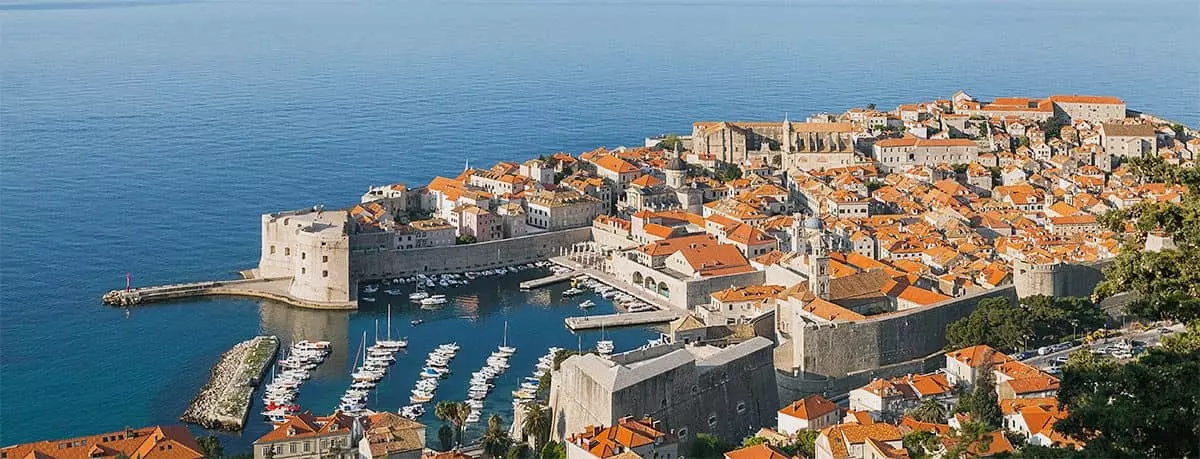
Dubrovnik, in southern Croatia, is an iconic Adriatic city, famously known as the "Pearl of the Adriatic", with a UNESCO-listed walled Old Town, honey-coloured stone streets, and crystal-clear water just beyond the fortifications.
The first thing you notice is the scale of the fortifications. Dubrovnik's City Walls shaped the city's skyline from the 13th century onward and were strengthened over centuries. Today they stretch for almost 2 km around the Old Town, while the pedestrian-only Stradun, the Rector's Palace, Sponza Palace and St Blaise's Church put most first-time sights within a compact walking area. Film fans can also follow Dubrovnik's Game of Thrones locations.
This guide covers the practical decisions as well as the sights. Start with getting to and around Dubrovnik and where to stay, then use the sections on things to do, itineraries, day trips, beaches, food, tickets and seasonal planning.
Dubrovnik - quick overview
Dubrovnik is Croatia's most iconic walled city, a UNESCO-listed Old Town built from pale limestone, with sea views at every turn and easy escapes to islands and beaches when you need a break from the crowds.
- Recommended stay: 1-2 days for the essentials; 3-4 days if you want beaches, island time, and a day trip.
- Don't miss: a walk on the City Walls, Stradun, Lokrum Island, and the view from Mount Srđ via the cable car or hiking trail.
- Where to stay: Old Town or Pile for first-time sightseeing; Lapad or Babin Kuk for beaches and more space; Gruž for ferries, buses and practical connections.
- Getting here: most international visitors fly into Dubrovnik Airport. Within Croatia, buses and seasonal ferries are important alternatives. See getting to and around Dubrovnik.
- Island hopping: use our Dubrovnik ferries guide for Mljet, Korčula, Hvar, Split, the Elaphiti Islands and international routes.
- Money-saving shortcut: if you plan to do the Walls plus museums and use buses, check whether the official Dubrovnik Pass works out better than buying tickets separately.
- Most common mistake: doing the Walls at midday in summer. Go early or late for cooler temperatures, better light, and fewer tour groups.
Getting to and around Dubrovnik
Dubrovnik is straightforward once you separate getting to the city from moving around after you arrive. Most international visitors fly into Dubrovnik Airport, buses are useful for travel within Croatia and the region, and ferries are one of the best options for island-hopping. Inside Dubrovnik, the Old Town is pedestrian-only, so walking, local buses and short taxi rides do most of the work.
Arriving in Dubrovnik
- By air: start with Dubrovnik Airport and the airport shuttle bus.
- By ferry: most scheduled services use Gruž. See Dubrovnik ferries - routes, timetables and tickets.
- By bus: intercity services arrive at the Main Bus Station in Gruž.
- By car: plan your parking before entering the city. Start with the Dubrovnik parking guide.
Getting around after arrival
- Old Town: walking is the default - cars do not enter the historic centre.
- Lapad and Babin Kuk: local buses are the easiest public-transport option.
- Gruž: use buses or taxis for the ferry port and main bus station.
- Heavy luggage or late arrivals: a taxi or private transfer is usually the simplest choice.
Dubrovnik Airport to the city
Dubrovnik Airport (DBV), also known as Ruđer Bošković Airport, is southeast of Dubrovnik. The main options into town are the airport shuttle bus, taxi and private transfer.
- Airport shuttle: useful for travelers staying near the Old Town or connecting through Gruž. Check the current Dubrovnik airport shuttle bus timetable before arrival day.
- Taxi or private transfer: better for door-to-door travel, families, heavy luggage and early or late flights. See Dubrovnik airport transfers.
Dubrovnik ferries and catamarans
Ferries deserve a place near the top of a Dubrovnik travel plan because Gruž connects the city with the Elaphiti Islands, Mljet, Korčula, Hvar, Split and seasonal international routes. Most scheduled services leave from Dubrovnik Ferry Port in Gruž, while the boat to Lokrum Island leaves from the Old City Port.
- Start here: Dubrovnik ferries - routes, timetables and tickets.
- Elaphiti Islands: Dubrovnik to Koločep, Lopud and Šipan ferry.
- Mljet, Korčula and onward island-hopping: use the main ferry hub to compare current route options before choosing a sailing.
For popular summer routes, you can compare and book Dubrovnik ferry tickets on Ferryhopper.
Buses in Dubrovnik and intercity connections
Libertas local buses connect Pile with Gruž, Lapad, Babin Kuk and other neighborhoods. For longer-distance travel, the Main Bus Station in Gruž is the main hub.
- City buses: Dubrovnik city bus map and timetables.
- Suburban buses: Dubrovnik suburban bus map, including routes toward places such as Cavtat.
- Long-distance buses: start with Dubrovnik bus travel.
Getting around Dubrovnik after you arrive
The Old Town itself is pedestrian-only. If you stay inside or close to the walls, most sightseeing is on foot. From Lapad, Babin Kuk or Gruž, local buses are usually more useful than a car.
- Walking: easiest inside the Old Town, but expect stairs and polished limestone.
- Taxis and ride services: useful for luggage, late evenings and short trips between neighborhoods.
- Old Town access: Pile is the main western gateway; Ploče is useful from the eastern side.
Driving and parking in Dubrovnik
Driving is useful for a wider Croatia road trip, but not for Old Town sightseeing. The historic centre is pedestrian-only and parking close to the walls is limited and expensive, so choose a garage or designated parking area first and continue by bus or on foot.
- Parking overview: Dubrovnik parking guide.
- Useful options: Public Garage Dubrovnik, Gruž port parking and Gradac parking.
Can you reach Dubrovnik by train?
Dubrovnik has no railway station. If rail is part of a wider Croatia trip, continue to Dubrovnik by bus, car or ferry from another city such as Split.
Top things to do in Dubrovnik
If you’re visiting Dubrovnik for the first time, build your plan around three essentials: the City Walls, a simple Old Town walk, and a big viewpoint from Mount Srđ. Then add a half-day escape (Lokrum), one or two museums for context, and a sunset spot by the sea.
Smart timing tip: Do the walls early or late (cooler, better light). Save museums and churches for the hottest hours, then finish with a viewpoint or harbour sunset.
-
Walk the Dubrovnik City Walls (the must-do)
The classic Dubrovnik experience: a near-2 km circuit above the Old Town with constant views of red rooftops, bastions, and the Adriatic. Plan 1-2 hours, wear grippy shoes, and bring water.
Local tip: Refill your bottle at Big Onofrio’s Fountain near Pile Gate before or after your walk.
-
Do an easy Old Town highlights walk (no backtracking)
For a first orientation loop, enter near Pile Gate, pause at Onofrio’s Fountain, then walk the full length of Stradun (Placa) through the heart of the Old Town. From there, it’s easy to connect the main squares, churches, and palaces in a logical line toward the Old Port.
-
Take the Dubrovnik Cable Car to Mount Srđ (best panorama)
For the “postcard” view over the Old Town and islands, head up to Mount Srđ. It’s one of the highest impact sights with the least effort, especially near late afternoon or sunset (expect queues in peak season).
-
Visit Fort Lovrijenac (dramatic fortress viewpoint)
Perched on a sea cliff just outside the western walls, this fortress gives you the iconic “fort looking back at the city” angle. Plan 45-90 minutes and combine it with the walls for the best photo loop.
-
Escape to Lokrum Island (half-day reset)
Lokrum is Dubrovnik’s easiest nature break: a quick boat ride from the Old Port to shaded pine paths, swimming coves, and easy walks. A half-day (3-6 hours) is ideal, just plan around the last return boat.
-
Step inside the Rector’s Palace (best indoor history stop)
One of Dubrovnik’s most important landmarks, now home to museum collections that help you understand how the Dubrovnik Republic worked. This is a perfect choice when you want an airier indoor break from summer heat.
-
See Sponza Palace + St Blaise’s square (quick, high-impact architecture)
Sponza is one of the Old Town’s standout buildings and sits right by Dubrovnik’s most photographed civic square. Pair it with St Blaise’s Church for a short stop that feels “essential Dubrovnik” without needing a long time slot.
-
Finish at the Old City Port (and Porporela for sunset)
The Old Port area is where Dubrovnik feels most maritime. Come for harbour views, Lokrum boat departures, and an easy golden-hour stroll, then continue to Porporela for sea breezes and a classic end-of-day vibe.
-
Visit the Franciscan Monastery pharmacy (1317)
For a uniquely Dubrovnik cultural stop, the Franciscan complex is famous for its historic pharmacy tradition and is one of the most memorable "small" sights in the Old Town.
-
Follow the Game of Thrones trail (King’s Landing)
Dubrovnik doubled as King’s Landing, and many of the best filming locations are right in or around the Old Town (including fortresses, gates, and key viewpoints). If you’re a fan, it’s an easy theme to layer onto your normal sightseeing route.
Next: If you want a ready-made plan, go to Suggested itineraries (1 to 4 days). If you’re deciding what’s worth paying for, jump to Tickets and passes.
Where to stay in Dubrovnik - best areas
Dubrovnik is compact, but where you stay changes the whole feel of your trip. For a first visit, choose between "inside the walls" (maximum atmosphere, more steps) and "outside the walls" (more space, easier access, beaches, and better value). If you plan to drive, staying outside the Old Town usually makes life easier because parking is limited and expensive near the center.
Browse accommodation: Dubrovnik hotels - Dubrovnik hostels - Dubrovnik villas.
Quick picks by travel style
- First time in Dubrovnik: Old Town or Pile (walk everywhere, maximum atmosphere).
- Luxury and sea views: Ploče (walkable to Old Town, close to Banje Beach).
- Beach and families: Lapad or Babin Kuk (promenades, swimming, more space).
- Ferries, buses, practical base: Gruž (port area, markets, good value).
- Quieter near Old Town: Boninovo and Gradac (cliffs, shade, short ride or walk).
Area comparison
| Area | Best for | Watch out for |
|---|---|---|
| Old Town | Atmosphere and walkability | Steps, noise, higher prices |
| Pile | Old Town access with easier logistics | Busy gateway zone in peak season |
| Ploče | Views, upscale hotels, beach access | Hills and stairs in places |
| Lapad | Beaches, promenades, families | Bus/taxi needed for Old Town |
| Babin Kuk | Resort stays and pools | Further from Old Town (plan transport) |
| Gruž | Port, buses, value | Less "historic" vibe at night |
Old Town - best for first-timers who want maximum atmosphere
Staying inside the UNESCO-listed Old Town means you can walk everywhere early in the morning and late at night, when Dubrovnik is at its most magical. It is the most convenient base for sightseeing, but expect stairs, narrow lanes, and higher prices.
- Choose Old Town if: you want to be steps from Stradun, the main squares, and the City Walls.
- Avoid Old Town if: you have mobility challenges, heavy luggage, or you are sensitive to late-night noise.
- Example stays: Hotel Pucić Palace or Prijeko Palace.
Pile - easiest base near the Old Town (and great for transport)
Pile is the main entrance area just outside the Old Town walls. It is a strong choice if you want quick access without staying inside the busiest lanes, and it works well for day tours and city buses.
- Best for: walkability, first-timers, and a smoother arrival/exit day.
- Helpful links: Pile Gate and Dubrovnik city bus map.
- Example stay: Hotel Hilton Imperial Dubrovnik.
Ploče - best for views and luxury near the Old Town
Ploče sits on the eastern side of the Old Town and is known for sea-facing hotels, postcard panoramas, and quick access to the walls and historic centre. It is also the most convenient area for combining "Old Town mornings" with "beach afternoons".
- Nearby swimming: Banje Beach and Sveti Jakov.
- Example stays: Hotel Excelsior - Grand Villa Argentina - Hotel Villa Dubrovnik.
Lapad - best for beaches, families, and an easy pace
Lapad is a popular peninsula area with seaside walks, restaurants, and beach access, and it is a great choice if you want more space than the Old Town. You will typically use a city bus or taxi to reach the Old Town area, which is why Lapad works best when you plan your sightseeing in blocks (Old Town day - beach day - day trip).
- Lapad highlight: Lapad Bay for swimming and evening promenades.
- Shopping and essentials: Lapad market.
- Example stays: Grand Hotel Park - Hotel Lapad - Hotel Kompas.
Babin Kuk - best for resort hotels and a quieter base
Babin Kuk is at the outer end of the Lapad peninsula and is known for larger resort-style hotels, pools, and sea views. It is ideal if you want a relaxed stay and do the Old Town as a planned excursion rather than a constant backdrop.
- Nearby beaches: Copacabana Beach and Cava Beach.
- Example stays: Hotel Dubrovnik Palace - Hotel Dubrovnik President - Hotel Valamar Lacroma Dubrovnik.
Gruž - best for ferries, buses, and value
Gruž is Dubrovnik's port area and the most practical base if you are arriving by bus or ferry, island-hopping, or prioritizing budget and convenience. It is less "historic" at night than the Old Town, but it is a smart choice for logistics and day trips.
- Transport links: Dubrovnik ferry port and Dubrovnik main bus station.
- Local feel: Gruž market for fruit, snacks, and everyday essentials.
- If you have a car: start with Dubrovnik parking and Public garage Dubrovnik.
Accessibility and steps - what to know before you book
Dubrovnik has many stairs, slopes, and polished limestone streets, especially inside the Old Town. If mobility is a concern, consider Lapad, Babin Kuk, or Gruž for flatter routes and easier drop-offs, then plan Old Town sightseeing as a focused trip.
Guests with disabilities in Dubrovnik - accessibility tips.
Next: For swimming close to where you stay, go to Beaches and swimming spots.
Suggested Dubrovnik itineraries (1-4 days)
Use these itineraries as plug-and-play plans for a first trip. The main rule: do the City Walls early or late (cooler, better light, fewer crowds), then save museums, churches, and lunch for the hottest hours. If you want an easier day, swap in Lokrum Island or a beach break.
Crowd strategy that actually works: Start before 09:00 when possible, avoid midday walls in summer, and plan your biggest "must do" before cruise crowds peak. If you want to bundle Walls + museums + city buses, check whether the Dubrovnik Pass makes sense for your days.
1 day in Dubrovnik (highlights, no stress)
- Morning: Dubrovnik City Walls (allow 1-2 hours). Go early for cooler temperatures and better light.
- Late morning: Old Town orientation walk: enter at Pile Gate, pause at Big Onofrio's Fountain, then walk the full length of Stradun (Placa) to the Old Port.
- Afternoon (pick 1): Rector's Palace for history, or Fort Lovrijenac for dramatic views.
- Golden hour: Dubrovnik Cable Car for a Mount Srd sunset viewpoint (check current operating hours on the day you go).
- Evening: Dinner in or just outside the Old Town, then a short stroll by the sea near the Old Port.
2 days in Dubrovnik (best balance for first-timers)
Day 1: Follow the 1 day plan above for Walls + Old Town + sunset viewpoint.
Day 2: Add water time, forts, and a slower Old Town rhythm.
- Morning: Lokrum Island (half-day). Swim, wander shaded paths, and plan around the last return boat.
- Afternoon: Forts and viewpoints: Fort Lovrijenac or a relaxed Old Town lane walk with a museum stop.
- Optional theme: Layer in King's Landing stops via Game of Thrones in Dubrovnik.
- Evening: Choose one: a casual wine bar, a cliffside drink, or a late dinner away from the busiest Stradun tables.
3 days in Dubrovnik (add beaches or a classic day trip)
This is the "do it all comfortably" option: Old Town highlights plus one day outside the walls.
- Day 1: City Walls + Old Town walk + Mount Srđ viewpoint.
- Day 2: Lokrum Island or a beach day (Lapad/Babin Kuk), plus a museum or fortress in the late afternoon.
- Day 3 (day trip): Pick one depending on your vibe:
- Easy and relaxing: Cavtat (pretty harbour promenade, swimming spots, slower pace).
- Island hopping: Elaphiti Islands (Koločep, Lopud, Šipan) for coves, short walks, and beach time.
- Food and wine: Ston and Pelješac for walls, oysters, and wineries.
Tip: If you are planning multiple paid sights plus city buses, compare your total to the Dubrovnik Pass before you buy tickets one by one.
4 days (or more) in Dubrovnik (slow travel and two day trips)
With 4 days, Dubrovnik becomes much calmer - you can do the Old Town at a human pace and still see the region.
- Day 1: Walls + Old Town + sunset viewpoint.
- Day 2: Lokrum half-day, then a long lunch and an easy evening stroll.
- Day 3: Day trip #1 (Elaphiti Islands or Cavtat).
- Day 4: Day trip #2 (Ston/Pelješac for food and wine, or Konavle countryside for a quieter inland feel).
Rain plan: Swap in museums and indoor landmarks (Rector's Palace, Sponza area, Franciscan complex), then do the Walls when the forecast clears. Limestone streets can be slippery after rain, so wear shoes with grip.
Next: Jump to Best day trips from Dubrovnik for the most efficient options, or go to Where to stay (best areas) to choose a base.
Best day trips from Dubrovnik
Dubrovnik is a perfect base for quick escapes, island-hopping, small seaside towns for an easy pace, and countryside villages for wine and traditional food. If you want the simplest plan, choose one "sea day" and one "land day", you will get the best variety without overpacking your schedule.
- Want beaches and swimming: head to the Elaphiti Islands.
- Want a calm coastal town: choose Cavtat.
- Want nature: do Mljet and its National Park.
- Want food and history: go to Ston and Mali Ston for walls, salt pans, and oysters.
- Want countryside: explore Konavle for villages, viewpoints, and local wine.
Elaphiti Islands - Koločep, Lopud, Šipan
The Elaphiti are the classic Dubrovnik island day trip, close enough for an easy sea day, but different enough to feel like a real escape. Each island has its own vibe, from quick swims to slower wandering and long lunches.
- How to do it: take the public ferry from Gruž, or book a shared boat tour if you want multiple island stops in one day.
- Start here: Dubrovnik to Elaphiti Islands ferry - timetable and tips.
- Quick picks: Lopud for beach time (including Šunj Beach), Koločep for the closest quick escape, Šipan for a slower, bigger island feel.
Cavtat - the easiest low-stress day trip
Cavtat is one of the most relaxing places to visit near Dubrovnik, a small harbour town with an easy waterfront promenade, swimming spots, and a slower pace that feels worlds away from the Old Town crowds.
- Best for: a calm swim day, coffee by the harbour, and an easy sunset walk.
- More ideas: browse Cavtat attractions and Cavtat beaches and parks.
Mljet - National Park and emerald lakes
If you want a true nature day, Mljet is the standout choice - pine forests, quiet coves, and the famous lake area inside Mljet National Park.
- Best for: an active day with walking, cycling, or kayaking - plus a much calmer atmosphere than the Old Town.
- Planning shortcut: check boat options here - Dubrovnik to Mljet catamaran - timetable and tips.
Korčula - a great day trip by catamaran
Korčula is a strong choice if you want a second historic old town feel without committing to an overnight stay. It works best when you can get an early boat out and a comfortable return in the evening.
- Best for: old town wandering, viewpoints, and a "different island city" atmosphere.
- Start here: Dubrovnik to Korčula ferry - timetable and tips.
Konavle - countryside, viewpoints and local wine
For a different side of the Dubrovnik region, head inland to Konavle for rural landscapes, traditional food, and a slower pace - ideal if you have had enough stone streets and want something greener and quieter.
- Easy add-on: combine Konavle with Cavtat for a "countryside plus harbour" day.
- Optional landmark: Sokol Tower in Konavle for history and panoramic views.
Ston and Mali Ston - walls, oysters and salt pans
Ston is the signature "food plus history" day trip from Dubrovnik. Come for the famous walls, local oysters from Mali Ston Bay, and a taste of the Peljesac area if you have time for a winery stop.
- Best for: a full day with walking, tasting, and a change of scenery from Dubrovnik.
- Good to know: this is much easier by car or an organised tour than by local transport.
Border day trips: Montenegro (Kotor Bay) and Bosnia and Herzegovina (Mostar) can be great, but they make for long days. Bring a passport and plan extra buffer time for border queues in peak season.
Next: If you are choosing a base, go to Where to stay (best areas). If you want water time inside Dubrovnik itself, jump to Beaches and swimming spots.
Beaches and swimming spots in Dubrovnik
Dubrovnik is not a sandy resort town, most swimming spots are pebble coves or rock platforms, but the water is famously clear and the setting is hard to beat. The easiest plan is to pick one swim spot near the Old Town for quick dips, then do one "Lapad and Babin Kuk" beach day when you want more space, shade, and facilities.
Start here: Parks and beaches in Dubrovnik - Lokrum Island (great for swimming coves and a half-day sea escape).
Quick picks
- Closest to the Old Town: Banje Beach.
- Best "local" beach near the Old Town: Sveti Jakov.
- Best half-day swim escape: Lokrum Island.
- Best family-friendly beach zone: Lapad Bay and Babin Kuk beaches.
- Best for facilities and beach bars: Copacabana Beach.
- Best for a calmer swim in Babin Kuk: Cava Beach.
What to expect
- Mostly pebble or rock: water shoes help on entry points and ladders.
- Sun and heat: bring water, plan shade breaks, and swim early or late in summer.
- Limited space near the Old Town: the best strategy is a quick dip, then a longer beach day in Lapad or Babin Kuk.
- Quick transport logic: Old Town for sightseeing, then Lapad or Babin Kuk for a relaxed swim day (works especially well if you stay in Lapad, Babin Kuk, or Gruž).
Beaches near the Old Town (easy dips and iconic views)
- Banje Beach - the most famous beach near the Old Town, great for a quick swim with classic views.
- Sveti Jakov - more effort (steps), but often feels calmer and rewards you with a superb Old Town panorama.
- Porporela - not a classic beach, but a popular Old Port spot for sea breezes, sunset strolls, and quick sea views.
Lokrum Island (swimming coves and a green escape)
If you want a quick "island swim" without a full day trip, Lokrum Island is the easiest option. Boats run from the Old Port, and you can mix shaded walks with sea dips in rocky coves. Plan around the last return boat (times change by season) and bring water shoes for easier entries.
Lapad and Babin Kuk (more space, more facilities)
If you want a true "beach day", this is the best area to aim for. Lapad and Babin Kuk offer a mix of pebble coves, sunbeds, and easy places to eat and take shade breaks, and they work well if you are staying outside the Old Town.
- Lapad Bay - the classic promenade area for an easy swim plus cafes and evening walks.
- Copacabana Beach - a great choice for a full beach day with facilities.
- Cava Beach - a calmer option nearby, good when you want a quieter swim.
- Dubrovnik President beach - a well-known Babin Kuk beach zone with easy sea access.
Shady breaks and green space (between swims)
Dubrovnik can feel intense in summer heat, so plan at least one shaded reset. A short park break can make your Old Town day much more comfortable.
- Park Gradac - a quick shade stop and a good place to slow down between sightseeing and swimming.
- Arboretum Trsteno - a beautiful half-day nature escape if you want greenery and a change of scenery.
Safety and comfort tip: Limestone streets and rock entry points can be slippery. Wear shoes with grip, bring water, and avoid cliff edges in strong wind or waves.
Next: After a swim, head to Food, wine and nightlife for what to eat and where to spend your evenings.
Food, wine and nightlife in Dubrovnik
Dubrovnik is a city made for "slow evenings", seafood dinners, a glass of local wine, then a late walk along the walls and sea. The cuisine blends Adriatic ingredients with traditions shaped by the Dubrovnik Republic and nearby regions like Konavle and Pelješac, so you can keep it simple (grilled fish and salad) or go deep into local specialties.
If you want the easiest win: do one memorable Old Town dinner (for atmosphere), then plan at least one meal in Lapad or Gruž (for better value and bigger portions). Add a wine tasting if you enjoy whites, Dubrovačka Malvasija is the signature grape of the area.
Explore more: Dubrovnik restaurants - Dubrovnik bars and clubs - Croatian wines.
Must-try tastes (Dubrovnik classics)
- Šporki makaruli: Dubrovnik pasta with slow-cooked meat sauce - the traditional dish linked to the Feast of St Blaise.
- Rožata: local caramel custard scented with rose liqueur (a perfect light dessert after seafood).
- Oysters (Mali Ston Bay): a famous regional specialty - best as a dedicated day trip or as an oyster-focused meal in town.
- Peka: meat or octopus cooked "under the bell" for hours - ideal when you want a hearty, slow-cooked meal.
- Black risotto: inky "crni rižot" is a common Adriatic staple worth ordering at least once.
- Dubrovačka Malvasija: the local white wine to look for by the glass.
How to eat well (and avoid the usual mistakes)
- Book ahead in peak season: Old Town tables can fill up early, especially for sunset times.
- Do "views" once, value the rest of the time: pay for the atmosphere one night, then eat outside the walls for better value.
- Order like a local: seafood starters + one main dish to share can be the best balance.
- Market snack plan: pick up fruit and quick bites at Gruž market before a long sightseeing day.
- Late-night tip: finish with gelato or Rožata, then do a calm Old Town walk when day-trippers are gone.
Where to eat in Dubrovnik (best picks by style)
Dubrovnik has everything from high-end terraces to small konobas and casual pizza spots. Use this shortlist to match your budget and mood.
- Iconic, special-occasion dining: Nautika (classic "Dubrovnik splurge" choice).
- Seafood focus: Proto and Kamenice.
- Modern local and seasonal: Pantarul (great when you want something a little different from the Old Town standard menu).
- Viewpoint meal (pair with Mount Srđ): Panorama (go near golden hour for the best light).
- Casual favorites: Dolce Vita and Pizzeria Oliva.
- Oysters and a twist: Oyster & Sushi Bar Bota.
Local dish tip: If you see "Šporki makaruli" or "zelena menestra" on a menu, order it - these are genuinely Dubrovnik-region specialties and not generic tourist dishes.
Wine in Dubrovnik - what to try
The local signature is Dubrovačka Malvasija - a white wine with deep roots in the Dubrovnik area, especially Konavle. If you want reds, look for Pelješac wines (often Plavac Mali) to match grilled meat or richer sauces. For a simple plan, order Malvasija by the glass with seafood and save red wine for a meat-focused dinner.
- Start with: a glass of Dubrovačka Malvasija, then explore other Dalmatian whites and reds via Croatian wines.
- Want a focused night out: choose a wine bar and do a tasting flight (great early evening plan before dinner).
Bars and nightlife (Old Town and beyond)
Dubrovnik nights can be as relaxed or lively as you want, sunset drinks on the cliffs, live music in the Old Town, or a full club night inside a historic fortress.
- Sunset drinks on the rocks: Buža Bar (one of the most memorable "only in Dubrovnik" experiences).
- Big night out: Culture Club Revelin (historic setting, headline events).
- Live music vibe: Troubadour.
- Easy pub stop: Gaffe Pub.
- Beach club feel: Banje Beach Club (best in summer).
Next: If you want a ready-made plan for your days, go to Suggested itineraries (1 to 4 days). If you are planning logistics, jump to Getting around Dubrovnik.
Tickets and passes - verified prices and what is worth paying for
Dubrovnik can be pricey, but you can keep costs under control with two simple rules: (1) buy the right bus ticket for your base (Lapad, Babin Kuk, Gruž), and (2) if you plan to do the City Walls + museums, compare individual tickets with the official Dubrovnik Pass.
Dubrovnik city buses - verified ticket prices (Libertas)
These are the official prices listed by Libertas Dubrovnik for city transport.
- Ticket bought on the bus (single ride): 2.50 EUR
- 1 hour ticket: 1.73 EUR (buy at kiosks, valid for 1 hour after first validation on the bus, useful for quick transfers)
- Daily ticket: 5.31 EUR (valid for 24 hours after first validation)
- Three-day ticket: 11.95 EUR (valid for 72 hours after first validation)
- Two-ride ticket: 3.19 EUR (each ride valid 30 minutes)
Quick pick:
- If you will take 1-2 rides total, buy a single ride (on-bus) or the 1 hour ticket.
- If you will use buses several times in one day (Old Town - Lapad - Babin Kuk - Gruž), the 24 hour daily ticket usually makes life easier.
- If you are staying 3+ days outside the Old Town, compare the 3-day ticket vs Dubrovnik Pass.
Helpful route planning: Dubrovnik city bus map.
Suburban one-way tickets (useful day trips)
If you are doing a quick local trip outside the city (for example Cavtat), Libertas also publishes these one-way fares:
- Župa dubrovačka (one way): 2.90 EUR
- Cavtat (Konavle, one way): 4.00 EUR
- Slano (Dubrovačko primorje, one way): 3.70 EUR
- Ston (Dubrovačko primorje, one way): 6.40 EUR
If you are switching buses and ferries, start here: Libertas suburban lines map and timetables, Dubrovnik Main Bus Station (Gruž) and Dubrovnik Ferry Port (Gruž).
Dubrovnik Pass - prices, how it works, and how to decide
The official Dubrovnik Pass bundles key paid sights with public transport. The easiest way to decide is to list what you will actually do (City Walls, 1-2 museums, buses), then compare the total cost with the pass price.
1-day Dubrovnik Pass
Price: 40.00 EUR
Best for: a tight 24 hour plan where you do the Walls plus a couple of museums and use buses.
3-day Dubrovnik Pass
Price: 50.00 EUR
Best for: 2-3 nights in Dubrovnik when you want the Walls, museum time, and easy transport (Lapad, Babin Kuk, Gruž).
7-day Dubrovnik Pass
Price: 60.00 EUR
Best for: longer stays where you can spread museums and paid stops across multiple days.
Important: activation and "single-use" rules
- When does the time start? The pass activates on first use, either at an included attraction entrance or when you obtain a bus ticket.
- How do included sights work? Museums and cultural institutions are single-use per location (you can enter each included place once for free).
- How does transport work? Official info states you can use the bus ticket for free transportation as many times as needed until the Dubrovnik Pass expires.
- Kids: children under 7 do not need a Dubrovnik Pass.
What the Dubrovnik Pass includes (high-impact picks)
The pass includes free public transportation and entry to key cultural sights, including the City Walls + Fort Lovrijenac (St Lawrence Fortress) and major museums such as the Rector's Palace, Maritime Museum, and more. For most first-time visitors, the "value" comes from pairing the Walls with 1-2 indoor museums (midday) plus buses if you are staying outside the Old Town.
Next: If you are planning transport in detail, go to Dubrovnik bus travel or jump to Day trips and tours.
Best time to visit Dubrovnik - weather, crowds, and key festivals
Dubrovnik is spectacular year-round, but your experience changes dramatically by season. If you want warm weather without peak crowds, plan for the "shoulder season", roughly May to early June and September to mid-October. You still get long days and swimming potential, but with a more relaxed Old Town and easier restaurant bookings.
July and August bring the hottest weather, the highest prices, and the most visitors. It can still be amazing (especially if you start early and build in swim breaks), but timing becomes everything: do the City Walls early or late, keep midday for museums, and shift beach time to late afternoon.
Late autumn and winter are quieter and more local. You will trade guaranteed beach days for atmosphere, lower accommodation prices, and a calmer city rhythm, perfect if your priorities are food, culture, and walking rather than swimming.
| Season | What it feels like | Best for | Things to know |
|---|---|---|---|
| May - early June | Warm, comfortable walking weather, the city is lively but not at full peak. | Sightseeing, day trips, early swims, best value for first-timers. | Great light for photos and Walls walks, book popular stays early. |
| Late June - August | Peak summer: hottest days, busiest Old Town, most tour groups. | Swimming, island days, nightlife, long evenings outside. | Plan Walls early or late, avoid midday stair climbs, expect queues and higher prices. |
| September - mid October | Still warm, often excellent sea conditions, fewer crowds than peak summer. | Best all-round trip: Old Town + beaches + day trips without the rush. | One of the best times for a balanced itinerary and restaurant availability. |
| Late October - March | Mild but changeable, quieter streets, more local feel. | Culture, food, walking, budget-friendly stays, festive atmosphere. | Less reliable beach weather, shorter days in winter, some tours reduce frequency. |
Festivals and events worth timing your trip around
If you want Dubrovnik at its most "alive", match your dates to one of the city’s flagship festivals. For a full overview, see Dubrovnik events.
- Dubrovnik Summer Festival: open-air performances and cultural events across the Old Town. For 2026, it runs from 10 July - 25 August 2026. Start with Dubrovnik Summer Festival.
- Dubrovnik Winter Festival: a festive city-wide programme in the run-up to New Year. The official festival site is still showing the previous 29 November 2025 - 3 January 2026 edition, so check the Dubrovnik Winter Festival page for the next confirmed dates before planning a winter trip.
- Dubrovnik Good Food Festival: the best time for food-focused travel and a more relaxed autumn vibe. In 2026, it runs 5 October - 18 October 2026. See Dubrovnik Good Food Festival.
Practical seasonal tip: In peak summer, build your day around shade and water. Use Lokrum Island as a swim-and-shade reset, and save indoor history for midday (start with Rector’s Palace).
Next: Want the best swimming and beach areas? Go to Beaches and swimming spots in Dubrovnik.
Practical tips for Dubrovnik - money, safety, water, and useful services
Dubrovnik is easy to enjoy when you know a few practical basics: the Old Town is mostly stairs and polished stone, the sun is strong in summer, and the smartest "city hack" is to mix short walks with buses from Lapad, Babin Kuk, and Gruž. Use the tips below to avoid the most common stress points and keep your days simple.
Money and costs (quick guidance)
- Currency: Croatia uses the euro. Start here: Croatia currency guide.
- Cash vs card: cards are widely accepted, but keep some cash for small purchases, kiosks, and quick snacks.
- ATM tip: if an ATM offers "dynamic currency conversion", it is usually better to pay in euros and let your bank convert.
- Dubrovnik cost control: do your "view" dinner once, then eat outside the walls (Lapad or Gruž) for better value.
Safety and emergency numbers (save this)
- 112: general emergency number (free from any phone).
- 192: police.
- 193: fire brigade.
- 194: emergency medical help (ambulance).
- 195: maritime search and rescue.
- 1987: roadside assistance.
For common-sense advice and local context, see Stay safe in Dubrovnik.
Water, heat, and walking comfort
In summer, Dubrovnik can feel intense if you push through midday heat on stone streets. The simplest fix is to "schedule shade": do the City Walls early or late, save museums and long lunches for the hottest hours, then go for a swim.
- Tap water: drinkable in Croatia and usually the best budget upgrade you can make is carrying a reusable bottle.
- Refill tip: top up at Big Onofrio's Fountain before or after Old Town walks.
- Swimming reset: if you want shade and water in one move, use Lokrum Island as a swim-and-walk break.
- Shoes matter: polished limestone can be slippery, especially after rain, so choose shoes with grip.
Health, pharmacies, and travel basics
Dubrovnik is straightforward for most travellers, but the sun, stairs, and summer crowds can be tiring. If you plan one slower half-day, you will enjoy the Old Town more.
- Sun plan: hat, sunscreen, and a midday indoor break (start with Rector's Palace or Dubrovnik Museums).
- Useful overview: Stay healthy in Dubrovnik.
- EU travelers: bring your EHIC card if you have one, plus basic travel insurance for delays and cancellations.
Accessibility and mobility tips
Dubrovnik is stunning but not flat. If you have limited mobility, plan your base carefully and build days around viewpoints and promenades rather than steep lanes.
- Best bases: Lapad and Babin Kuk are often easier than steep Old Town lanes.
- Read this first: Guests with disabilities in Dubrovnik.
Laundry and longer-stay essentials
If you are staying a week or island-hopping, laundry can be the difference between "easy trip" and "constant packing stress".
- Start here: Laundry service in Dubrovnik.
- Beach gear tip: pack quick-dry swimwear and a light towel to avoid bulky laundry loads.
Electricity and charging
- Plugs: Croatia uses type C and type F sockets.
- Voltage: 230V, 50Hz (most EU devices work without a converter).
Weather and what to pack
Pack changes by season: in summer you want breathable layers and sun protection, while spring and autumn are ideal for light jackets and comfortable walking shoes. For planning by month, see Weather in Dubrovnik.
Next: Ready to choose your base? Go to Where to stay in Dubrovnik, or if you are planning swim days, jump to Beaches and swimming spots.
More resources about Dubrovnik
Croatia Insider Dubrovnik page