
The Zadar Region lies in northern Dalmatia between the Adriatic Sea and the Velebit mountains. It combines the historic city of Zadar with sandy beaches around Nin, islands such as Dugi Otok and Ugljan, the canyons of Paklenica, the Zrmanja River and the coastal landscapes around Biograd and Pag.
The region works particularly well for travelers who want to combine history, beaches, islands and outdoor activities without changing bases every day. Zadar is the main transport hub, while Nin, Dugi Otok, Starigrad and Pag offer very different alternatives for longer stays.
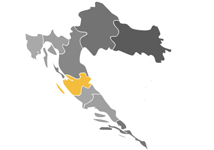
Zadar Region at a glance
- Region: Northern Dalmatia, primarily Zadar County
- Main city: Zadar
- Major destinations: Nin, Biograd na Moru, Dugi Otok, Ugljan, Pašman, Pag, Starigrad and Obrovac
- Main national park: Paklenica National Park
- Nature parks: Telašćica, Velebit and Vrana Lake
- UNESCO heritage: Defensive System of Zadar, part of the transnational Venetian Works of Defence
- Best for: families, hikers, sailors, island hopping, beaches and road trips
- How long to stay: 3 days for Zadar plus one excursion; 5-7 days for islands, Paklenica and the wider region
- Main airport: Zadar Airport (ZAD)
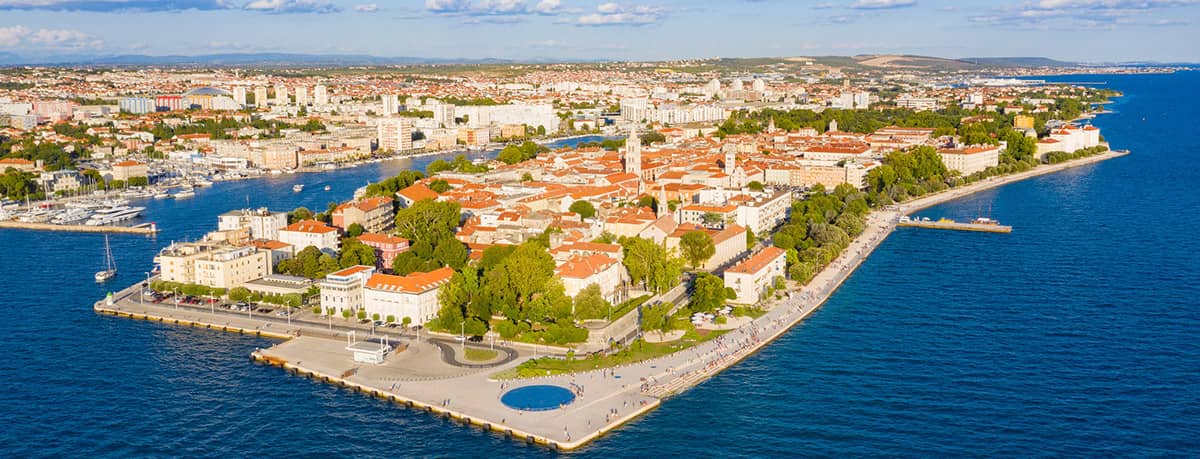
Why visit the Zadar Region?
The Zadar Region is one of Croatia’s strongest choices if you want a historic city without giving up easy access to nature. Zadar itself offers Roman and medieval heritage, restaurants and nightlife, while ferries connect the city with nearby islands and roads lead quickly toward Paklenica, Velebit, Nin, Pag and the Zrmanja River.
The region is also useful for travelers who prefer a quieter base than Split or Dubrovnik while still having good transport connections and plenty of day-trip options.
Best places to visit in the Zadar Region
Zadar
Zadar is the cultural and transport centre of the region. Its compact peninsula combines Roman ruins, medieval churches, Venetian fortifications and modern waterfront installations.
Highlights include the Roman Forum, St Donatus Church, Kalelarga, the Sea Organ and Greeting to the Sun.
For detailed city sightseeing, use the main Zadar attractions guide.
Nin and Zaton
Nin is one of the region’s most interesting small historic towns, known for its early medieval heritage, salt production and broad sandy lagoon.
The small pre-Romanesque Church of the Holy Cross is one of Nin’s best-known monuments, while the shallow sandy beaches around Nin and nearby Zaton make this one of the region’s strongest family bases.
Dugi Otok and Telašćica
Dugi Otok offers one of the region’s best combinations of island villages, beaches, cliffs and protected landscapes.
Sakarun is the island’s best-known beach, while Telašćica Nature Park protects a dramatic bay, cliffs and a distinctive coastal ecosystem at the southeastern end of the island.
Telašćica is a separate nature park and should not be confused with nearby Kornati National Park.
Ugljan
Ugljan is the easiest major island to reach from Zadar and works particularly well for a day trip. Preko is the principal ferry gateway, while cycling routes, walking trails and small coastal settlements extend across the island.
For vehicle-ferry information, see the Zadar-Ošljak-Preko ferry guide.
Pašman
Pašman is connected to Ugljan by bridge and has a quieter, more rural character. It suits travelers looking for small villages, beaches and a slower island stay away from the city.
Pag
Pag Island combines a stark stone landscape with beaches, food traditions and some of Croatia’s best-known summer nightlife.
Pag Town is the better choice for history, lace, salt and local food, while Novalja and Zrće are more strongly associated with beach clubs, festivals and nightlife.
Biograd na Moru
Biograd na Moru is a popular marina and family-holiday base south of Zadar. It is well placed for beaches, boating and trips to Vrana Lake and the islands farther offshore.
Starigrad and Paklenica
Starigrad-Paklenica is the main coastal gateway to Paklenica National Park and one of the best bases for travelers combining beaches with hiking and climbing.
Obrovac and the Zrmanja River
The Zrmanja River cuts through a dramatic karst canyon inland from the coast. Rafting, kayaking and scenic road trips make the area around Obrovac one of the region’s strongest outdoor destinations.
UNESCO heritage in Zadar
Zadar’s fortifications form part of the transnational UNESCO World Heritage property Venetian Works of Defence between the 16th and 17th Centuries, inscribed in 2017.
The Croatian component in Zadar is officially known as the Defensive System of Zadar. The surviving walls, bastions and monumental Land Gate reflect the strategic importance of Zadar within Venice’s Adriatic defensive network.
Paklenica National Park
Paklenica National Park is the most important national park within the Zadar Region itself and protects around 95 square kilometres of southern Velebit.
The park is famous for the canyons of Velika Paklenica and Mala Paklenica, mountain trails, rock climbing and dramatic transitions from Mediterranean vegetation to high-mountain terrain.
Hiking and climbing
Routes range from easier canyon walks to demanding mountain hikes. Paklenica is also one of Croatia’s major rock-climbing destinations.
Manita peć
The visitor-accessible Manita peć cave adds a geological attraction to the park, although opening periods and guided access should be checked before travel.
Velebit Nature Park
The wider Velebit Nature Park extends far beyond Paklenica and includes mountain and karst landscapes in the northern part of Zadar County.
Paklenica National Park is a separately protected national park within the much larger Velebit landscape, so the two names should not be treated as interchangeable.
Vrana Lake Nature Park
Vrana Lake near Biograd is Croatia’s largest natural lake and an important wetland area.
The nature park is particularly suited to birdwatching, cycling and quiet outdoor trips. Its ornithological reserve is among Croatia’s most significant habitats for waterbirds and migratory species.
Visiting Kornati from Zadar
Kornati National Park lies farther south but is accessible from Zadar on organized boat excursions and private sailing trips.
The national park protects a marine landscape of 89 islands, islets and reefs. Most travelers without their own boat visit on a full-day excursion with swimming stops and lunch.
Kornati belongs more naturally to the wider Šibenik/Murter travel area, so for deeper regional planning see the Šibenik Region guide.
Longer day trips from Zadar
Krka National Park
Krka can be visited from Zadar on a longer day trip, often combined with Šibenik. It belongs more naturally to the Šibenik Region than to Zadar County.
Plitvice Lakes National Park
Plitvice Lakes is another popular full-day excursion from Zadar, but it lies inland outside the core Zadar Region.
For current entry procedures, routes and planning, use the dedicated Plitvice Lakes Travel Guide.
Beaches and swimming
- Zadar: Kolovare, Borik and Diklo offer the easiest city-area swimming
- Nin and Zaton: broad, shallow and often sandy beaches suited to families
- Dugi Otok: Sakarun and numerous quieter island coves
- Pag: long open beaches and the nightlife-focused Zrće area
- Biograd: developed family beaches and resort facilities
- Ugljan and Pašman: small coves and village beaches within easy reach of Zadar
Food and local specialties
The Zadar Region combines classic Dalmatian seafood with several strong local food traditions.
- Paški sir: hard sheep’s-milk cheese from Pag
- Pag lamb: one of the island’s best-known traditional foods
- Nin salt: historic salt production remains part of Nin’s identity
- Seafood: grilled fish, octopus and shellfish throughout the coastal region
- Olive oil: produced across the islands and mainland hinterland
- Maraschino: Zadar’s historic cherry liqueur tradition
- Dalmatian wines: widely available in local restaurants and wine bars
For wider Croatian food and wine coverage, see Delicious Croatia.
Sailing and boating from Zadar
Zadar is one of northern Dalmatia’s major sailing hubs, with a dense archipelago immediately offshore and marinas around the city and nearby coast.
Popular boating areas include Dugi Otok, Ugljan, Pašman, Molat, Silba, Olib, Premuda and the outer islands, while longer routes can continue toward Telašćica and Kornati.
If you are considering chartering a boat, start with the Rent a Boat in Croatia guide and our introduction to Sailing in Croatia.
Where to stay in the Zadar Region
| Base | Best for |
|---|---|
| Zadar Old Town | History, restaurants, nightlife and no-car stays |
| Borik / Diklo | Beaches and family accommodation near Zadar |
| Nin / Zaton | Sandy beaches and families |
| Biograd | Marinas, family holidays and Vrana Lake |
| Starigrad | Paklenica and hiking |
| Dugi Otok | Island nature and slower stays |
| Pag Town | Food, history and island landscapes |
| Novalja | Nightlife and Zrće Beach |
For accommodation in the city, see hotels in Zadar and hostels in Zadar.
How to get to and around the Zadar Region
By plane
Zadar Airport (ZAD) is the main air gateway, with seasonal international connections and ground transport into Zadar.
By ferry and catamaran
Zadar has several passenger and vehicle-ferry connections to nearby islands. Departure location depends on the route, so do not assume every ferry leaves from the same terminal.
Start with the ferries from Zadar guide.
The Zadar-Ošljak-Preko route is the main vehicle-ferry connection toward Ugljan and uses the Gaženica ferry-port area for vehicle services.
For travel to Italy, see the seasonal Zadar-Ancona ferry.
By bus
Long-distance buses connect Zadar with Zagreb, Split, Rijeka and other Croatian destinations. Local and regional buses also serve Nin, Biograd, Pag and other mainland areas.
By car
A car is useful for Paklenica, Velebit, the Zrmanja, Nin, Pag and Vrana Lake. The A1 motorway provides fast road access from Zagreb and other parts of Croatia.
When to visit the Zadar Region
April and May
Excellent for Paklenica, cycling, road trips and sightseeing. Sea temperatures are cooler and some island tourism services are still seasonal.
June
One of the best all-round months for swimming, boating and sightseeing before the busiest summer period.
July and August
The busiest months for beaches, islands and nightlife. Expect higher accommodation prices and greater demand for ferry and boat-tour departures.
September
Excellent for swimming, islands and outdoor activities with generally lighter crowds than in peak summer.
October
Good for Zadar, Paklenica and road trips, while some island and tourism services begin reducing frequency.
Winter
Zadar itself remains a year-round city destination, but island tourism is much quieter and some seasonal businesses close.
How many days do you need in the Zadar Region?
3 days
Spend one or two days in Zadar and use the remaining day for Ugljan, Nin, Dugi Otok or Paklenica.
5 days
Combine Zadar with one island, Nin and either Paklenica or Vrana Lake.
7 days
A week allows Zadar, Dugi Otok, Paklenica, Pag or Nin and a slower coastal or island stay.
10 days or more
Enough time for a broader northern Dalmatian road trip including Zadar, islands, Paklenica, Velebit and longer excursions toward Plitvice or Šibenik.
Zadar Region FAQ
Is the Zadar Region worth exploring beyond Zadar?
Yes. Dugi Otok, Nin, Ugljan, Pag, Paklenica, Vrana Lake and the Zrmanja River offer very different experiences and are easy to combine with a stay in Zadar.
How many days do you need in the Zadar Region?
Three days is enough for Zadar and one major excursion. Five to seven days is better if you want an island stay, Paklenica and several mainland destinations.
Zadar or Nin?
Choose Zadar for history, restaurants, nightlife and transport. Choose Nin for a smaller historic setting and shallow sandy beaches.
Dugi Otok or Pag?
Choose Dugi Otok for quieter island nature, Telašćica and Sakarun. Choose Pag for food traditions, road access, broad beaches and nightlife around Novalja.
Is Paklenica worth visiting?
Yes, especially for hikers, climbers and travelers who want to experience Velebit’s canyons and mountain landscapes close to the Adriatic.
Can you visit Kornati from Zadar?
Yes. Organized boat excursions from Zadar visit Kornati, although the national park belongs more naturally to the wider Šibenik and Murter travel area.
Do you need a car?
Not for central Zadar or straightforward island trips. A car is very useful for Paklenica, Zrmanja, Nin, Pag, Vrana Lake and wider mainland exploration.
Which island is easiest to visit from Zadar?
Ugljan is the easiest major island because frequent ferry services connect Zadar with Preko, making it practical even for a short day trip.
Where are the best sandy beaches?
Nin and Zaton are the strongest mainland choices for shallow sandy beaches, while Sakarun on Dugi Otok is one of the region’s best-known island beaches.
What UNESCO heritage is in Zadar?
The Defensive System of Zadar forms part of the UNESCO-listed Venetian Works of Defence between the 16th and 17th Centuries.