
Dubrovnik has a Mediterranean climate with hot, dry summers and mild, wetter winters. June to September is the most reliable period for swimming, while May, June, September and early October usually offer the best balance of warm weather and comfortable sightseeing conditions.
Dubrovnik is typically hottest in July and August. Spring and early autumn are usually better for long walks, the Old Town and day trips, while late autumn and winter bring more rain and occasional strong Adriatic winds.
Monthly climate averages are useful for choosing when to travel, but they are not forecasts. Once your trip is close, check the official Croatian Meteorological and Hydrological Service (DHMZ) for current conditions, warnings and sea temperatures.
Dubrovnik weather quick overview
- Climate: Mediterranean
- Hottest months: July and August
- Coldest months: January and February
- Driest period: June to August
- Wettest period: late autumn and winter
- Comfortable swimming: June to September
- Swimming possible for cooler-water swimmers: May and October
- Best balance for sightseeing: May, June, September and early October
What is the weather like in Dubrovnik?
Dubrovnik’s position on the southern Adriatic gives it long, sunny summers and relatively mild winters. Summer weather is dominated by dry, stable conditions, while passing weather systems bring more rain and wind from autumn through early spring.
Snow in Dubrovnik is rare, and prolonged freezing conditions are unusual. Autumn and winter, however, can bring several unsettled days in succession, so waterproof footwear and a flexible itinerary are useful outside summer.
For current conditions, use the official Dubrovnik 7-day forecast. You can also use the Dubrovnik forecast on yr.no as an additional reference.
Dubrovnik weather by month
The table below shows typical long-term climate averages for trip planning. Actual conditions vary from year to year, and short-term forecasts should always be checked separately.
| Month | Avg. high | Avg. low | Sea temp | Rainfall |
|---|---|---|---|---|
| January | 12°C (54°F) | 7°C (45°F) | 14°C (57°F) | 185 mm (7.3 in) |
| February | 12°C (54°F) | 8°C (46°F) | 14°C (58°F) | 187 mm (7.4 in) |
| March | 14°C (58°F) | 10°C (50°F) | 14°C (58°F) | 128 mm (5.0 in) |
| April | 18°C (64°F) | 12°C (54°F) | 16°C (60°F) | 123 mm (4.8 in) |
| May | 23°C (73°F) | 16°C (61°F) | 19°C (66°F) | 95 mm (3.7 in) |
| June | 27°C (80°F) | 20°C (68°F) | 23°C (74°F) | 55 mm (2.2 in) |
| July | 30°C (85°F) | 23°C (73°F) | 25°C (78°F) | 37 mm (1.5 in) |
| August | 29°C (85°F) | 23°C (73°F) | 25°C (78°F) | 37 mm (1.5 in) |
| September | 25°C (77°F) | 20°C (68°F) | 24°C (76°F) | 102 mm (4.0 in) |
| October | 21°C (69°F) | 16°C (61°F) | 21°C (69°F) | 149 mm (5.9 in) |
| November | 17°C (63°F) | 12°C (54°F) | 18°C (65°F) | 187 mm (7.4 in) |
| December | 13°C (55°F) | 9°C (48°F) | 16°C (60°F) | 178 mm (7.0 in) |
These figures are long-term averages intended for planning rather than a forecast for any specific year. Check DHMZ for current weather and warnings.
January
January is usually Dubrovnik’s coldest period, with mild daytime temperatures but more frequent rain and fewer long sunny spells.
February
February remains cool and relatively wet, although days begin to lengthen and the city is very quiet compared with spring and summer.
March
March marks the transition toward spring, with gradually warmer temperatures and more opportunities for dry sightseeing days.
April
April is usually comfortable for walking and sightseeing, although showers and cooler evenings remain possible.
May
May is one of the best months for sightseeing, with warm days, longer daylight hours and noticeably fewer crowds than peak summer.
June
June brings warm, mostly dry conditions and sea temperatures that are comfortable for most swimmers.
July
July is hot, dry and very sunny. It is excellent for swimming, but midday sightseeing can become uncomfortable during heatwaves.
August
August remains very hot with warm sea temperatures and intense sun. Early morning and late afternoon are the best periods for walking-intensive sightseeing.
September
September is one of Dubrovnik’s strongest all-round months, combining warm sea temperatures with somewhat softer daytime heat and gradually lighter crowds.
October
October is mild but more changeable. Sea temperatures can remain suitable for swimming, especially early in the month, while rain and wind become less predictable.
November
November is one of the wetter months, with cooler evenings and a higher chance of unsettled periods.
December
December is mild by northern-European standards but can be rainy and windy. It suits cultural sightseeing and seasonal events rather than beach travel.
Sea temperature in Dubrovnik
The Adriatic warms gradually through spring, reaches its highest temperatures in July and August and cools slowly through autumn.
| Month | Avg. sea temp (°C) | Avg. sea temp (°F) |
|---|---|---|
| January | 14°C | 57°F |
| February | 14°C | 58°F |
| March | 14°C | 58°F |
| April | 16°C | 60°F |
| May | 19°C | 66°F |
| June | 23°C | 74°F |
| July | 25°C | 78°F |
| August | 25°C | 78°F |
| September | 24°C | 76°F |
| October | 21°C | 69°F |
| November | 18°C | 65°F |
| December | 16°C | 60°F |
For most travellers, June to September is the most comfortable swimming period. May and October can still work for people comfortable with cooler water.
For current readings, use the official DHMZ sea temperature report.
Rainfall, sunshine and wind
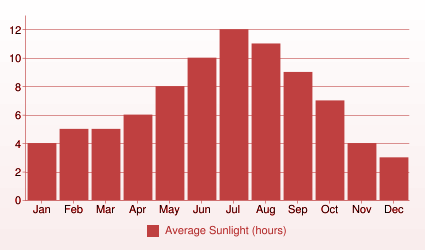
Summer is Dubrovnik’s driest and sunniest period, while rainfall becomes much more frequent from autumn into winter.
Rather than relying heavily on average wind speeds, travelers should pay attention to specific Adriatic wind conditions because stronger jugo or bura events can have a much greater practical effect on ferries, boat trips and outdoor plans than the monthly average suggests.
| Month | Avg. rainfall (mm) | Avg. rainfall (in) | Avg. sunshine (hrs/day) |
|---|---|---|---|
| January | 185 | 7.3 | 4 |
| February | 187 | 7.4 | 4 |
| March | 128 | 5.0 | 6 |
| April | 123 | 4.8 | 7 |
| May | 95 | 3.7 | 8 |
| June | 55 | 2.2 | 10 |
| July | 37 | 1.5 | 11 |
| August | 37 | 1.5 | 11 |
| September | 102 | 4.0 | 8 |
| October | 149 | 5.9 | 6 |
| November | 187 | 7.4 | 4 |
| December | 178 | 7.0 | 3 |
Jugo and bura in Dubrovnik
Jugo
Jugo is a southerly to southeasterly Adriatic wind often associated with humid air, cloud, rain and rougher sea conditions.
Bura
Bura is a northeasterly wind that can bring drier, cooler conditions but can also become strong enough to affect road and sea travel.
If your itinerary includes ferries, island excursions or small boats, check the wind forecast as well as the temperature. See our Ferry Booking in Croatia guide for advice on weather disruption and itinerary buffers.
Best time to visit Dubrovnik based on weather
| Travel goal | Best period | What to expect |
|---|---|---|
| City sightseeing | May, June, September, October | Warm days and generally more comfortable walking conditions |
| Swimming | June-September | Warmest and most reliable sea temperatures |
| Hottest beach weather | July-August | Peak heat, intense sun and lowest average rainfall |
| Warm sea with lighter crowds | September | Very good balance of swimming and sightseeing |
| Winter city break | December-February | Mild temperatures, more rain and a quieter city |
Best weather for sightseeing
May, June, September and early October are usually the strongest months for exploring the Old Town, viewpoints and walking routes without the most intense summer heat.
Best weather for swimming
June through September is the most reliable swimming period. September is especially attractive if you want warm water but slightly softer daytime temperatures.
Hottest and driest months
July and August provide the most reliable hot, dry summer weather but are also the months when heatwaves are most relevant.
Cooler and wetter months
Late autumn and winter are the wettest part of the year. Rain may come as showers or longer unsettled periods, so a flexible itinerary is useful.
Summer heat and heatwaves
Monthly averages do not show the full range of summer conditions. Heatwaves can push daytime temperatures well above the typical July and August averages.
Plan exposed activities such as long walks, viewpoints and the Old Town’s steep streets for early morning or later afternoon whenever possible.
Carry water, use shade and sun protection, and see our Stay Healthy in Croatia guide for more detailed heat and sun-safety advice.
How weather affects sightseeing and day trips
Old Town sightseeing
Spring and early autumn are usually more comfortable for walking-intensive sightseeing. In July and August, polished stone streets, stairs and exposed viewpoints can become tiring during the hottest part of the day.
For sightseeing ideas, see our Dubrovnik attractions guide.
Swimming and beaches
June to September gives the best overall combination of warm sea and stable beach weather. May and October can still produce excellent swimming days, but conditions are less predictable.
Boat trips and ferries
Strong wind and rough sea can delay or cancel smaller boat trips and some fast-ferry services. If an island excursion is important, avoid making every day of the itinerary dependent on perfect sea conditions.
For alternatives and excursion ideas, see day trips from Dubrovnik.
Seasonal events and weather
Dubrovnik’s event calendar changes through the year. February is associated with the Feast of St Blaise, summer brings the Dubrovnik Summer Festival, autumn includes events such as the Dubrovnik Good Food Festival, and late November and December bring the Dubrovnik Winter Festival.
See events in Dubrovnik for broader seasonal planning.
What to pack for Dubrovnik weather
- June-August: light clothing, hat, sunglasses, sunscreen and refillable water bottle
- April-May and September-October: light layers, comfortable walking shoes and a lightweight rain jacket
- November-March: waterproof outer layer, closed shoes with good grip and warmer evening layers
Footwear matters in the Old Town
Dubrovnik’s polished limestone streets and steps can become slippery after rain. Comfortable footwear with reliable grip is useful in every season.
Frequently asked questions about Dubrovnik weather
What is the best month to visit Dubrovnik for good weather?
May, June and September are among the strongest choices for warm weather without the most intense midsummer heat. September also has very warm sea temperatures.
Is September a good month to visit Dubrovnik?
Yes. September is one of the best months for combining warm sea temperatures with slightly cooler sightseeing conditions and generally lighter crowds than July and August.
When is Dubrovnik hottest?
July and August are usually the hottest months. Heatwaves can push temperatures well above monthly averages, so plan strenuous outdoor sightseeing outside the hottest part of the day.
When is Dubrovnik rainiest?
Late autumn and winter are generally the wettest period, particularly from November through February. Rain can arrive as short showers or longer unsettled spells.
Does rain ruin a Dubrovnik trip?
Usually not. Museums, churches, restaurants and other indoor attractions provide alternatives, although prolonged rain or strong winds can affect boat excursions and outdoor sightseeing.
Does it snow in Dubrovnik?
Snow is rare. Winters are usually mild and wet rather than consistently cold or snowy.
When is the sea warm enough for swimming?
For most visitors, June through September offers the most comfortable sea temperatures. May and October can still suit people comfortable with cooler water.
Is Dubrovnik humid in summer?
Humidity can be noticeable, particularly during very hot periods or when southerly winds affect the area.
Is Dubrovnik windy?
Most days have manageable wind, but stronger bura or jugo events can affect sea conditions, ferries and exposed outdoor areas.
Can weather affect ferries and boat tours from Dubrovnik?
Yes. Strong wind and rough sea can delay or cancel fast catamarans and smaller excursion boats. Check operator updates on the travel day.
What should I wear in Dubrovnik in spring or autumn?
Bring light layers, comfortable walking shoes and a lightweight waterproof jacket. Days can be warm while evenings and rainy periods feel noticeably cooler.
What is the best time of day for sightseeing in summer?
Early morning and late afternoon are generally most comfortable in July and August. Use midday for lunch, shaded streets or indoor attractions.