
The Archaeological Museum in Zagreb is one of Croatia's most important museums for ancient history, with more than 450,000 artefacts covering prehistory, ancient Egypt, Greece and Rome, numismatics and the Middle Ages. Its most famous objects include the Vučedol Dove and the Zagreb Mummy with the Liber Linteus, the longest surviving text written in the Etruscan language.
Located on Zrinjevac in the centre of Zagreb, the museum is a particularly good choice for travellers interested in archaeology, ancient Egypt and Croatian history. Allow around 1.5 to 2 hours for a general visit, or longer if you want to explore the collections in detail.
Archaeological Museum Zagreb quick overview
| Best for | Archaeology, ancient history, Egyptian history |
|---|---|
| Time needed | About 1.5–2 hours |
| Adult admission | €8 |
| Reduced admission | €4 |
| Family ticket | €14 |
| Closed | Mondays and holidays |
| Location | Trg Nikole Šubića Zrinskog 19, Zagreb |
| Top highlights | Vučedol Dove, Zagreb Mummy, Liber Linteus, Lumbarda Psephisma |
Is the Archaeological Museum in Zagreb worth visiting?
Yes, especially if you are interested in archaeology or ancient history. The museum is more specialised than many of Zagreb's newer interactive museums, but its collections include several objects of international importance as well as some of the most significant archaeological finds connected with Croatia.
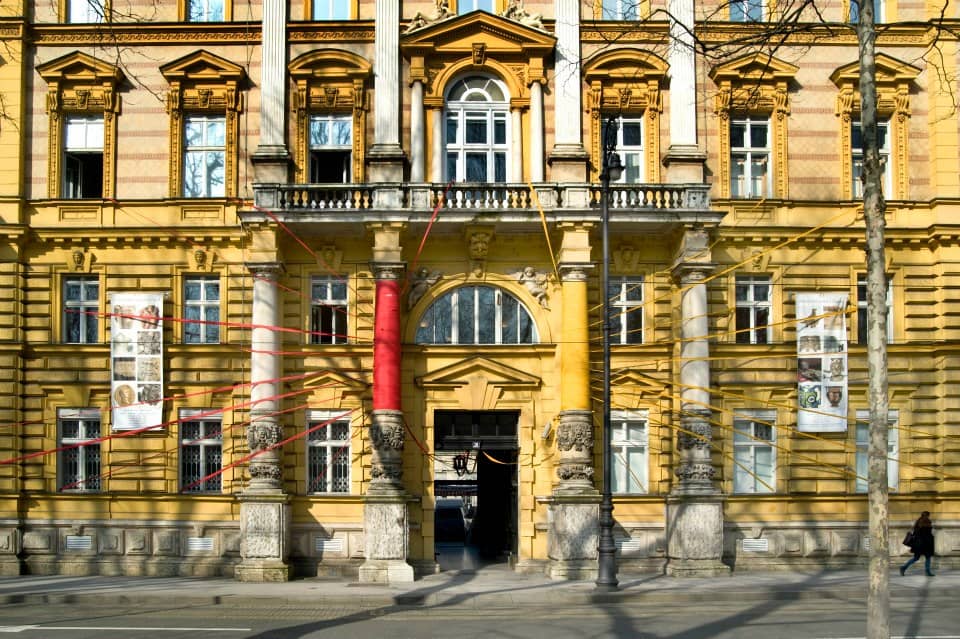
The museum is also very centrally located. It stands on Zrinjevac, part of Zagreb's Lower Town park system, within easy walking distance of Ban Jelačić Square and the city's historic centre. This makes it simple to include in a half-day of sightseeing without making a separate journey across the city.
What to see at the Archaeological Museum in Zagreb
The Archaeological Museum's holdings span thousands of years, from prehistoric cultures to the Middle Ages. You do not need to examine every display to enjoy the museum; if your time is limited, concentrate on a handful of particularly important objects and collections.
The Zagreb Mummy and Liber Linteus
The museum's most internationally famous exhibit combines ancient Egypt with one of archaeology's strangest surviving manuscripts. The Zagreb Mummy is the body of an Egyptian woman who died around 390 BC. Linen once wrapped around the mummy preserves the Liber Linteus Zagrebiensis, or Linen Book of Zagreb, the longest known text written in Etruscan.
The manuscript contains around 1,130 words and appears to have been a religious or ritual text. Exactly how an Etruscan linen manuscript came to be used as wrapping for an Egyptian mummy remains unresolved.
For the full story of its discovery and research, read our guide to the Zagreb Mummy and the Liber Linteus.
The Vučedol Dove
The Vučedol Dove is one of the best-known prehistoric objects in Croatia. Created by the Vučedol culture during the Copper Age, the ceramic vessel has become an unofficial symbol of Croatian archaeology and is one of the exhibits worth seeking out even on a short visit.
The Lumbarda Psephisma
The Lumbarda Psephisma is an ancient Greek inscription connected with the establishment of a Greek colony on the island of Korčula. It is particularly important evidence for Greek settlement and organisation on the eastern Adriatic coast.
Roman portrait from Salona
Another notable object is a finely carved Roman marble portrait of a young woman discovered at Salona near Split. The figure has traditionally been associated with Plautilla, wife of the Roman emperor Caracalla, although the identification is not certain.
The Branimir inscription
The museum also preserves the Branimir inscription dating from 888 AD. It is particularly significant because it contains the first known dated inscription mentioning a Slavic ruler, Duke Branimir.
The museum collections
The Archaeological Museum holds more than 450,000 artefacts divided among several major collections. Much of the material comes from archaeological sites within Croatia, although the museum also has important collections from Egypt and the wider Greek and Roman worlds.
Prehistoric Collection
The Prehistoric Collection follows human settlement and culture from the Stone Age through the Copper, Bronze and Iron Ages. It is particularly important for understanding prehistoric cultures that developed in what is now Croatia, including the Vučedol culture.
Egyptian Collection
The Egyptian Collection includes sarcophagi, funerary objects, amulets, papyri, ushabti figures and other objects connected with everyday life and beliefs about death in ancient Egypt. Its most celebrated exhibits are the Zagreb Mummy and the Etruscan Liber Linteus.
Greek and Roman Collection
The Greek and Roman holdings include sculpture, inscriptions, ceramics and other objects from both Croatia and the wider Mediterranean. They help explain the strong Greek and Roman influence on the Adriatic coast and the development of important Roman settlements such as Salona.
Numismatic Collection
The museum's Numismatic Collection contains coins, medals and other monetary objects spanning a very long period of European and Mediterranean history. It is one of the museum's largest specialist collections.
Medieval Collection
The Medieval Collection covers the period following the collapse of the Roman world and includes objects connected with the development of early medieval communities and states in Croatia.
How long do you need at the Archaeological Museum?
Allow around 1.5 to 2 hours for a first visit. Two hours is enough to see the main collections at a comfortable pace while spending extra time with the Zagreb Mummy, Vučedol Dove and other major exhibits.
If archaeology is one of your main interests, you can easily spend longer. Travellers who mainly want to see the museum's headline objects can make a worthwhile visit in around an hour, but rushing through faster than that reduces much of the value of the collection.
Archaeological Museum Zagreb tickets
| Ticket | 2026 price |
|---|---|
| Adult | €8 |
| Pupils, students and retirees | €4 |
| Family ticket | €14 |
| Children under 7 | Free |
The family ticket applies to three to five family members, including at least one child aged 7–15. Admission is also free for everyone on the first Sunday of each month, while retirees receive free admission on Tuesdays. Other categories may qualify for free entry.
Check the official museum website for current prices before visiting.
Opening hours
Tuesday–Friday
10:00–18:00
Saturday
10:00–20:00
Sunday
10:00–13:00
Monday & holidays
Closed
Last entry is 20 minutes before closing. Opening hours can change on individual holidays and special dates, so check the museum's official visitor information shortly before your visit.
How to get to the Archaeological Museum
The Archaeological Museum is at Trg Nikole Šubića Zrinskog 19, on the eastern side of Zrinjevac park in Zagreb's Lower Town. Its central location makes walking the easiest option for most visitors already sightseeing in the city centre.
The museum is only a few minutes' walk from the Zrinjevac tram stop, served by tram lines 6 and 13. Ban Jelačić Square is also nearby and is served by several tram routes, including lines 6, 11, 12, 13, 14 and 17.
Is the Archaeological Museum good for children?
The museum is most likely to appeal to older children who are already interested in ancient Egypt, Romans, archaeology or prehistoric cultures. Objects such as the mummy, Egyptian funerary material and Vučedol Dove provide obvious focal points that can make a shorter family visit more engaging.
For younger children, keep the visit focused on a few highlights rather than trying to cover every collection. Check the museum's current programme before visiting, as educational activities, workshops and guided programmes vary during the year.
What to see near the Archaeological Museum
The museum's Zrinjevac location makes it easy to combine with other central Zagreb sights. Ban Jelačić Square is a short walk away, while Zrinjevac itself forms part of the attractive sequence of Lower Town parks known as the Green Horseshoe.
From here you can continue toward Zagreb's Upper Town and explore more of the city's historic landmarks. See our guide to the best attractions in Zagreb, or browse more museums in Zagreb if you are planning a museum-focused day.
Old Zagreb Private Tour
Explore Zagreb's historic centre with a private guide after or before your museum visit.
The walking tour covers Gradec and Kaptol and many of central Zagreb's best-known landmarks, including Ban Jelačić Square, Stone Gate, St. Mark's Church, Lotrščak Tower and Zagreb Cathedral.
Address and contact details
Archaeological Museum in Zagreb
Trg Nikole Šubića Zrinskog 19
10000 Zagreb
Croatia
Web: www.amz.hr