
Croatia in autumn can feel like two different seasons. September often hangs on to summer along the Adriatic, October brings cooler days, autumn colours and the height of the food-and-wine season, while November is quieter, cooler and less predictable.
For historic cities, national parks, road trips, walking, local food and wine, autumn can be an excellent time to visit Croatia. The coast is easier to explore once the peak-summer heat fades, Plitvice Lakes takes on autumn colour, and regions such as Istria and inland Croatia have much more to offer than their summer reputation suggests.
There is a big regional difference. The Adriatic stays mild for longer, while Zagreb, Lika and the mountain regions cool much sooner. By October and November, rain, wind and shorter days can change the plan, so leave a little more room in the itinerary than you would in September.
Autumn in Croatia: quick overview
- Best for: historic cities, road trips, national parks, hiking, food and wine, photography and quieter sightseeing
- Most summer-like month: September, especially along the Adriatic coast
- Best month for autumn scenery: October
- Best food-focused region: Istria
- Best nature highlight: Plitvice Lakes
- Best coastal cities: Dubrovnik, Split and Zadar
- Best inland city break: Zagreb
- Main advantages: easier sightseeing, cooler walking weather and fewer visitors than in midsummer
- Main drawbacks: more changeable weather, shorter days and reduced seasonal services later in autumn
What is Croatia like in autumn?
Autumn weather in Croatia depends heavily on where you are. The Adriatic coast stays warm much longer than inland Croatia, while higher areas such as Lika and the mountain regions cool quickly once September ends.
September can still bring genuinely warm days along the coast, and in southern and central Dalmatia it may feel more like late summer than autumn. October is noticeably cooler but often comfortable for sightseeing, walking and road trips. By November, days are shorter and unsettled weather is more common, particularly away from the coast.
| Region | Typical autumn conditions | Best for |
|---|---|---|
| Adriatic coast | Warmest in September, milder than inland Croatia through October, with a greater chance of rain and wind later in the season | Historic cities, coastal walks, road trips and late-season swimming |
| Zagreb and inland Croatia | Warm days can continue into September, but mornings and evenings cool sooner. Fog, rain and colder spells become more common through October and November | City breaks, food, museums, countryside drives and cultural trips |
| Istria | Generally mild in early autumn, with cooler and wetter conditions developing later. The season coincides with truffles, wine and olive harvests | Food, wine, hill towns, countryside stays and road trips |
| Lika and mountain regions | Cooler than the coast, particularly at night, with autumn colours developing earlier and colder conditions arriving sooner | Plitvice Lakes, hiking, waterfalls, photography and scenic drives |
September and November can feel like completely different seasons. In September, you can still build a trip around islands, swimming and coastal travel. By November, cities, road trips, food and attractions that do not depend on beach weather or seasonal boats are easier to plan around.
Autumn is also an important food season. In Istria, white truffles alone can justify a trip, with October at the heart of the season and events continuing into November.
Croatia in September, October and November
The month makes a real difference. September still overlaps with summer travel; October is better for road trips and autumn scenery; November shifts the emphasis towards cities, food, wine and inland Croatia.
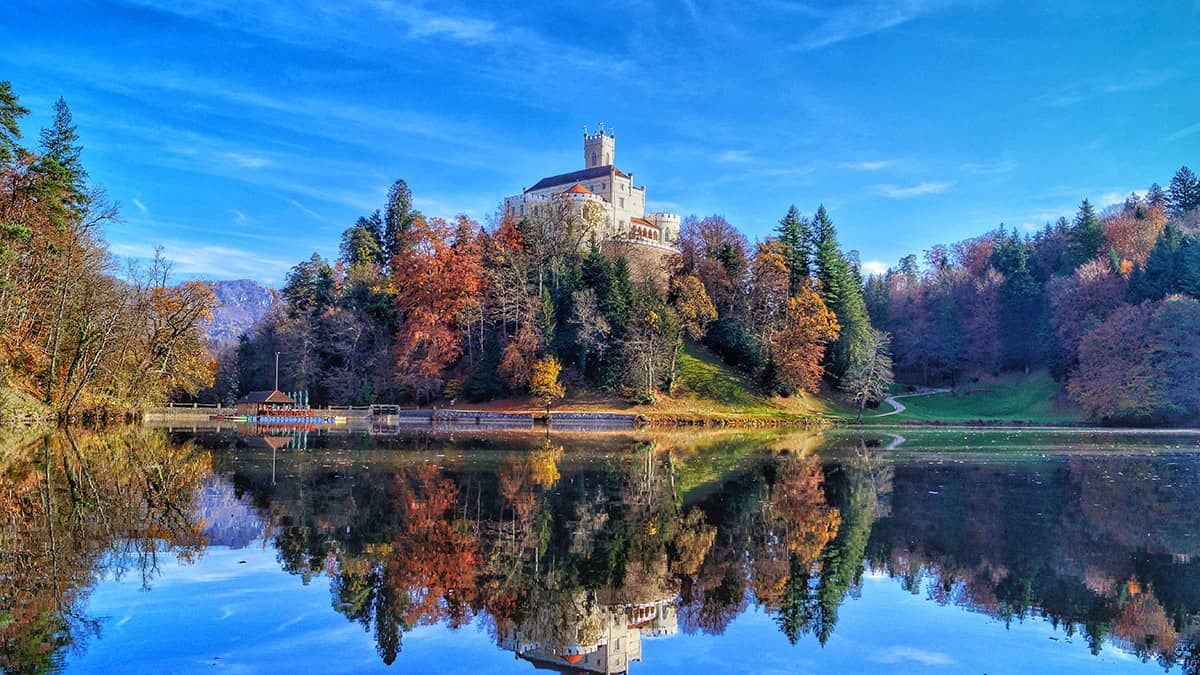

Croatia in September
September is the most summer-like month of autumn, especially along the Adriatic. Dubrovnik, Split and Zadar can still have warm days, the sea is often comfortable enough for swimming, and most coastal tourism infrastructure is still operating.
It is also much easier to spend long hours sightseeing than in July or August. Walking Dubrovnik's City Walls, exploring Diocletian's Palace or spending time along the Split region coast is generally more comfortable once the strongest summer heat has passed.
Island travel is still practical in September, but check the exact ferry timetable for your dates rather than assuming peak-summer frequencies continue unchanged. From Split, routes such as the Split to Stari Grad ferry and the Split-Hvar-Korčula catamaran are useful starting points when planning island travel.
Croatia in October
October is when Croatia starts to feel properly autumnal. The coast is still relatively mild, inland landscapes change colour, and cooler temperatures make national parks, historic towns and countryside walks much easier than they are in midsummer.
Plitvice Lakes is one of the obvious October stops. In Istria, October is the peak of the white-truffle season, with truffle festivals and food events across the north of the peninsula. See the Istria Tourist Board's information on Istrian truffles.
Rovinj is a convenient coastal base for exploring Istria in autumn, with inland villages, wine country and truffle areas within easy reach by car.
You may still get swimming weather on the coast, especially in southern Dalmatia, but in October it is better regarded as a bonus than a reason to plan the whole trip around the beach.
Croatia in November
By November, the weather has much more say in what you can comfortably do each day. Dubrovnik and Split still suit sightseeing, restaurants and short breaks, but beach time, island hopping and seasonal boat excursions are far less reliable.
Zagreb, Istria and inland road trips are easier to plan around at this time of year than a classic island itinerary. Keep some indoor sights in reserve, especially if several outdoor days are planned back to back.
Slavonia is another option for November, particularly if food, wine and countryside appeal more than the coast. It feels very different from Dalmatia and gives repeat visitors a good reason to look east.
Best places to visit in Croatia in autumn
The coast does not have a monopoly on autumn travel. September still favours coastal cities and islands, but October and November give you much stronger reasons to head inland for national parks, food, wine and city breaks.
Plitvice Lakes
Plitvice is one of Croatia's standout autumn destinations, especially in October when the forests around the lakes turn yellow, orange and red. Cooler weather also makes the longer walking routes much more comfortable than in midsummer, and the combination of forest, lakes and waterfalls is at its most colourful.
Weather can change quickly in Lika, so check the park's current conditions and open routes before travelling, especially later in the season.
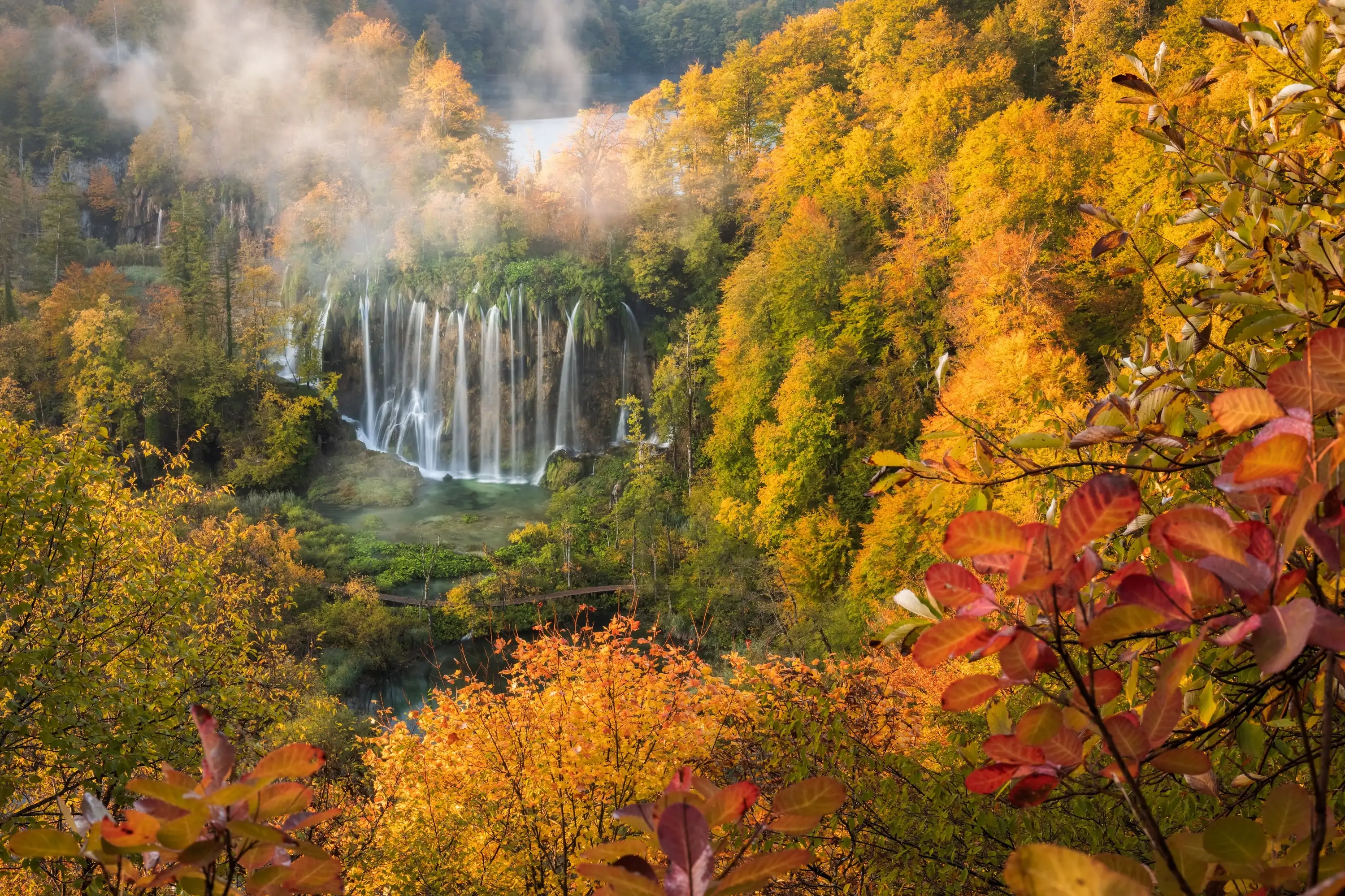
Plitvice Lakes with Ticket & Rastoke Small Group Tour from Zagreb
Visit Rastoke and Plitvice Lakes National Park on a full-day guided trip from Zagreb, with transport and park admission included.
The tour includes time in the riverside village of Rastoke, a guided walk through Plitvice Lakes and, when operating, a boat ride across Kozjak Lake. It is an easy way to see one of Croatia's most famous national parks without arranging a car, tickets and route planning yourself.
Istria
Istria has plenty going on after the beach season begins to fade. White truffles are in season, October is the key month, and wine, mushrooms, new olive oil and seasonal restaurant menus give inland Istria a very different character from summer.
Rovinj is a convenient coastal base, while the hill towns and truffle areas around Motovun, Buzet and the Mirna Valley are best explored by car.
Dubrovnik
September and October are excellent months for sightseeing in Dubrovnik. The City Walls, Stradun and the Old Town are much easier to explore once the strongest summer heat has passed, while museums, restaurants and major attractions give you alternatives when the weather turns.
September can still feel summery. October is cooler and better suited to long walks around the city. By November, Dubrovnik is much quieter and some seasonal excursions are reduced, but there is still enough open for a short cultural break.
Dubrovnik Combo Tour: Old Town & Ancient City Walls
Explore Dubrovnik's Old Town and City Walls in one guided tour, with a licensed local guide adding context to the streets, landmarks and fortifications that shaped the city.
After the Old Town walk, continue along the City Walls for a closer look at Dubrovnik's towers, forts and defensive system, with elevated views over the rooftops and Adriatic along the way.
Important: City Walls admission is not included in the tour price. The entrance fee is currently €40 per adult, or you can use a valid Dubrovnik Pass purchased and collected in advance.
Split
Split is easy to visit in autumn because its main sights are concentrated around the historic centre and do not depend on beach weather. Diocletian's Palace, the waterfront and the old streets are all easy to explore on foot, and the city remains an important transport base for central Dalmatia.
September still allows you to combine Split with islands or beaches. By October and November, the city itself carries more of the trip, and island plans need to be checked against current ferry timetables.
Zadar
Zadar is a good choice if you want a smaller coastal city and easy access to northern Dalmatia. The historic centre is compact, and sights such as the Sea Organ and Roman Forum are easy to visit outside the summer season.
It is also a natural stop on a road trip between the coast, Plitvice Lakes and inland Croatia.
Zagreb
Zagreb is a stronger choice later in autumn, when museums, restaurants and indoor attractions matter more. September can still mean long afternoons on café terraces; in October and November, markets, museums and neighbourhood walks take over more of the day.
The city is also a practical starting point for a road trip towards Plitvice, Istria or Slavonia.
Slavonia
Slavonia offers a very different Croatia: vineyards, hearty regional dishes, open countryside and smaller towns rather than beaches and islands. Once the summer heat has gone, driving between its towns and wine areas is far more pleasant.
It is especially worth considering for repeat visitors who already know Dubrovnik, Split or Istria and want an autumn trip centred on food, wine and inland Croatia.
Autumn food and wine in Croatia
Autumn is a good time to travel with food in mind. Truffles arrive in Istria, grapes are harvested in the wine regions, olives are pressed for new-season oil, and inland menus start leaning towards mushrooms, game, chestnuts and slower-cooked dishes.
Istrian white truffles
Istria is Croatia's main autumn destination for truffles. The prized white truffle Tuber magnatum Pico ripens in autumn, with October as the peak season. The main truffle areas lie around Buzet, Motovun, Livade and the Mirna Valley, where restaurants serve fresh truffle and a series of truffle events runs from September into November.
Truffle hunting & cooking tour
Join a small-group truffle hunt in the forests near Buzet, accompanied by trained truffle dogs and a local guide.
After the hunt, return for a three-course meal built around Istrian truffles, with local wine and other drinks included. The experience combines the search itself with a closer look at Istria's truffle traditions and the food that comes from them.

Typical dishes include fuži, pljukanci, gnocchi, eggs and meat topped with freshly shaved truffle. If truffles are one of the main reasons for your trip, October is the obvious month to combine inland Istria with a stay in Rovinj.
New-season olive oil
The olive harvest begins later in autumn, bringing freshly pressed extra virgin olive oil to producers and tasting rooms around Istria. New oil is noticeably more intense than oil that has been stored for months, making this one of the food experiences where the timing of the trip genuinely matters.
Wine harvest and wine regions
September and early autumn overlap with grape harvests in many Croatian wine regions. For a broader introduction before planning winery visits, see our guide to Croatian wines.
Istria and Slavonia are obvious choices for an autumn wine trip, with vineyards easily combined with small towns, local restaurants and countryside drives. In southern Dalmatia, Pelješac remains one of Croatia's best-known wine areas and can be included in a road trip between Dubrovnik and the islands.
Seasonal produce and inland cooking
Autumn brings mushrooms, chestnuts, pumpkins, game and heavier meat dishes back to the table, especially inland. Slavonia is the place to look for hearty regional cooking and local wines, while inland Istria leans towards truffles, handmade pasta, meat and seasonal mushrooms.
In the Neretva Valley, mandarins are closely associated with the lower river landscape. Autumn is a good time to stop in the valley rather than treating the drive between Split and Dubrovnik as nothing more than a transit day.
Autumn events and festivals in Croatia
Autumn has fewer large-scale events than summer, but several of Croatia's most distinctive seasonal festivals fall between September and November. Food and harvest events dominate, with a few strong cultural reasons to travel as well.
Vinkovačke jeseni, Vinkovci
Held in September, Vinkovačke jeseni is one of Croatia's major folklore events. Folk ensembles, traditional costumes, music, food and the large procession through Vinkovci put Slavonian traditions at the centre of the programme.
If you want an autumn trip with more emphasis on eastern Croatia than the Adriatic, it is an easy event to combine with a wider drive through Slavonia. Check the official Vinkovačke jeseni programme for the current year's schedule.
Istrian truffle festivals
Northern Istria has a series of truffle events rather than one single festival. From September into November, Motovun, Buzet, Livade and other places host fairs, tastings and food events centred on the Istrian white truffle.
October has the greatest concentration of events. If truffles are an important part of the trip, check the Istria Tourist Board's current truffle calendar before choosing your dates.
Marunada, Lovran
October brings Marunada to Lovran and nearby villages on the Kvarner coast. The festival celebrates the local sweet chestnut, the marun, which appears in cakes, desserts, savoury dishes and other seasonal specialities.
It is easy to combine with Opatija, Rijeka or a drive along the eastern side of Istria. Dates change from year to year; the Lovran Tourist Board publishes the current programme.
Zagreb Film Festival
The Zagreb Film Festival gives November visitors a good indoor anchor for a city break. The programme focuses on international and Croatian films, with screenings and related events at cinemas and cultural venues around Zagreb.
The timing suits the city well: restaurants, cafés and museums can fill the gaps between screenings, and bad weather is much less disruptive than it would be on an island itinerary. Check the official Zagreb Film Festival website for the current year's dates and venues.
Planning tip: festival dates can move from one year to the next. If an event is important to the trip, confirm the programme before booking accommodation or transport.
Practical tips for visiting Croatia in autumn
September needs little adjustment from a summer itinerary. By late October and November, shorter days, wetter spells and reduced seasonal services start to affect how you travel.
Pack for more than one kind of day
Autumn weather can change quickly, especially on trips that combine the coast with Zagreb, Plitvice or inland Croatia. A warm afternoon in Dubrovnik may still feel summery, while evenings in Lika or Zagreb can already be quite cool.
Layers make more sense than packing for one fixed temperature. From October onward, bring a waterproof jacket and closed shoes if you plan to spend much time outdoors. Proper footwear is also worth having for national parks after rain.
Check ferry timetables for your exact dates
September still has plenty of coastal transport, but some ferry and catamaran routes reduce frequency once the main summer season ends. That matters most if your itinerary depends on several island connections.
Do not assume that a route running several times a day in August will have the same timetable in late October. Check the operator's schedule before booking accommodation around a connection.
Start outdoor days earlier
There is noticeably less daylight by October and November. This is easy to underestimate if you are used to travelling in Croatia during summer.
For national parks, scenic drives and days with several outdoor stops, an earlier start gives you more time if the weather changes and reduces the chance of finishing a long drive after dark.
Expect fewer visitors, but not an empty Croatia
September can still be busy in Dubrovnik, Split, Istria and other popular destinations, especially early in the month. The difference becomes more obvious as October progresses, while November is genuinely quiet in many coastal resorts.
Accommodation is often easier to find once the summer peak has passed, but autumn is not automatically cheap. Festivals, weekends and popular food-and-wine areas can still push up demand, so compare prices for your actual dates rather than relying on a general idea of "shoulder-season" rates.
Leave some room to change the plan
You do not need to keep the whole itinerary open, but avoid tying every day to one outdoor activity. Strong wind on the coast, a wet day at Plitvice or heavy rain during a planned hike can quickly make another option more appealing.
In Dubrovnik, Split and Zagreb, keep one or two indoor options in mind. Museums, historic interiors, markets and restaurants make it easy to reshuffle a day when the weather turns.
Road trips suit autumn well
Driving is a good way to explore Istria, Slavonia, the Neretva Valley and inland Croatia at this time of year. Summer traffic has eased, and many worthwhile wineries, villages and food stops sit away from the main transport routes.
That does not mean you need a car everywhere. In Dubrovnik and central Split, a rental car is more trouble than help for most visitors. On a mixed itinerary, collecting the car when you leave the city is often simpler.
Do not assume every seasonal business is still open
Major sights and city museums are generally straightforward to plan around, but smaller attractions, beach facilities, boat excursions and seasonal restaurants may shorten their hours or close later in autumn.
This is most noticeable on islands and in resort areas. If you are making a special journey for a restaurant, excursion or smaller attraction, check that it is operating before you set off.
Suggested autumn itineraries
You do not need a special "autumn route" through Croatia, but the month should influence where you spend the most time. These three combinations fit the season without trying to cover too much ground.
September: Dubrovnik, Split and one island
Start with Dubrovnik, continue north to Split, then add one island if the ferry timetable suits your dates.
September still gives you a realistic mix of city sightseeing, swimming and boat travel. One island is usually enough on a shorter trip; adding several can turn too much of the holiday into a chain of connections.
October: Istria, Plitvice and Zagreb
For October, combine Istria, Plitvice Lakes and Zagreb.
Spend a few days in Istria for hill towns, truffles and wine, drive to Plitvice for the autumn scenery, then finish in Zagreb. A car is useful for the Istrian and Plitvice parts of the route; once in central Zagreb, you will not need it much.
November: Zagreb and Slavonia
In November, an inland trip is often easier to plan than an island itinerary. Start in Zagreb, then continue east into Slavonia.
This is a slower trip built around cities, food, wine and countryside. Zagreb provides plenty of indoor options if the weather turns, while Slavonia adds wineries, local cooking and a part of Croatia that many first-time visitors never reach.
Frequently asked questions about visiting Croatia in autumn
Is September a good time to visit Croatia?
Yes. September is the most summer-like part of autumn, especially along the Adriatic. Warm weather, swimming and island travel are still possible, while sightseeing is usually more comfortable than in July and August.
Is October a good time to visit Croatia?
Yes. October is well suited to road trips, national parks, walking, food and wine. The coast is cooler but often mild, Plitvice Lakes has its autumn colours, and October is the peak of Istria's white-truffle season.
What is Croatia like in November?
November is quieter, cooler and less predictable. It suits city breaks, food and wine trips, inland road trips and cultural travel better than beach holidays or island hopping.
Can you swim in Croatia in autumn?
Swimming is still common in September, particularly in Dalmatia. Warm spells can continue into October, especially in southern Croatia, but by then swimming is better treated as a bonus than something to build the whole trip around.
Where is the best place to visit in Croatia in autumn?
It depends on the month. Dubrovnik, Split and the islands suit September; Istria and Plitvice are especially good in October; Zagreb and Slavonia make more sense later in the season.
Do ferries still run in Croatia in autumn?
Yes, but some routes reduce frequency after the main summer season. September generally has the widest choice of coastal connections, while October and November require more careful timetable checking.
What should I pack for Croatia in autumn?
Bring layers, closed walking shoes and a waterproof jacket, especially from October onward. If your trip combines the coast with Zagreb, Plitvice or mountain areas, expect a noticeable difference between daytime and evening temperatures.