
Croatia is worth visiting in winter if your priorities are historic cities, culture, food, Christmas events and crowd-free sightseeing rather than beaches and summer island hopping. Zagreb is the strongest December destination, while Dubrovnik, Split, Zadar, Rijeka and Istria work well for quieter city breaks throughout the colder months.
Winter conditions vary considerably across the country. The Adriatic coast is generally milder but can be wet and windy, while Zagreb and inland Croatia are colder with frost, fog and occasional snow. Mountain areas and regions such as Lika have the greatest chance of sustained winter conditions.
Winter also changes how you should plan a Croatia itinerary. Ferries and seasonal attractions run less frequently, daylight is shorter and some coastal businesses close, so fewer bases and more flexible day trips usually work better than a fast summer-style itinerary.
Winter in Croatia: quick overview
- Best for: City breaks, museums, food, Christmas markets, winter events, thermal spas and quieter sightseeing
- Best winter city: Zagreb, especially during Advent
- Best coastal cities: Dubrovnik, Split, Zadar and Rijeka
- Best nature add-on: Plitvice Lakes, with reduced winter access
- Best food-focused region: Istria
- Main advantages: Fewer visitors, easier sightseeing and often lower accommodation prices outside major holiday dates
- Main drawbacks: Shorter days, more variable weather, reduced ferries and seasonal closures
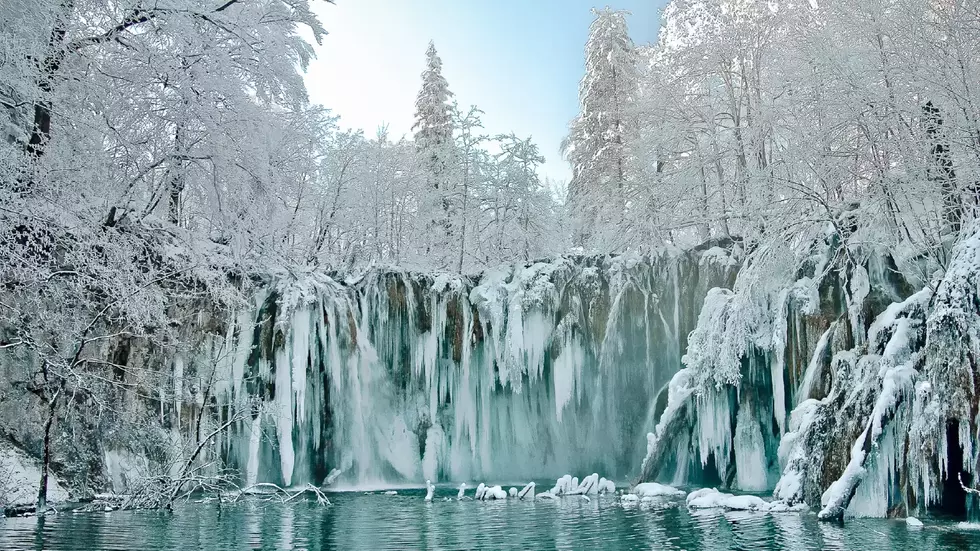
What is Croatia like in winter?
There is no single Croatian winter climate. Conditions along the Adriatic can be completely different from those in Zagreb, Lika or the mountain regions on the same day.
| Region | Typical winter conditions | Best for |
|---|---|---|
| Adriatic coast | Milder than inland Croatia, but rain, damp conditions and strong winds are possible | Historic cities, food, museums and coastal walks |
| Zagreb and inland Croatia | Colder, with frost, fog and occasional snow | Advent, museums, cafés, thermal spas and cultural trips |
| Lika and mountain regions | Coldest conditions and the greatest likelihood of snow or ice | Winter scenery and weather-dependent outdoor trips |
Short daylight hours make early starts more useful for national parks, road trips and outdoor sightseeing. Winter weather can also change quickly, so keeping an indoor alternative for poor-weather days is sensible.
Croatia in December, January and February
Croatia in December
December is the best winter month for travelers who want festive atmosphere. Zagreb has the country's largest Advent programme, while Dubrovnik, Split and other cities organize Christmas markets, concerts and New Year's events.
For winter 2026/27, Advent in Zagreb runs from 28 November 2026 to 7 January 2027.
Best choices: Zagreb for Advent, Dubrovnik for Old Town atmosphere and Split for a milder coastal city break.
Croatia in January
January becomes much quieter once New Year's celebrations finish. This is a good month for museums, cafés, thermal spas, food-focused trips and city sightseeing without crowds.
Snow is possible inland, while the coast remains milder but can experience periods of rain and strong bura winds.
Best choices: Zagreb, Istria, Zagorje and flexible visits to Plitvice Lakes.
Croatia in February
February remains firmly off-season but brings gradually longer days and some of Croatia's most distinctive carnival traditions.
Rijeka becomes particularly interesting during carnival season. The 2027 Rijeka Carnival runs from 17 January to 10 February 2027, with the International Carnival Parade scheduled for 7 February 2027.
Best choices: Rijeka for carnival, Dubrovnik for winter cultural events and Zagreb for a quieter city break.
Best places to visit in Croatia in winter
The best Croatian winter destinations are places that remain active year-round and do not depend entirely on beaches, boats and seasonal tourism.
Zagreb in winter: Croatia's best winter city break
Zagreb is Croatia's strongest all-round winter destination. Museums, restaurants, cafés, markets and cultural attractions operate throughout the colder months, while December adds the country's largest Christmas programme.
Advent in Zagreb spreads across squares and parks throughout the city centre with Christmas stalls, concerts, food, decorations and seasonal events. Snow can make the Upper Town particularly atmospheric, but snowfall should never be assumed when planning a December visit.
- Best for: Advent, museums, food, café culture and short winter breaks
- Best period: Late November to early January for festive atmosphere
- Good to know: Zagreb works equally well without snow
- Plan more: Zagreb travel guide
Private Walking Tour of Zagreb with Funicular Experience
Discover Zagreb's historic centre, markets and landmarks on a guided walking tour.
The itinerary covers central sights including Zrinjevac, Dolac Market, Zagreb Cathedral and the Strossmayer Promenade, together with additional historic locations and a funicular ride.
Plitvice Lakes in winter: beautiful, but with reduced access
Plitvice Lakes National Park is far quieter in winter than during the main visitor season, and snow, frost or partially frozen waterfalls can create spectacular scenery when conditions cooperate.
However, a winter visit is not simply the summer park experience without crowds. During the winter period, the Lower Lakes are normally the main sightseeing area, while the Upper Lakes are usually closed until weather conditions allow reopening in spring.
Snow and ice can also affect boardwalks, walking routes, transport within the park and other facilities. Frozen waterfalls and deep snow are possible but never guaranteed.
- Best for: Nature, photography and quiet winter scenery
- Main advantage: Far fewer visitors than in summer
- Main limitation: Reduced route access
- Essential: Check current conditions immediately before travelling
- Plan more: Plitvice Lakes travel guide
Check current Plitvice Lakes conditions and alerts
Plitvice Lakes with Ticket & Rastoke Small Group Tour from Zagreb
Visit Rastoke and Plitvice Lakes on a full-day excursion from Zagreb.
Winter route availability inside the national park depends on current conditions, so confirm the operating itinerary before booking a specific departure.
Zagorje in winter: thermal spas and castles
Zagorje, immediately north of Zagreb, is one of Croatia's easiest winter countryside escapes. Its combination of thermal spas, castles, rolling hills and small towns works particularly well when outdoor sightseeing needs to be balanced with warm indoor activities.
Thermal facilities such as Terme Tuhelj and other spa complexes operate throughout winter, while Trakošćan Castle is an appealing cultural stop regardless of whether snow is present.
- Best for: Thermal spas, couples, wellness and short countryside breaks
- Best pairing: Zagreb plus one or two nights in Zagorje
- Good to know: Snow adds atmosphere but is not guaranteed
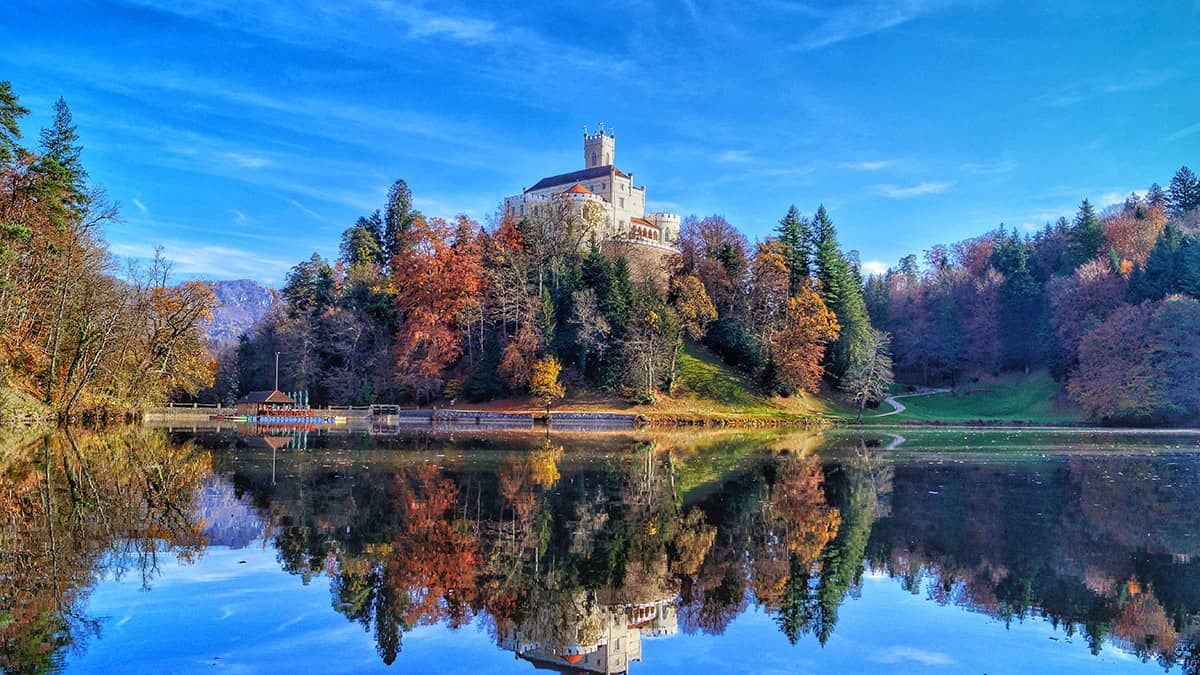

Slunj and Rastoke in winter
Slunj and the historic mill village of Rastoke make a useful stop between Zagreb and Plitvice Lakes. Rivers, waterfalls and traditional wooden buildings remain attractive year-round, while winter brings substantially fewer visitors.
Cold weather can create mist, frost or ice along the waterways, but these effects vary from year to year. Winter is best for short walks and photography rather than assuming specific snow conditions.
- Best for: Photography, scenic road trips and a quiet stop near Plitvice
- Good to know: Paths can be slippery during freezing weather
- Best use: Combine with a Zagreb-to-Plitvice itinerary
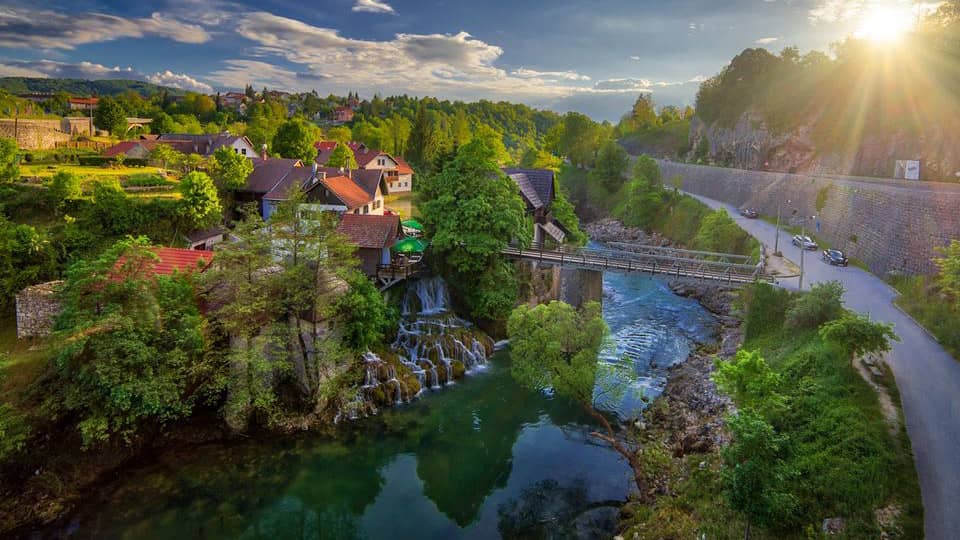
Dubrovnik in winter: quiet Old Town sightseeing
Dubrovnik is one of Croatia's best winter choices for travelers who want to experience a famous historic city without peak-season crowds. The Old Town is easier to explore, museum visits are less rushed and cooler temperatures suit walking the historic centre.
The Dubrovnik Winter Festival normally brings markets, concerts and festive events through the Advent and New Year period. Exact dates and programmes change each year, so check the current festival schedule before planning around a particular event.
Dubrovnik Carnival is a separate winter tradition held later in the season rather than part of the Christmas festival. February also brings events associated with Dubrovnik's traditional carnival period and the Feast of St Blaise.
- Best for: Historic sightseeing, culture and quieter Old Town walks
- Winter highlight: Dubrovnik Winter Festival in the Advent/New Year period
- Trade-off: Some seasonal restaurants, excursions and boat services operate less frequently
- Plan more: Dubrovnik travel guide
Split in winter: history, food and local life
Split remains a functioning city throughout winter, making it more dependable than a small seasonal resort. The historic centre around Diocletian's Palace remains lively, while cooler temperatures make exploring ancient streets more comfortable.
The Riva Promenade, cafés and restaurants remain central to everyday life even outside the main visitor season.
- Best for: History, food, city breaks and a milder coastal base
- Main advantage: A substantial local population keeps the city active year-round
- Trade-off: Island and excursion schedules are much more limited than in summer
- Plan more: Split travel guide
Rijeka in winter: Croatia's carnival city
Rijeka combines year-round urban life with one of Croatia's strongest reasons to travel in January and February: Rijeka Carnival.
The 2027 carnival season runs from 17 January to 10 February, with the International Carnival Parade scheduled for 7 February 2027. Beyond carnival, Korzo, Trsat Castle, museums, theatres and cafés make Rijeka a practical winter city break.
Strong bura winds can make the Kvarner region feel considerably colder than the temperature suggests, so windproof clothing is particularly useful.
- Best for: Carnival, urban culture and off-season coastal travel
- Winter highlight: International Carnival Parade on 7 February 2027
- Good to know: Bura can be strong in winter
Zadar in winter: relaxed coastal sightseeing
Zadar combines an easily walkable historic centre with a waterfront that remains interesting in winter. The Sea Organ and Greetings to the Sun are year-round attractions, while the Roman Forum and historic centre can be explored without summer crowds.
- Best for: Short coastal breaks, history and waterfront walks
- Main advantage: Compact historic centre and local year-round life
- Good to know: Strong wind and rain can affect outdoor plans
- Plan more: Zadar travel guide
Istria in winter: food, wine and hill towns
Istria is one of Croatia's strongest winter regions for travelers interested in gastronomy, wine, olive oil, hill towns and slower road trips.
Winter is well suited to exploring inland villages and producers, while coastal towns such as Rovinj become dramatically quieter outside the summer season.
Some coastal venues close or reduce their hours, so winter Istria works better as a food-and-culture trip than as a resort holiday.
- Best for: Food, wine, couples and road trips
- Winter highlights: Truffles, local restaurants, wineries and quiet historic towns
- Start here: Istria region guide
Winter events and festivals in Croatia
Winter events give several Croatian cities a strong seasonal identity. December is dominated by Advent and New Year programmes, while January and February bring carnival traditions.
Advent Zagreb 2026/27
Advent in Zagreb runs from 28 November 2026 to 7 January 2027. Events are spread across central squares, parks and public spaces rather than concentrated in a single Christmas market.
Dubrovnik Winter Festival
The Dubrovnik Winter Festival normally takes place through the Advent and New Year period, with markets, performances and open-air events in and around the Old Town. Check the current edition before planning around individual concerts or exact dates.
Rijeka Carnival 2027
Rijeka Carnival runs from 17 January to 10 February 2027, with the International Carnival Parade on 7 February 2027. This makes Rijeka one of Croatia's most distinctive February destinations.
New Year's Eve
Zagreb, Dubrovnik, Split and other larger cities commonly hold public concerts and countdown events. Accommodation can be significantly more expensive around New Year's Eve than during quieter parts of January and February, so winter should not automatically be treated as a low-price season on major event weekends.
Can you ski in Croatia?
Yes, when snow and operating conditions allow. Sljeme above Zagreb and Platak near Rijeka are Croatia's best-known small ski areas, but neither should be treated as a substitute for a major Alpine ski resort.
Sljeme can provide skiing and snowboarding above Zagreb when snowmaking and weather conditions permit.
Platak near Rijeka can also operate ski slopes during suitable winter conditions, with the unusual possibility of views towards the Kvarner coast and islands.
Opening dates, slopes and lifts can change quickly with temperature and snow conditions. Treat skiing as a potential addition to a Croatian winter trip rather than the main reason to book one.
Are Croatian islands worth visiting in winter?
Sometimes. Croatian islands can be rewarding in winter for travelers seeking quiet waterfronts, walking and everyday island life, but they are much less suitable for visitors expecting beach clubs, organised excursions, nightlife or frequent connections.
Many essential island ferry routes operate year-round, but frequencies are reduced and some seasonal fast-boat and tourist services stop completely outside the main season. Strong winds can also cause delays or cancellations.
If an island is not essential to your trip, using Split or Dubrovnik as a mainland base and adding an island only when weather and schedules cooperate is usually the safest winter strategy.
- Elaphiti Islands: useful for a quiet outing from Dubrovnik when connections and weather cooperate
- Mljet: best for nature and solitude rather than organised activities
- Brač and Hvar: year-round communities make selected routes possible, but expect a much quieter experience than in summer
Do not assume that every ferry or catamaran route shown in a summer guide operates in winter. Check the specific service for your dates.
Getting around Croatia in winter
Driving
A car gives the greatest flexibility for places such as Zagorje, Rastoke, Istria and Plitvice Lakes, but snow, ice and strong winds can affect road conditions quickly.
Use the Croatian Auto Club traffic report for current road conditions, wind restrictions and closures before setting out.
Check live road conditions on HAK
- Allow extra time through Lika, Gorski Kotar and other higher inland areas.
- Strong bura can restrict traffic on exposed roads and bridges along the coast.
- Confirm winter equipment requirements with your rental company before travelling inland.
See our Croatian motorway guide for general road and toll information.
Ferries
Many essential Croatian island routes operate throughout winter, but frequencies are lower than in summer and some seasonal services disappear completely.
Weather can also interrupt individual sailings. Recheck the operator's current timetable and service notices shortly before departure rather than relying on an itinerary planned months earlier.
Jadrolinija official schedules
Buses and trains
Long-distance buses are useful between major cities throughout winter, although services to smaller destinations may be less frequent. Rail is particularly useful around Zagreb and selected inland routes but is not the primary way to reach most Dalmatian coastal destinations.
- Zagreb: main bus station | main train station | tram network
- Split: main bus station | train station
Flights
Winter flight schedules are smaller than summer schedules, particularly at coastal airports. Zagreb has the strongest year-round network, while seasonal international routes to the coast may disappear until spring.
What's open in winter and what may be limited?
Croatia does not close in winter, but destinations that depend heavily on summer tourism can become dramatically quieter.
Usually reliable year-round
- Large cities: Zagreb, Split, Dubrovnik, Rijeka and Zadar remain active
- Museums and cultural sights: generally among the most dependable winter attractions
- Restaurants and cafés: plenty remain open in larger cities and local centres
- Intercity transport: buses, roads and core transport services continue year-round
- Major national parks: often open, but routes and facilities can be reduced because of winter conditions
More likely to be reduced or closed
- Boat excursions and water activities
- Seasonal island catamarans and tourist ferry routes
- Beach clubs and summer-only waterfront bars
- Some island and resort restaurants
- Outdoor attractions affected by snow, ice, wind or short daylight hours
If a specific attraction, restaurant or ferry is essential to the trip, verify its winter hours rather than assuming summer information still applies.
What to pack for Croatia in winter
Layers are more useful than packing for one fixed temperature because weather differs so much between the Adriatic and inland Croatia.
- Layered clothing: easy to adjust between heated interiors and outdoor sightseeing
- Waterproof and windproof outer layer: especially useful on the Adriatic coast
- Shoes with good grip: for wet stone streets, rain, frost or icy paths
- Hat, scarf and gloves: particularly useful in Zagreb, Plitvice and inland Croatia
- Warmer footwear and jacket: for mountain areas and winter national-park visits
- Portable charger: useful during long sightseeing days and cold-weather trips
For Plitvice Lakes and other nature destinations, prioritize grip and weather protection over fashionable city footwear.
Winter itinerary ideas for Croatia
Winter routes work best with fewer overnight bases than a typical summer trip. Keeping a flexible day for poor weather also makes the itinerary much easier to manage.
3 to 4 days: Zagreb
- Day 1: Central Zagreb, Lower Town and café culture
- Day 2: Upper Town, museums and galleries
- Day 3: Zagreb or a Zagorje spa/castle excursion
- Day 4: Additional city time or a flexible countryside trip
This is the strongest short winter itinerary, particularly during Advent.
5 to 7 days: Zagreb, Plitvice and one coastal city
- Days 1 to 2: Zagreb
- Day 3: Rastoke and overnight near Plitvice
- Day 4: Plitvice Lakes, with the programme adapted to current winter access
- Days 5 to 7: Choose Split, Zadar, Rijeka or Dubrovnik as a single coastal base
Avoid trying to add several islands or multiple coastal cities to a one-week winter itinerary.
7 to 10 days: balanced Croatia winter trip
- Days 1 to 3: Zagreb and optional Zagorje day trip
- Days 4 to 5: Plitvice Lakes and Rastoke
- Days 6 to 8: Split, Zadar or Rijeka
- Days 9 to 10: Optional Istria or Dubrovnik depending on the direction of travel
Winter planning rule: use major cities as bases and add islands or exposed outdoor trips only when the forecast and transport schedules cooperate.
Who should visit Croatia in winter?
Croatia in winter is a good choice if you want:
- historic cities without summer crowds;
- Advent markets and carnival events;
- museums, cafés, restaurants and cultural sightseeing;
- food-and-wine road trips;
- thermal spas and inland countryside;
- atmospheric national-park scenery rather than summer swimming.
Another season is probably better if your main priorities are:
- warm beaches and swimming;
- frequent island hopping;
- summer nightlife;
- daily boat excursions;
- long daylight hours;
- predictably warm outdoor weather.
Winter Croatia works best when you travel for the season that actually exists rather than trying to reproduce a July holiday in January.
FAQ - Visiting Croatia in winter
Is Croatia worth visiting in winter?
Yes. Croatia is especially worthwhile in winter for city breaks, culture, food, Christmas events, carnival celebrations and sightseeing without peak-season crowds. It is less suitable for travelers whose main goal is beaches or extensive island hopping.
How cold is Croatia in winter?
Conditions vary significantly. The Adriatic coast is generally milder but can be wet and windy, while Zagreb and inland Croatia are colder with frost, fog and occasional snow. Mountain areas have the greatest likelihood of sustained snow and ice.
Can you visit Plitvice Lakes in winter?
Yes, but winter access is reduced. The Lower Lakes are normally the main sightseeing area during the coldest period, while the Upper Lakes are usually closed until conditions allow reopening in spring. Always check current park conditions before travelling.
Do ferries run in winter in Croatia?
Many essential island ferry routes operate year-round, but frequencies are lower and some seasonal catamaran and tourist services do not operate during winter. Weather can also cause cancellations.
Are Dubrovnik and Split open in winter?
Yes. Dubrovnik and Split remain active year-round, with historic sights, museums, cafés and restaurants open throughout winter. Some seasonal businesses and excursions operate on reduced schedules.
What is the best winter month for Croatia?
December is best for Advent and Christmas atmosphere. January is quieter and works well for culture, spas and city breaks. February is particularly interesting for carnival events, especially in Rijeka.
When is Advent in Zagreb 2026/27?
Advent in Zagreb runs from 28 November 2026 to 7 January 2027.
When is Rijeka Carnival 2027?
Rijeka Carnival runs from 17 January to 10 February 2027, with the International Carnival Parade on 7 February 2027.