
The present Dubrovnik Natural History Museum opened in Andrović Palace in 2009, but its collections and institutional history date back to the founding of the Museo Patrio in 1872. Today the museum combines historic specimens with collections documenting the wildlife, geology and changing biodiversity of the Dubrovnik region.
Dubrovnik Natural History Museum quick overview
| Best for | Adriatic wildlife, historic natural history collections and families |
|---|---|
| Time needed | About 30-45 minutes |
| Adult ticket | €8 |
| Student / school ticket | €5 |
| Family ticket | €20 |
| Location | Andrović Palace, Dubrovnik Old Town |
| Top highlights | Adriatic fish, birds, shells, minerals and historic taxidermy specimens |
Is the Dubrovnik Natural History Museum worth visiting?
The museum is most worthwhile for families, children and visitors interested in Adriatic wildlife and the natural history of southern Croatia. It is relatively small, so it also works well as a short indoor stop while exploring Dubrovnik Old Town.
30-45 minutes should be enough for a normal visit.
What to see inside the museum
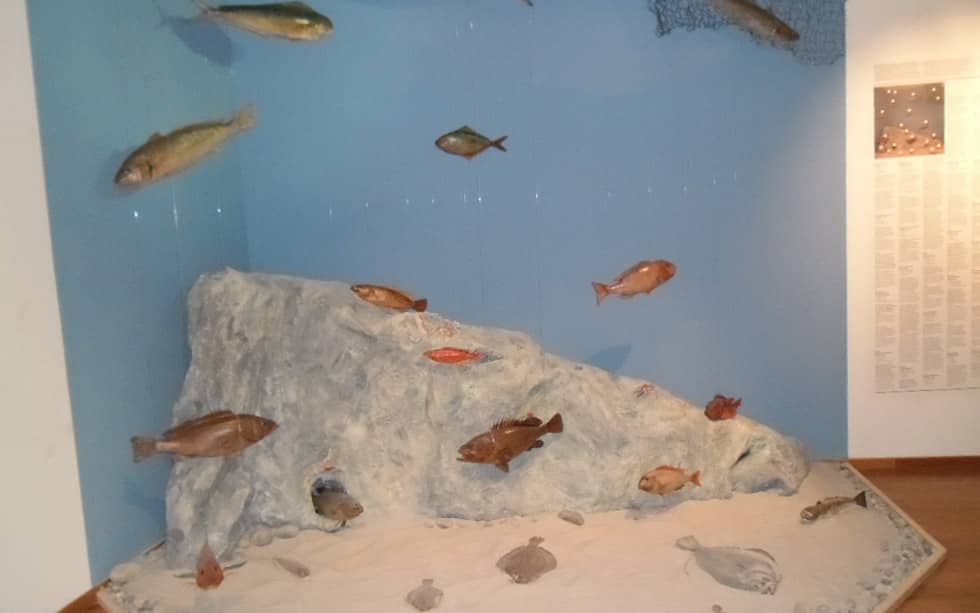
The museum preserves collections of fish, birds, mammals, reptiles and amphibians, molluscs, algae, minerals and rocks.
Fish of the Dubrovnik region
The fish collection has been developed since the museum's earliest years. Naturalist and taxidermist Baldo Kosić assembled an almost complete collection of fish from the Dubrovnik region between 1882 and 1917.
Historic specimens include a thresher shark, smooth hammerhead and parts of a very large tuna caught near Hodilj on the Pelješac Peninsula at the end of the 19th century.
Leatherback sea turtle
One of the museum's most unusual historic specimens is a male leatherback sea turtle recorded in the Adriatic in 1894. The animal measured more than two metres and weighed around 500 kilograms.
Baldo Kosić prepared the specimen, which remains one of the most impressive objects in the museum's reptile and amphibian collection.
Birds and mammals
The bird collection includes more than 1,000 museum objects and represents hundreds of species from Croatian fauna. Kosić was responsible for much of the early collection of birds from the Dubrovnik area.
The mammal collection includes historically important specimens such as an otter from Zaton and a Mediterranean monk seal from Molunat, providing evidence of species once present along the southern Croatian coast.
Shells, algae, minerals and rocks
The museum also preserves one of its oldest collections of molluscs, including sea snails, bivalves and cephalopods from southern Dalmatia.
Its algae herbarium contains material collected by naturalists including Matija Botteri and Marija Selebam de Cattani, while the mineral and rock collection developed from specimens gathered by museum founder Antun Drobac and other Dubrovnik collectors.
From Museo Patrio to today's museum
The museum's story began in 1872 with the establishment of the Museo Patrio, or Patriotic Museum. Its foundations were closely connected with the private natural history collection of Dubrovnik pharmacist and naturalist Antun Drobac.
The Museo Patrio opened to the public in 1873. After Drobac's death in 1882, Baldo Kosić became director and greatly expanded the natural history holdings, especially the collections of fish, birds, reptiles, amphibians and mammals from the Dubrovnik region.
Over the following century the collections moved between several buildings and survived war, earthquakes and periods without suitable exhibition space. The present Dubrovnik Natural History Museum opened in Andrović Palace in 2009.
The museum is part of the wider selection of museums in Dubrovnik.
Tickets
| Ticket | 2026 price |
|---|---|
| Adult | €8 |
| Schoolchildren and students | €5 |
| Family ticket | €20 |
| Combined 10-museum ticket - adult | €20 |
| Combined ticket - schoolchildren and students | €10 |
| Combined family ticket | €45 |
The family ticket is valid for up to two adults with children of the family aged 14 or younger.
The combined museum ticket is valid for seven days from its first use and includes 10 participating Dubrovnik museums and galleries.
Children under 7 and residents of Dubrovnik-Neretva County currently receive free admission.
The Natural History Museum is also currently included among the city museums and galleries covered by the Dubrovnik Pass.
Opening hours
June 1-October 31
Monday-Saturday: 10:00-18:00
Sunday and public holidays: closed
November 1-May 31
Monday-Friday: 10:00-17:00
Saturday: 10:00-14:00
Sunday and public holidays: closed
Dubrovnik Super Saver:
Cable Car Ride and Old Town Walking Tour plus City Walls
Embark on an unforgettable journey through the stunning city of Dubrovnik, renowned for its breathtaking architecture and rich history. Stroll along the narrow and winding streets of the UNESCO World Heritage Site of Dubrovnik Old Town. Be awe-inspired by the mesmerizing views from the 16th-century city walls, and take your experience to the next level by taking a cable car ride to Mt. Srd for panoramic views of the city.
Book your tour now and discover Dubrovnik with a knowledgeable tour expert.
How to find the museum
The Natural History Museum is inside Andrović Palace at Androvićeva 1 in Dubrovnik Old Town. It stands at the corner of Androvićeva Street and the Baroque staircase leading toward Poljana Ruđera Boškovića and the Jesuit area.
The museum does not have the appearance of a large standalone attraction from the street, so look for the museum signage when you reach Androvićeva Palace.
Accessibility and photography
The museum currently states that it does not provide special-needs access. If step-free access is important, contact the museum directly before visiting.
Photography and video for normal visitor use are currently permitted.
Address and official information
Dubrovnik Natural History Museum
Androvićeva 1
20000 Dubrovnik
Croatia
Official website: Dubrovnik Natural History Museum