
Zagreb's Typhlological Museum is one of the city's most unusual specialist museums, exploring the history, education, everyday life and artistic expression of blind and visually impaired people. Its permanent exhibition combines historical objects, Braille and other writing systems, assistive technology, tactile displays and the museum's distinctive Dark Room.
The word typhlological comes from the Greek words typhlos, meaning blind, and logos, meaning speech, thought or study. The museum is particularly interesting for visitors interested in social history, accessibility and museums that offer a more interactive experience.
Typhlological Museum Zagreb quick overview
| Best for | Social history, accessibility, Braille and interactive exhibits |
|---|---|
| Time needed | About 45-75 minutes |
| Adult ticket | €5 |
| Students and schoolchildren | €4 |
| Family ticket | €13 |
| Opening hours | Monday-Friday 09:00-16:00 |
| Closed | Saturday and Sunday |
| Top highlight | The Dark Room |
| Location | Draškovićeva 80, second floor |
Last admission is 45 minutes before closing.
Is the Typhlological Museum worth visiting?
Yes, especially if you enjoy unusual museums, social history or interactive exhibitions. It is much smaller than Zagreb's major national museums, but its specialist subject and tactile displays make it very different from a conventional art or history museum.
The Dark Room is the best-known part of the museum, but the permanent exhibition also covers Braille, the education of blind children, assistive technology and artworks by blind artists.
Allow around 45-75 minutes for a normal visit. Visitors who read the historical displays carefully or spend more time with the tactile and interactive exhibits may stay longer.
What to see at the Typhlological Museum
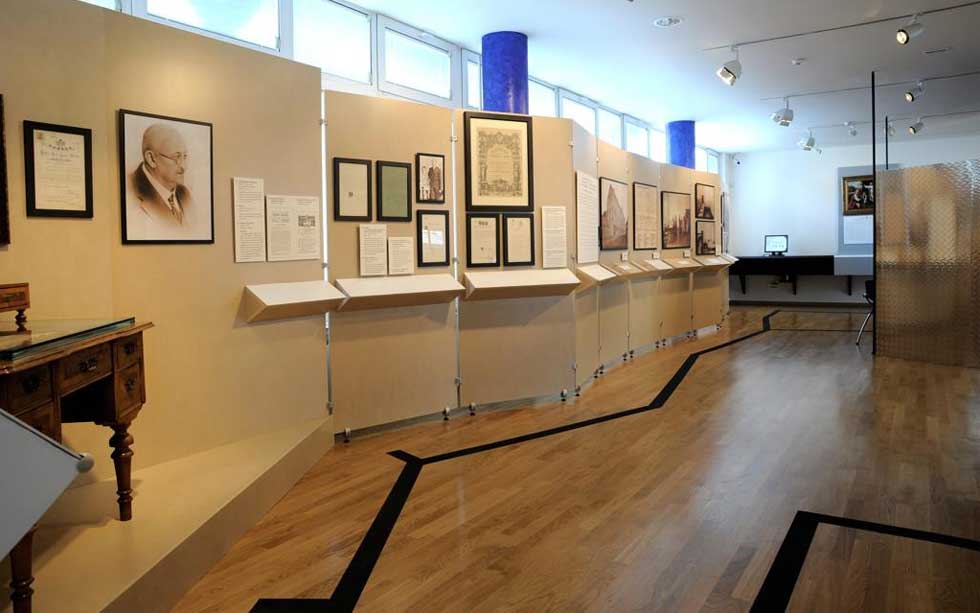
The permanent exhibition combines historical material with tactile and sensory elements designed to explain how blind and visually impaired people have studied, worked, communicated and created art.
The Dark Room
The Dark Room is a completely dark sensory space where sighted visitors move without visual information and rely more heavily on touch, hearing and spatial awareness.
The museum describes the experience as an attempt to simulate receiving information from the environment without using sight. Staff can provide assistance if needed.
It is one of the museum's most memorable exhibits and a useful introduction to the wider themes of perception, independence and accessibility explored throughout the permanent display.
Braille and writing systems for blind people
The museum explains the development of writing and reading systems used by blind people, including raised and embossed scripts and the later adoption of Braille.
Historical teaching materials, writing equipment and Braille machines help show how access to written information changed over time.
The exhibition also follows the development into modern technology, including computers, screen readers, speech synthesisers and Braille displays.
Education of blind children
Another section explores the development of organised education for blind children in Croatia.
The first National Institute for the Education of Blind Children in Zagreb opened in 1895. Historical documents, school material and photographs show how education, training and daily life at the institution developed over time.
Art by blind artists
The museum also displays artworks created by blind artists. These works form part of the museum's effort to challenge assumptions about visual impairment and artistic creativity.
Sculpture and other tactile art are particularly important because visitors can engage with form through touch rather than relying only on sight.
Everyday life and assistive technology
Objects from education, rehabilitation and everyday life document the changing tools used by blind and visually impaired people.
The museum also preserves historical ophthalmological and optical equipment, photographs and archival material connected with the history of care, education and social inclusion.
Vinko Bek and the history of the museum
The origins of the Typhlological Museum go back to Croatian teacher and typhlo-pedagogue Vinko Bek, who worked to improve education and opportunities for blind people.
In 1888, Bek began collecting teaching aids and other objects for a private collection he called the "Croatian Blind Museum". Parts of his collection were publicly exhibited in Zagreb in 1891 and later in Budapest in 1896.
Bek never succeeded in establishing a permanent museum during his lifetime, but his collection became the foundation for the institution that followed.
The Typhlological Museum opened in Zagreb in 1953, and its first permanent exhibition followed in 1956. The museum moved to Draškovićeva 80 in 1959, where it remains today.
Accessibility
Accessibility is a central part of the museum's permanent exhibition.
Features include:
- Tactile guiding strips through the exhibition
- A tactile relief map of the museum
- Braille and large-print labels
- Objects and replicas that can be explored by touch
- Audio guides
- Subtitled documentary films
- Exhibits positioned at wheelchair-accessible height
- Guides available in Braille and large print
The exhibition itself is adapted for visitors with disabilities. However, the museum states that the entrance to the building has not yet been made fully accessible.
Visitors with mobility requirements should contact the museum before travelling if step-free access is important.
Typhlological Museum tickets
| Ticket | 2026 price |
|---|---|
| Adult | €5 |
| Students and schoolchildren | €4 |
| Family ticket - parents and two children | €13 |
| Groups of more than 15 visitors - per person | €4 |
Persons with disabilities and one accompanying person, pensioners, ICOM and HMD members and accredited journalists currently receive free admission.
Checked: August 2026. Ticket prices and concessions can change.
Opening hours
Monday-Friday
09:00-16:00
Saturday-Sunday
Closed
How to get to the Typhlological Museum
The museum is at Draškovićeva 80 in central Zagreb, on the second floor of the building.
It does not look like a large standalone museum from the street, so look for the Typhlological Museum signage at number 80 before entering the building.
By tram from Zagreb Central Station
Tram lines 2, 4, 6, 9 and 13 can be used along Branimirova Street. Get off near Draškovićeva Street and continue toward the museum.
From northern central Zagreb
Tram lines 4, 8, 9 and 13 operate along Draškovićeva Street. The museum recommends using the Sheraton stop and continuing on foot to number 80.
From Zagreb Bus Station
Tram lines 2, 6 and 8 run along Branimirova Street from the bus-station direction. Get off near Branimir Centar and continue on foot.
Tactile guiding strips connect several nearby tram stops with the museum building.
See our guide to Zagreb tram lines for more information about getting around the city.
Old Zagreb Private Tour
Discover the history, culture, and modern way of life of Zagreb, the capital of Croatia, on this two-hour introduction tour.
With a leisurely pace, you'll explore the medieval precursors of Zagreb, Gradec and Kaptol, as well as all the essential sights of the city, including Ban Jelačić Square, Stone Gate, St. Mark's Church, Lotrščak Tower, and Zagreb Cathedral, among many others. Along the way, your knowledgeable guide will provide recommendations for places to visit during your free time, ensuring that you have an informative and enjoyable experience.
More museums in Zagreb
The Typhlological Museum is a specialist museum and offers a very different experience from Zagreb's larger collections. See our full guide to museums in Zagreb for more options.
Address and official information
Typhlological Museum
Draškovićeva 80, second floor
10000 Zagreb
Croatia
Official website: Typhlological Museum