
Sailing in Croatia combines short island-to-island passages, historic coastal towns, sheltered bays and one of the Mediterranean's largest yacht-charter markets. From Istria and the Kornati archipelago to Hvar, Vis, Korčula, Mljet and the Elaphiti Islands, there are routes for experienced bareboat crews as well as travelers who would rather hire a skipper or book a fully crewed yacht.
The best sailing area depends on your experience, the time of year and what you want from the trip. Central Dalmatia offers the classic first-time island-hopping experience, Zadar and Šibenik are excellent for dense archipelagos and protected areas, while Dubrovnik is a strong starting point for quieter routes through southern Dalmatia.
Why sail in Croatia?
Croatia's deeply indented Adriatic coast and more than 1,200 islands, islets and reefs create an unusually varied sailing area. Distances between many islands are relatively short, yet routes can combine remote anchorages, national parks, small fishing villages and historic cities.
Popular sailing regions include Pula and Kvarner in the north, Zadar and the Kornati archipelago, Šibenik, Split and the central Dalmatian islands, and Dubrovnik and southern Dalmatia.
Croatia is especially attractive to charter guests because you can choose anything from a small bareboat sailing yacht to a skippered catamaran or a fully crewed luxury yacht. However, easy-looking island distances should not be confused with risk-free sailing: crews still need to plan for weather, exposed channels, busy harbours and changing sea conditions.
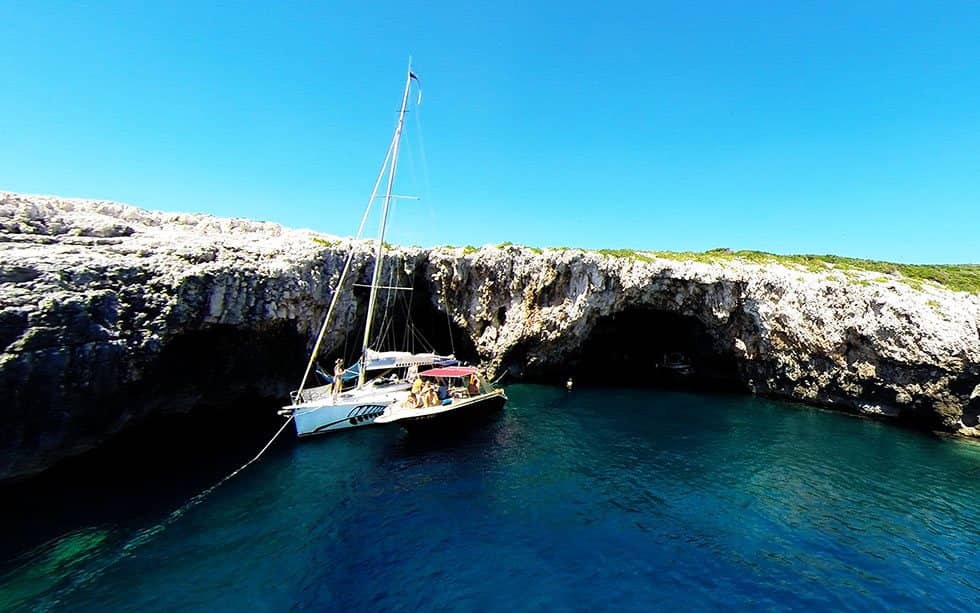
Bareboat, skippered or crewed yacht?
There are three main ways to organize a sailing holiday in Croatia. The right choice depends less on budget alone than on how much responsibility you want to take for navigation, weather decisions, manoeuvring and daily planning.
| Charter type | Best for | Experience needed | What you manage |
|---|---|---|---|
| Bareboat | Experienced sailors who want maximum independence | Appropriate accepted skipper qualifications and practical experience | Navigation, manoeuvring, weather, route, provisioning and daily boat operation |
| Skippered | First-time charter groups and travelers who want local sailing knowledge | No skipper qualification required for guests | You choose the style of trip while the skipper handles the yacht and navigation |
| Crewed yacht | Travelers prioritizing service and relaxation | None | Professional crew handle sailing and day-to-day operation; meal service may also be included |
What do you need to charter a bareboat in Croatia?
For a bareboat charter, the skipper must hold a certificate accepted by the Croatian authorities for the type and size of vessel being chartered. Do not assume that every sailing qualification issued abroad is automatically accepted in Croatia.
Before paying the final balance, confirm your skipper certificate and any required radio/VHF qualification with the charter company and check Croatia's current list of recognized foreign certificates. Charter companies may also ask for evidence of practical sailing experience.
With a bareboat charter, you are responsible for route planning, harbour and anchoring decisions, provisioning, fuel, marina arrangements and adapting the itinerary to the weather. For experienced sailors, that independence is one of the main attractions.
See our guide to renting a boat in Croatia for more general charter information.
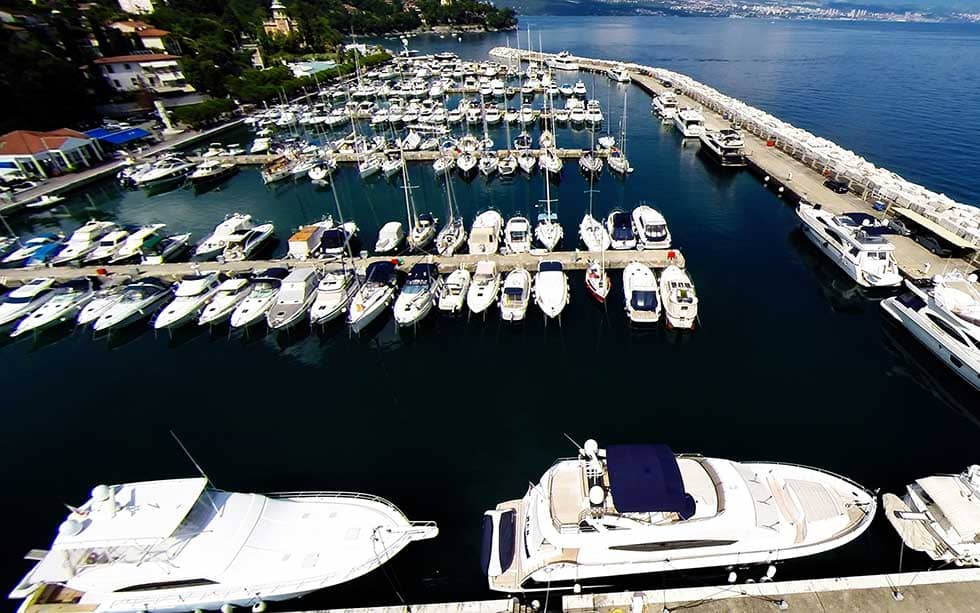
Boat rental in Croatia with a professional skipper
A skippered charter is often the easiest option for travelers who want the freedom of a private yacht without taking responsibility for boat handling and navigation. The skipper manages the vessel and can help adapt the route to weather, harbour availability and the preferences of the group.
You still retain much of the flexibility of a private charter. Depending on the arrangement, you can provision the yacht yourselves, eat ashore, spend nights in marinas or anchorages and discuss the following day's route directly with the skipper.
This is also a good option for competent sailors who do not hold a certificate accepted for bareboat charter in Croatia or who simply want to spend more of the holiday relaxing.
Crewed yacht charter in Croatia
A fully crewed yacht adds a higher level of service. Depending on the vessel, the crew may include a captain, deckhand, host or chef who take care of sailing, boat operations and some or all meals.
Crewed yachts range from modern sailing yachts and catamarans to larger motor yachts and traditional-style vessels. Routes may be discussed in advance, but they still need to remain flexible enough for weather and sea conditions.
This is generally the most comfortable option for groups who want a private sailing experience without being responsible for the practical work of running the yacht.
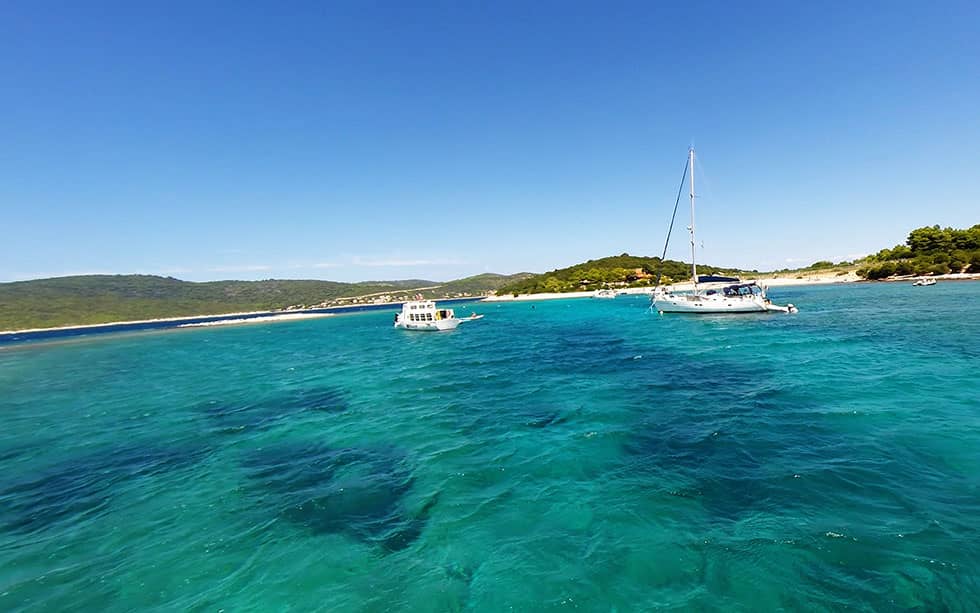
Best sailing regions in Croatia
There is no single best place to sail in Croatia. The northern Adriatic, Kornati, central Dalmatian islands and Dubrovnik region offer noticeably different trips.
| Sailing region | Best for | Main highlights | Main trade-off |
|---|---|---|---|
| Istria and Kvarner | Historic towns and a less typical Croatian charter route | Brijuni, Cres, Lošinj, Rab, Opatija | Routes can involve more exposed passages than sheltered central-island hopping |
| Zadar and Kornati | Dense island hopping and quieter anchorages | Dugi Otok, Kornati, Silba, Premuda | Navigation among many islands and channels rewards careful planning |
| Šibenik region | Protected areas and flexible one-week itineraries | Kornati, Prvić, Zlarin, Šibenik | Popular harbours and national-park areas can be busy in summer |
| Split and Trogir | First-time Croatia charters and classic island routes | Šolta, Brač, Hvar, Vis | Hvar and other famous stops are exceptionally busy in July and August |
| Dubrovnik and southern Dalmatia | Historic towns, quieter islands and relaxed southern routes | Elaphiti Islands, Mljet, Korčula, Pelješac | Fewer islands are packed immediately around the base than in the Kornati region |
Istria and Kvarner
Northern Adriatic sailing can combine the Istrian coast with the Kvarner islands. Brijuni National Park, Cres, Lošinj, Rab and the historic resort towns around Kvarner make this region particularly attractive to sailors who have already seen central Dalmatia or want a different side of Croatia.
Zadar and Kornati
Zadar is a useful base for exploring the exceptionally dense island landscape of the northern Dalmatian coast. Dugi Otok, Silba, Premuda and the wider Kornati area provide a mixture of small settlements, protected bays and remote-looking anchorages.
Do not treat the region as automatically easy simply because islands are close together. Local winds, narrow channels and exposed stretches still require normal passage planning.
Šibenik and central Dalmatia
Šibenik provides access to the Kornati area while also making it possible to combine smaller inhabited islands with the historic city itself. The concentration of marinas and island choices gives crews considerable flexibility when weather or berth availability changes the original route.
Split and Trogir
Split and nearby Trogir are among the most practical bases for a classic first Croatia sailing trip. Popular routes connect Šolta, Brač, Hvar and Vis, allowing crews to combine historic island towns with anchorages and swimming stops.
The disadvantage is popularity: the best-known harbours can become crowded during peak summer, so keeping alternative overnight stops in mind is important.
Dubrovnik and southern Dalmatia
Sailing from Dubrovnik opens routes towards the Elaphiti Islands, Pelješac, Korčula and Mljet National Park.
Southern Dalmatia is particularly attractive to crews who want a less frantic itinerary built around Šipan, Mljet and Korčula rather than trying to race all the way to central Dalmatia in a single week.
For local charter planning, see our guide to renting a boat in Dubrovnik.
Sample sailing routes in Croatia
A sailing itinerary should always remain flexible. Wind, sea state, harbour availability and crew preferences can make a different overnight stop the sensible choice.
7 days from Split or Trogir
A classic first-time central Dalmatian itinerary can combine Šolta, Vis, Hvar and Brač before returning to the charter base. This gives a good mixture of longer sailing legs, historic towns and quieter bays without trying to cover too much coastline.
Possible route: Split/Trogir → Šolta → Vis → Hvar → Brač → Split/Trogir.
7 days from Zadar or Šibenik
This area works well for crews interested in island density and protected cruising grounds. A route can combine Dugi Otok or nearby islands with the Kornati area and smaller settlements closer to Šibenik.
Possible route: Zadar/Šibenik → Dugi Otok → Kornati → Murter/Prvić area → Šibenik/Zadar.
7 days from Dubrovnik
A southern itinerary can remain entirely within the Dubrovnik, Elaphiti, Mljet and Korčula area rather than spending much of the week covering long distances.
Possible route: Dubrovnik → Elaphiti Islands → Mljet → Korčula → Šipan/Pelješac → Dubrovnik.
10–14 days from Split to Dubrovnik
With more time, a one-way route can connect central and southern Dalmatia without rushing. Hvar or Vis can be combined with Korčula, Mljet and the Elaphiti Islands before finishing in Dubrovnik.
One-way charter fees, boat availability and return logistics should be confirmed before booking.
Best time to sail in Croatia
The main Croatian sailing season runs from spring into autumn, with the most dependable range of charter services concentrated between May and October. Conditions and the atmosphere change significantly during that period.
- May: quieter marinas and cooler sea temperatures, with more variable weather than midsummer.
- June: long daylight hours, increasingly warm water and generally less harbour pressure than July and August.
- July and August: warmest and busiest period, with the greatest demand for yachts, popular harbours and marina berths.
- September: warm sea temperatures and fewer visitors make this one of the strongest all-round sailing months.
- October: considerably quieter, but weather becomes less dependable and more seasonal businesses begin reducing operations.
April and late October can work for experienced crews who value quiet sailing, but they should not be treated as guaranteed beach-holiday conditions.
Croatia's sailing winds: Maestral, Bura and Jugo
Seasonal averages are useful for planning, but every crew should use the current Croatian marine forecast before making a passage.
Maestral is the familiar summer northwesterly sea breeze. It commonly develops during settled weather and can provide pleasant afternoon sailing conditions.
Bura is a northeasterly wind that can become exceptionally gusty, particularly near mountain-backed sections of the coast and through channels. Strong Bura is one of the conditions that can require a major route change or a day in harbour.
Jugo is a southeasterly wind often associated with increasing cloud, swell and unsettled conditions. It usually develops differently from the abrupt gustiness associated with Bura but can still make exposed passages uncomfortable.
Do not plan a sailing day only from a general weather app. Use current Croatian marine forecasts and local marina or charter-base advice when conditions are uncertain.
Marinas, town quays, mooring buoys and anchoring
Where you spend the night has a major effect on both the experience and the cost of a Croatia sailing holiday.
- Marina: normally offers the most complete services, such as shore power, water, toilets and showers, but is often the most expensive option.
- Town quay: puts you directly beside a village or historic town, although services and mooring arrangements vary considerably.
- Mooring buoy: common in many popular bays and often a useful compromise between marina facilities and anchoring independently.
- Anchoring: provides the most independence but requires suitable depth, holding ground, swing room and weather conditions, and is not permitted everywhere.
Popular berths can fill during July and August. Some marina networks allow transit berths to be booked ahead, while smaller quays and bays may operate differently.
Always check whether anchoring is permitted. National parks, protected areas and organized mooring fields can have specific rules.
National parks and protected sailing areas
Kornati and Mljet are among Croatia's best-known nautical destinations, but entering protected areas can involve separate tickets and boating rules.
Anchoring may be restricted in particular zones, and designated moorings or approved overnight locations may apply. Regulations can change, so check the current official nautical rules for the protected area before entering rather than relying on an older cruising guide.
What does a sailing holiday in Croatia cost?
There is no useful universal price for a week of sailing because yacht size, charter base, season and crew requirements can change the cost dramatically. The headline charter price is also only one part of the budget.
Plan for some or all of the following:
- Base yacht charter price
- Skipper, host or crew fees if not sailing bareboat
- Security deposit or damage-waiver package
- Charter or final-cleaning package where charged separately
- Fuel
- Marina, quay and mooring fees
- National-park or protected-area fees
- Food and provisioning
- Restaurant meals ashore
- Tourist tax and other applicable local charges
- Airport or marina transfers
- Optional equipment such as paddleboards or additional water-sports gear
Compare the complete list of mandatory extras rather than choosing a yacht only because its advertised weekly rate is lower.
What to check before booking a yacht in Croatia
- Confirm your skipper qualifications before paying if booking bareboat.
- Check exactly what the charter price includes, including cleaning, linen, towels, outboard motor and other mandatory packages.
- Read the security-deposit or damage-waiver terms.
- Check yacht check-in and return times. A seven-night rental does not necessarily provide seven complete sailing days.
- Confirm the charter base carefully, especially in Split and Trogir where several marinas can be used by different operators.
- Book early for July and August if a particular yacht type, catamaran or departure base matters.
- Keep your route flexible. Weather and harbour availability should always override an itinerary written months in advance.
- Check cancellation and weather policies before paying the final balance.
Yacht charter or small-ship cruise?
Private yacht charter and small-ship cruising are often marketed together, but they provide very different holidays.
| Option | Route | Privacy | Best for |
|---|---|---|---|
| Private yacht charter | Flexible and weather-dependent | Your own group | Travelers who want independence and smaller bays |
| Small-ship cruise | Mostly predetermined | Shared ship with other guests | Travelers who want island hopping without managing a yacht |
A yacht charter allows much more control over the pace and overnight stops. A small-ship cruise is closer to a conventional organized tour, with a fixed cabin, planned route and often meals or excursions included.
Practical tips for your first sailing trip in Croatia
- Do not over-plan: build alternative stops into every itinerary.
- Provision strategically: larger charter bases usually have better supermarkets than small islands.
- Carry some flexibility in the food budget: remote bays may have only one restaurant or none at all.
- Book the most popular summer berths early when possible, but do not let a reservation pressure you into sailing in unsuitable weather.
- Protect yourself from sun exposure: reflected sunlight and long hours on deck make dehydration and sunburn easy to underestimate.
- Use suitable footwear on board and ashore: Croatian waterfronts can combine smooth stone, rocks and wet marina surfaces.
- Discuss the route every day if you have a skipper: the best itinerary is the one that matches current weather and your group's pace.
Which Croatia sailing region should you choose?
Choose Split or Trogir if this is your first Croatia charter and you want the classic combination of Hvar, Brač, Šolta and Vis.
Choose Zadar or Šibenik if island density, quieter bays and the Kornati area are the main attraction.
Choose Dubrovnik if you want southern Dalmatia, the Elaphiti Islands, Mljet and Korčula without spending a short holiday racing north.
Choose Istria or Kvarner if you have already sailed Dalmatia or want historic northern Adriatic towns combined with islands such as Cres and Lošinj.
Frequently asked questions about sailing in Croatia
Do you need a licence to sail a yacht in Croatia?
For bareboat charter, the skipper needs an appropriate certificate accepted by the Croatian authorities for the vessel being chartered. Confirm your certificate and any radio qualification with the charter company before booking.
Is Croatia good for beginner sailors?
Croatia has many short island passages and sheltered routes, but beginners should not assume conditions are always easy. Travelers without sufficient boat-handling and weather experience are better suited to a skippered charter.
Is Split or Dubrovnik better for a sailing holiday?
Split and Trogir are better for the classic central Dalmatian route through islands such as Šolta, Brač, Hvar and Vis. Dubrovnik is better for a southern route through the Elaphiti Islands, Mljet and Korčula.
Is May or September better for sailing in Croatia?
Both are good shoulder-season options. May is quieter but has cooler sea temperatures and more spring variability, while September normally combines warm swimming conditions with fewer visitors than July and August.
Can you anchor anywhere in Croatia?
No. Anchoring is restricted in some harbours, organized mooring fields, national parks and protected areas. Check local rules and chart information before anchoring.
How long do you need for a Croatia sailing trip?
One week is enough for a well-planned regional route from bases such as Split, Zadar, Šibenik or Dubrovnik. Ten to fourteen days gives much more flexibility for longer one-way routes and weather-related changes.
For more planning information, see our boat rental guide for Croatia and Dubrovnik boat rental guide.