
Ferries from Split: timetables, tickets, and port guide
Planning island time from Split? This page is your quick hub for the main ferry and catamaran connections from Split, with direct links to route timetables, price lists, and practical travel tips.
Split is Central Dalmatia’s busiest sea gateway, with year-round sailings to islands such as Brač, Hvar, Vis, Šolta, Korčula, and Lastovo, plus seasonal international routes to Italy when operating. Services are run by a mix of car-ferry and fast-boat operators, including Jadrolinija, TP Line, and Kapetan Luka (Krilo), so the “best” option depends on whether you’re travelling with a vehicle, how fast you want to arrive, and which port you need on the island.
Timetables are seasonal and can change due to weather, demand, or operational updates. Always confirm final departure times on the operator’s official website before travel. In summer, arrive early, especially if you’re travelling with a vehicle or a reserved ticket.
To avoid queues at peak times, it’s usually best to book online where available. If you’re travelling in July or August (or on weekends), read the on-the-day logistics first: Split Ferry Port explains where to go, what to prepare for boarding, and how to reduce last-minute stress.
Travelling internationally? Split has a seasonal ferry connection Split - Ancona (Italy) and Split - Bari (Italy), typically operating during the main travel season and served by operators such as Jadrolinija and SNAV when scheduled. Check the dedicated route page for the current timetable, sailing days, and duration.
Split ferry routes quick overview
Split has year-round car ferries to nearby islands and faster passenger-only catamarans that add extra departures in summer.
Use this overview to choose the most practical connection first. If you are travelling with a vehicle, you will usually need a car ferry. If you are travelling on foot and want speed, a catamaran can be the better choice. Always confirm the final timetable on the operator site before travel, as seasonal schedules can change.
- Supetar (Brač) - car ferry - 50 minutes - year-round, more frequent in summer
- Stari Grad (Hvar) - car ferry - 120 minutes - year-round, more frequent in summer
- Hvar Town (Hvar) - catamaran - about 55-80 minutes (varies by operator) - most departures in summer
- Rogač (Šolta) - car ferry - 60 minutes - year-round
- Vis (Vis) - car ferry - 140 minutes - year-round, more frequent in summer
- Vela Luka (Korčula) - Ubli (Lastovo) - car ferry - about 3 hours to Vela Luka, plus about 1h 30m to Ubli - seasonal adjustments
- Ancona (Italy) - international ferry - about 8-11.5 hours (varies by sailing) - seasonal or reduced outside peak months
- Bari (Italy) - international ferry - about 9-11 hours (varies by sailing) - seasonal or reduced outside peak months
| Destination | Best for | Type | Typical duration | Season |
|---|---|---|---|---|
| Supetar (Brač) | Cars and foot passengers | Car ferry | 50 minutes | Year-round, more frequent in summer |
| Stari Grad (Hvar) | Cars and foot passengers | Car ferry | 120 minutes | Year-round, more frequent in summer |
| Hvar Town (Hvar) | Foot passengers, day trips | Catamaran | About 55-80 minutes (varies by operator) | All year on some lines, most departures in summer |
| Rogač (Šolta) | Quick island access | Car ferry | 60 minutes | Year-round |
| Vis (Vis) | Cars and foot passengers | Car ferry | 140 minutes | Year-round, more frequent in summer |
| Vela Luka (Korčula) - Ubli (Lastovo) | Longer island hops, vehicles | Car ferry | About 3 hours to Vela Luka, plus about 1h 30m to Ubli | Year-round with seasonal adjustments |
| Ancona (Italy) | International travel, vehicles | Ferry | About 8-11.5 hours (varies by sailing) | Seasonal or reduced outside peak months |
| Bari (Italy) | International travel, vehicles | Ferry | About 9-11 hours (varies by sailing) | Seasonal or reduced outside peak months |
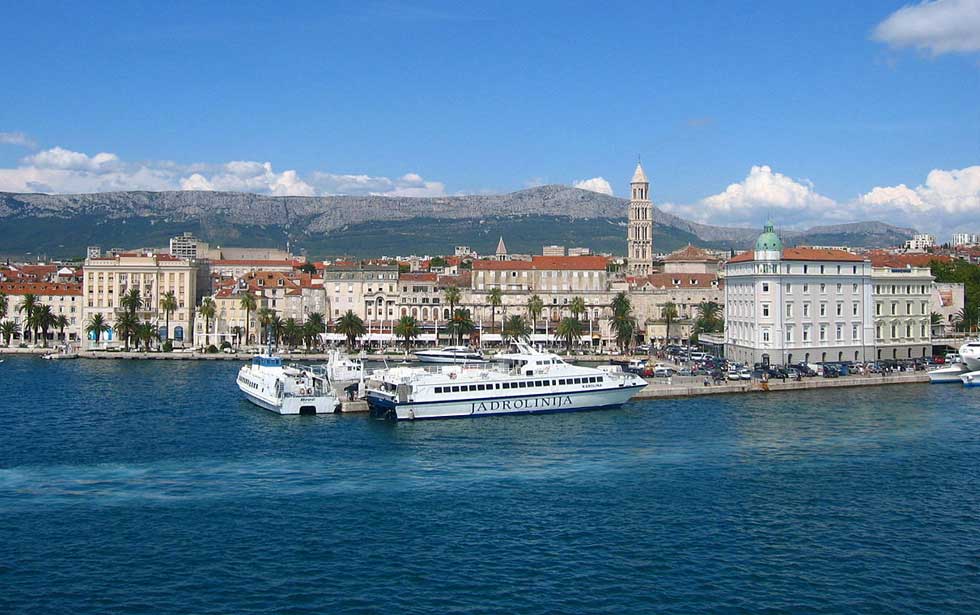
Timetables from Split by destination
Choose your destination below to open the latest timetable page for that exact line, then double-check the final departure time on the operator website before travel.
This hub links to Split’s main island and international ferry lines, each with its own timetable, seasonal notes, and price list. If you are comparing options, start by deciding whether you need a car ferry (vehicles allowed) or a catamaran (foot passengers only). For a broader overview of how booking works in Croatia, including what changes in peak season, see ferry booking in Croatia.
Hvar Island
Hvar has more than one relevant port for Split travellers. If you are travelling with a vehicle, the core connection is the car ferry to Stari Grad. If you are travelling on foot and want speed, catamaran routes can be the most convenient choice, but they are more capacity-limited and more seasonal. If you are still deciding where to stay and what to do once you arrive, this guide helps you plan the island beyond the ferry: Hvar travel guide.
- Split to Stari Grad (Hvar) - car ferry
- Split - Bol (Brač) - Jelsa (Hvar) - catamaran
- Split - Hvar - Korčula - Lastovo - catamaran
- Alternative with car - Drvenik - Sućuraj (Hvar) - car ferry
Brač Island
Brač is one of the easiest islands to reach from Split. Supetar is the main gateway for vehicles and the most common route for island stays, while catamarans can be a faster option for foot passengers depending on where you are heading on the island.
- Split to Supetar (Brač) - car ferry
- Fast boat option - Split - Bol (Brač) - catamaran
- Alternative with car - Makarska to Sumartin (Brač) - car ferry
Vis Island
Vis is farther from the mainland, so route choice affects your day. If you need a vehicle, use the car ferry. If you are travelling on foot and want a fast connection, check catamaran services that combine stops across islands.
Šolta Island
Šolta is a quick hop from Split and is a practical choice if you want an island stay without a long sailing. Most travellers use the car ferry to Rogač as the main access point.
Korčula and Lastovo
These are longer routes with more seasonal variation, and they can be sensitive to timetables if you are connecting onward the same day. Use the dedicated route pages below to compare the car-ferry option with catamaran services that include Hvar and Korčula as intermediate stops. If you want help deciding where to base yourself once you arrive, this practical guide is a good starting point: Korčula travel guide.
Italy - Ancona
International services change by season and year, so always verify the current operating period before booking. Use the route page below for the latest timetable and operator notes, then confirm final departures on the official operator site for your travel date.
Italy - Bari
International sailings are seasonal and can change from year to year, so always double-check the current operating period before you book. Use the route page below for the latest timetable and practical notes, then confirm the final departure details on the official operator website for your exact travel date.
Ferry vs catamaran: which should you take?
Take a ferry if you need to bring a car, want more flexibility, or are travelling with lots of luggage. Take a catamaran if you are travelling on foot and want the fastest crossing.
In Croatia, “ferry” usually means a larger ship with a vehicle deck, while “catamaran” refers to a high-speed passenger-only service. From Split, that difference matters because some islands have different arrival ports depending on the vessel type. For example, Hvar is commonly reached by catamaran to Hvar Town for foot passengers, while the main car ferry arrives in Stari Grad, which is a different town on the island and requires a transfer if you are staying in Hvar Town.
The biggest practical difference after speed is capacity and luggage. Catamarans are fast but have limited cargo space, so operators typically set a luggage allowance per passenger. As a planning rule, expect allowances around 20 kg on many passenger-only services, while Krilo (Kapetan Luka) commonly allows up to 23 kg per passenger. TP Line’s policy highlights the real-world constraint - their catamarans do not have unlimited cargo space, and they advise buying an additional regular ticket if you want to be sure excess luggage can board. Jadrolinija’s published rulebook states hand baggage limits of 20 kg on local routes and 30 kg on international routes, which is helpful when comparing domestic island travel with international sailings.
From a trip-planning perspective, choose a car ferry if you are travelling with a vehicle (or you want to keep the option open), if you are carrying bulky gear, or if your accommodation and plans make the car-ferry port the most convenient entry point. Choose a catamaran if you are a foot passenger focused on saving time, especially for short breaks and day trips where a 1-hour fast boat can be the difference between a relaxed itinerary and a rushed one. Whichever you pick, always verify the exact port name on your ticket and timetable, as “Hvar” can mean different ports depending on the line and vessel type.
Tickets and booking
In peak season, buy tickets in advance and arrive early. Catamarans can sell out, while many car-ferry routes load vehicles in arrival order unless a reservation system applies to that specific line. If you want a quick way to compare options before you commit to a specific operator or departure time, you can check current availability and typical price ranges across routes. This is especially useful in peak season when popular sailings sell out and you need to spot the next workable departure. Split ferry tickets: See availability and prices
Split is busy in summer and on weekends, so ticket strategy matters. For foot passengers, high-speed catamarans are often the first to sell out on popular departures, which is why online purchase is usually the simplest option. For car travel, buying a ticket in advance can save time, but it does not automatically guarantee boarding on every line, as many vehicle-capacity routes operate on a first-arrival loading principle unless the route uses reservations. The safest approach is to decide your route type first (car ferry or catamaran), then purchase from the operator that runs that exact line, and arrive early enough to handle queues and boarding procedures.
Online tickets vs buying at the port
If you want to minimise time spent at the ticket office at Split port, online purchase is the most practical choice whenever it is available. Jadrolinija explicitly recommends buying the ticket in advance to secure your desired departure time and advises being at the port at least 45 minutes before departure, which is especially relevant in summer crowds. TP Line asks passengers to arrive at the boarding point no later than 15 minutes before departure, while Krilo sells tickets online and also via sales points, with the additional note that tickets cannot be reserved and availability depends on capacity for that sailing.
As a planning rule, treat online tickets as a queue-saver, not a reason to arrive late. Split port can be congested at the passenger terminal and around vehicle lanes, and boarding can begin well before the departure time depending on route and vessel type. If you are connecting from a flight or arriving by car in peak season, build in buffer time so a traffic delay does not turn into a missed sailing.
Travelling with a car or motorcycle
If you are travelling with a vehicle, plan for two separate realities: the ticket and the loading process. On many routes, vehicles are loaded based on arrival order, so arriving earlier can be as important as purchasing earlier. Jadrolinija also notes that when buying a vehicle ticket you are required to present a traffic permit, so have the document ready to avoid delays at purchase or verification. If your line uses reservations, follow the operator guidance closely: Jadrolinija advises passengers with a purchased reservation to arrive 60 minutes before departure in the summer period (and 30 minutes in winter), with additional guidance for cargo vehicles to arrive even earlier.
In practice, the best way to reduce stress is to arrive early enough to join the correct vehicle queue, confirm you are lined up for the right destination, and avoid last-minute lane changes. If you are travelling during July and August or on weekend changeover days, treat the first sailing of the day as the easiest to catch and the late afternoon as the most competitive for space.
Changes, cancellations, and refunds
Refund and change rules depend on the operator and ticket type, so always check the conditions before you pay, especially for promotional fares and high-speed services. TP Line states that refunds are typically processed back to the same payment source within 30 days from their initial response to your request, which is useful to know if you are booking far in advance and your plans might shift. For Krilo, tickets cannot be reserved, so availability is tied to capacity and the time you actually purchase.
Weather can also affect departures in the Adriatic. If a sailing is delayed or cancelled, follow the operator announcements and port notices, and be prepared to switch to a later departure or a different route if one exists. The most reliable information in disruption scenarios is the operator’s own updates for your specific line and travel date.
How early to arrive in Split
In summer, aim to arrive 45 to 60 minutes before departure. If you are travelling with a vehicle or on a high-demand sailing, arrive 1 to 2 hours early.
Split is one of the busiest ferry ports in Croatia, and the time you need depends on season, vessel type, and whether you still need to buy or validate tickets. Jadrolinija advises that on lines without reservations they cannot guarantee boarding at your preferred departure time and recommends being at the port up to 1 to 2 hours before sailing during peak season.
If you are connecting into Split, build in extra buffer for flight delays and summer traffic. These local guides help you plan realistic transfer time: Split Airport, Split main bus station, and Split train station.
Foot passengers
For foot passengers, timing is mainly about queues and boarding flow. Catamarans are fast but have limited space, so arrive early enough to find the correct boarding point and pass ticket checks. Kapetan Luka - Krilo states boarding begins 30 minutes before departure, which is a useful reference for when lines start moving.
For TP Line catamarans, the operator’s minimum guidance is arriving at the boarding place at least 15 minutes before departure. In July and August, or on weekends, treat that as an absolute minimum and aim earlier.
Cars and other vehicles
If you are travelling with a car, motorcycle, camper, or van, arrive earlier than you would as a foot passenger. You are competing for vehicle deck capacity and you need time to join the correct lane. Jadrolinija advises reservation-holders to arrive 60 minutes before departure in summer (and 30 minutes in winter), with cargo vehicles advised even earlier.
On lines without reservations, Jadrolinija again recommends being at the port up to 1 to 2 hours before the desired departure time during peak demand because boarding on a specific sailing is not guaranteed. Plan extra time if you are arriving from outside Split or travelling on busy weekend changeover days.
If you are driving into the city, this guide helps you plan approach routes and congestion: travelling to Split by car. Parking near the port fills quickly in peak season, so plan a backup using parking in Split.
If your sailing is delayed or cancelled
Weather and operational changes can affect Adriatic departures. If something changes, rely on the operator’s official updates for your exact line and travel date, and keep your plan flexible in case you need to move to a later sailing.
Split Ferry Port guide
Short answer: Split Ferry Port is in Split’s City Port, a short walk from Riva and directly beside Split’s main bus station and Split train station.
Split Ferry Port (Trajektna luka Split) is the main gateway for island ferries and fast catamarans in Central Dalmatia. It is walkable from the Old Town and unusually convenient for travellers arriving by public transport because the bus and train stations sit right next to the passenger terminal. In peak season, the area gets crowded, so the key to a smooth departure is arriving with enough buffer to locate your correct pier and queue.
Address: Gat sv. Duje 1, 21000 Split. In practice, the most important detail is not the street address but your assigned dock. Split departures are commonly referenced by gat (dock or pier), and the assigned berth can change by sailing. Your best routine on the day is to check the electronic departure displays at the terminal, match your destination and departure time, then follow the waterfront signs to the correct dock.
If you want a deeper, step-by-step guide, we have a dedicated page that covers the port layout, where to buy tickets, where to queue for specific routes, vehicle lanes, facilities, and practical arrival tips for peak season: Split Ferry Port.
Getting to the port
If you are staying in central Split, you can usually reach the port on foot in minutes. If you are arriving by bus or train, the transfer is as simple as walking from the station platforms into the terminal area. If you are flying in, use Split Airport to plan a realistic buffer, as summer traffic can turn a tight connection into a missed sailing.
Tickets, ticket offices, and what to check before boarding
In summer, queues at ticket offices can be long close to departure time, so buying online in advance is often the easiest approach for fixed plans. If you are travelling with a vehicle, have your vehicle registration document ready when buying a vehicle ticket, as operators may require it.
Before you join any queue, confirm you are on the correct line and heading to the correct island port. Some destinations have multiple relevant ports depending on vessel type, so choosing the wrong service can add a long transfer after arrival.
Parking near Split Ferry Port
Parking near the terminal is limited and fills quickly in July and August. If you are arriving by car, plan your approach and parking options in advance using travelling to Split by car and parking in Split. If you cannot park close to the port, a slightly longer walk is often faster than circling the centre at peak times.
Practical travel tips
Short answer: In peak season, arrive early, confirm the correct dock and island port, and treat catamarans as capacity-limited. If you travel with a vehicle, being early in the lane often matters more than having bought the ticket early.
Split is efficient when you know the basics, but it can feel chaotic in summer because multiple departures load at once. The best strategy is simple: confirm your operator and exact route, arrive with buffer time, and double-check you are boarding for the correct island port (some destinations use different ports for car ferries versus catamarans). If you are still choosing between options, car ferries are best for flexibility and vehicles, while catamarans are best for speed but have stricter baggage and capacity limits.
Peak days and queue avoidance
The busiest periods are summer weekends and changeover days, when both passenger and vehicle demand spikes. If you can choose, an early-morning sailing is often the easiest: fewer queues, easier parking, and more room for last-minute changes if something runs late. If you must travel on a peak day, arrive earlier than you think you need, especially with a car, because vehicle boarding depends on capacity and loading order.
For routes that use reservations, follow the operator check-in guidance closely. Jadrolinija advises passengers with a purchased reservation to arrive 60 minutes before departure in summer (and 30 minutes in winter), and it also reminds travellers that when buying a vehicle ticket you are required to present a traffic permit. For fast catamarans, your best habit is to be near the boarding point well before departure so you are not stuck at the back of a boarding line when the gate opens.
Small practical tip that saves time at the port: have your ticket ready on your phone and know your destination dock area before you join any line. If you are buying anything onboard, Jadrolinija states it accepts cash and major cards (Maestro, Mastercard, Diners, Visa) on board, which is useful if you are travelling without a lot of cash.
Day trip planning from Split
Day trips work best on routes with a short crossing and multiple departures, or where the catamaran schedule gives you a morning arrival and an evening return. Hvar and Brač are popular for this style of trip because fast boats can get you onto the island quickly, but always check the last return of the day before committing to a plan. For farther islands, or any route with limited late departures, an overnight stay is often the better experience.
If you are looking for ideas beyond ferries, see best day trips from Split for ready-made options including islands, national parks, and guided excursions.
If you are travelling with luggage on a day trip, keep it light. TP Line and Krilo both publish luggage allowances and note that space can be limited on catamarans. TP Line also states passengers travel in an air-conditioned indoor passenger area and that it is not possible to go to the open deck during the voyage, which can matter if you prefer fresh air or are sensitive to motion. If you are prone to seasickness, the most stable ride is usually lower and near the middle of the vessel, and it helps to avoid rushing food and drink right before boarding.
Travelling with a small pet? TP Line publishes specific rules for small pets in a carrier bag with maximum dimensions and a weight limit for the bag plus pet. If you have a larger dog, plan on using a car ferry rather than a catamaran, as fast services typically have stricter restrictions.
What to do if you miss a sailing
Do not panic, especially on high-frequency routes. For many island lines, the next departure can be the practical solution, but if you are travelling with a vehicle in peak season, missing a popular sailing can mean a longer wait. The first thing to do is confirm the next departure time for your exact operator and destination, then decide whether you should queue for the next sailing or switch to a different route or port.
If you miss a catamaran, the next option might be later in the day because there are fewer departures. In that case, check whether a car ferry (travelling on foot) is a workable alternative, or consider staying in Split overnight and travelling the next morning. If you are travelling with a vehicle and you are not sure whether your ticket is tied to a specific departure time, confirm at the operator sales point before you commit to a lane.
Want a ready-made plan instead of juggling timetables? Many travellers prefer a guided or pre-booked experience for popular islands and coastal highlights.
Blue cave, Mamma Mia and Hvar, 5 islands speedboat tour from Split
Set off on a thrilling full-day speedboat tour from Split or Trogir and discover five of Croatia’s most stunning islands in one unforgettable day.
Cruise across the Adriatic to Biševo’s famous Blue Cave, swim and snorkel in the crystal-clear waters of Stiniva Cove, explore the charming fishing village of Komiža, and relax on the turquoise lagoons near Budikovac. Finish in style with free time in glamorous Hvar, known for its history, views, and vibrant atmosphere.
Ferry companies and operators from Split
For car ferries from Split, Jadrolinija is the main operator. For high-speed passenger-only catamarans, Kapetan Luka - Krilo and TP Line run key seasonal connections. Always confirm the final timetable on the operator’s official website before travel.
Split is Croatia’s busiest island gateway, and the operator matters because vessel type (car ferry vs catamaran), ticket rules, luggage allowances, and even which port you arrive at on the island can differ by company and line. The most reliable planning workflow is to choose your destination and whether you need a vehicle, then verify the final departure time and boarding instructions on the official operator page for that exact route.
Jadrolinija
Jadrolinija is Croatia’s largest passenger shipping company and the primary operator for most year-round services from Split, including core car-ferry routes such as Split - Supetar (Brač), Split - Stari Grad (Hvar), Split - Rogač (Šolta), and Split - Vis, plus longer island-hopping connections (for example toward Korčula and Lastovo depending on season).
For international travel, Jadrolinija also publishes the Split - Ancona route on its official site, including sailing schedules and seasonal PDFs when available. If you are planning Italy crossings, use the official route page to confirm the operating period and sailing days for your travel date: Split - Ancona (official).
Kapetan Luka - Krilo
Kapetan Luka - Krilo is best known for fast catamaran services along the Dalmatian coast. From Split, Krilo is a common choice for foot passengers who want the fastest crossing to popular island towns in peak season, which can make it ideal for short stays and day trips.
Because catamarans are passenger-only and cargo space is limited, it is smart to check the operator’s timetable and FAQs before travel. Krilo publishes schedules and sales locations on its official site and states a luggage allowance of up to 23 kg per passenger (space permitting for additional items). Start here: Krilo sailing schedules (official) and Krilo FAQ (official).
TP Line
TP Line operates passenger-only catamarans on a number of coastal and island routes, including seasonal Split connections. TP Line’s timetable pages are useful because they clearly show line-by-line schedules and help you spot when a service is seasonal and not operating outside peak months.
TP Line also publishes practical travel-day guidance and luggage rules. Their official site includes sailing schedules, line information, and customer FAQs, which you should check before you head to the port: TP Line sailing schedule (official).
International routes to Italy
International services from Split can change by season and year, so do not rely on old schedules. For Split - Ancona, the most reliable source is the official operator route page and timetable documents published for the current operating period. Use our dedicated route hub to start your planning and then verify the final sailing on the operator site: Split to Ancona ferry.
FAQ: Split ferries
Short answer: If you plan one thing, plan time. In summer, book earlier, arrive earlier, and always confirm your final departure time on the operator website for your exact line.
These are the most common questions travellers ask when using ferries and catamarans from Split. The answers below focus on practical decisions that help you avoid missed sailings, wrong ports, and unnecessary queues.
Should I book Split ferry tickets in advance?
If you are travelling in peak season, booking in advance is strongly recommended, especially for popular catamarans and fixed-time departures. Jadrolinija recommends buying tickets in advance to help ensure you travel at the desired time, and it also recommends being at the port at least 45 minutes before departure. For routes where reservations are not possible, Jadrolinija notes that boarding is based on arrival order, which is why arriving early can matter even if you already have a ticket.
As a simple rule: if your travel day is a weekend, a holiday, or any date in July and August, book earlier and do not plan a tight connection. If you want help choosing the right booking method and what changes by operator, use the route-specific pages in the timetables section above.
What is the difference between a ferry and a catamaran in Croatia?
In Croatia, a ferry usually means a larger ship that can carry vehicles (car ferry), while a catamaran is typically a high-speed passenger-only service. That difference affects everything: where you queue, what luggage is practical, and which port you arrive at on the island.
Catamarans are often the fastest option from Split for foot passengers, but they have stricter capacity and luggage constraints and can sell out earlier. Car ferries are slower but more flexible, especially if you are travelling with a car or want more departure options on core island routes.
How early should I arrive for a car ferry from Split?
In summer, plan to arrive early enough to queue in the correct vehicle lane and still complete check-in calmly. Jadrolinija advises reservation-holders to arrive 60 minutes before departure in the summer period (and 30 minutes in winter), and it also notes that when buying a vehicle ticket you are required to present a traffic permit.
For lines without reservations, the safest approach in peak season is still arriving well ahead of departure because boarding is capacity-limited and can be competitive on busy travel days. If you are driving into the city, plan parking and approach routes in advance so you do not lose your buffer time looking for a space.
Is Split - Ancona running year-round?
Split - Ancona service availability depends on the operator schedule for the season, but the route is generally available year-round with seasonal frequency changes. Jadrolinija publishes Split - Ancona under Ferry line 53 on its official route page, including timetable versions for specific date ranges, and other sources that track schedules also list the crossing as available year-round with more departures in summer.
Best practice: use our Split - Ancona timetable page to start, then confirm your exact sailing day and time on the official operator route page for your travel date before booking accommodation or onward transport.
Which Split routes are best for day trips?
The best day trips by ferry from Split are the ones with a short crossing and a late enough return. In practice, that often means Brač and Hvar on days with convenient fast-boat schedules, or short car-ferry routes if you are happy to travel more slowly. Always check the last return sailing before you commit, and build in buffer time so a late lunch does not turn into a missed boat.
If you want ready-made options that do not require timetable juggling, start with best day trips from Split for island ideas and guided excursions.
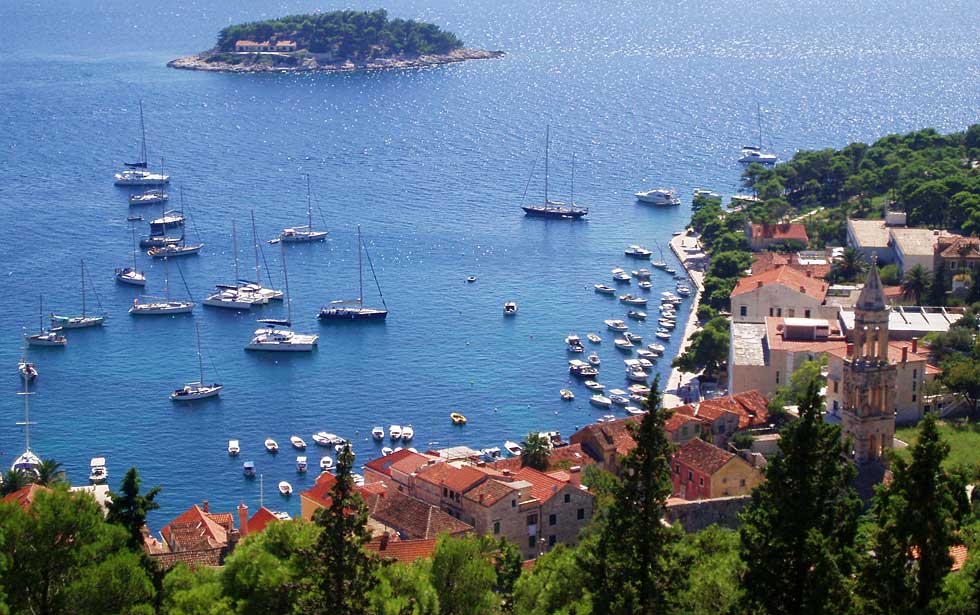
Split-Hvar catamaran and the through service to Korčula (Vela Luka) and Lastovo (Ubli) on state fast passenger line 9604 (TP Line), including the official timetable and one-way ticket prices. Sailing daily from Split Ferry Port
Route & stops: Split → Hvar Town → Vela Luka (Korčula) → Ubli (Lastovo) and return. Note that this service calls at Vela Luka (west Korčula), not Korčula Town.
- Details
- Written by: Orsat Munitić
Read more: Split - Hvar - Korčula - Lastovo catamaran 9604 | 2026 timetable
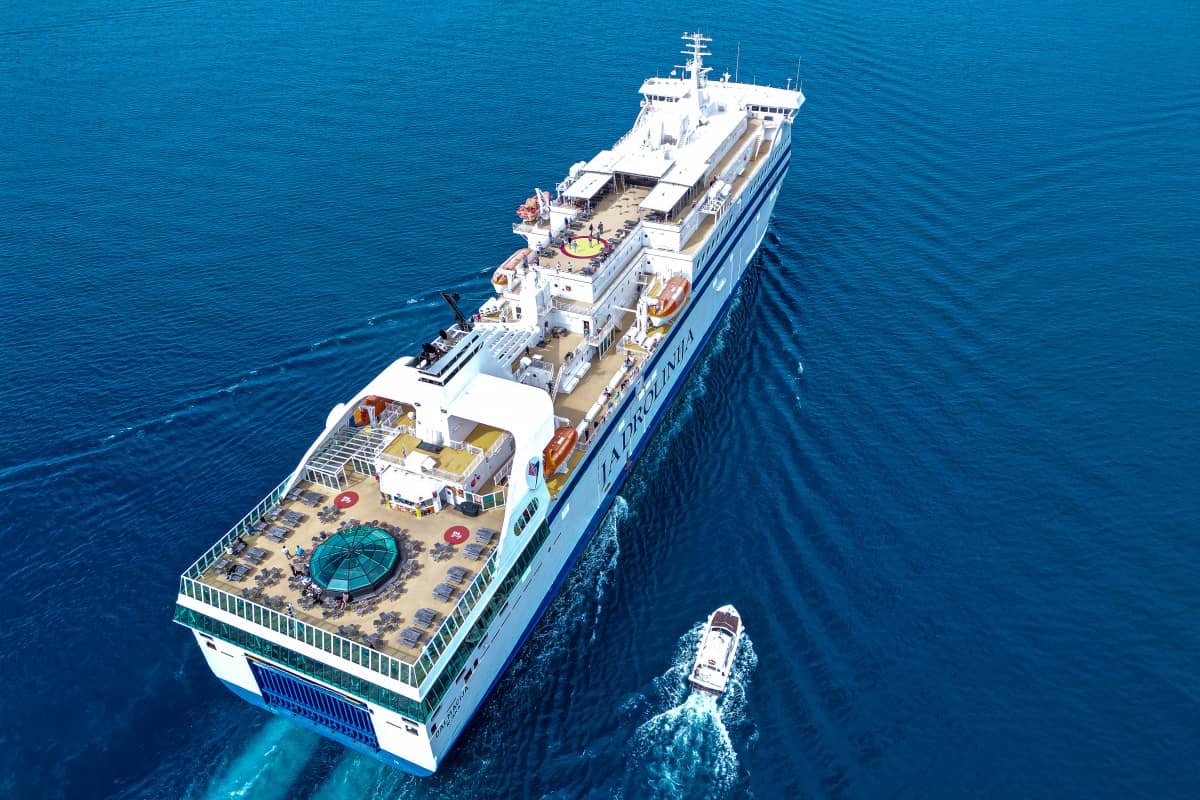
Jadrolinija Line 56 - Split - Bari ferry
The Split to Bari ferry is one of the most practical ways to cross the Adriatic from Croatia to southern Italy, especially if you want to travel overnight, bring a vehicle, or arrive in Italy ready to continue through Puglia by car or train. This route connects Split (Croatia’s main long-distance ferry hub) with Bari, and it is currently operated by Jadrolinija on seasonal sailings.
The scheduled crossing takes about 10 hours and normally runs overnight, so you arrive in Bari the following morning. Split and Bari are about 145 nautical miles apart (approximately 268 km / 166 miles).
If you are planning dates, start with the Split to Bari ferry timetable 2026 below, then confirm final departure details in the official booking flow for your travel day.
- Details
- Written by: Orsat Munitić
Read more: Split to Bari Ferry: 2026 Timetable, Tickets and Prices
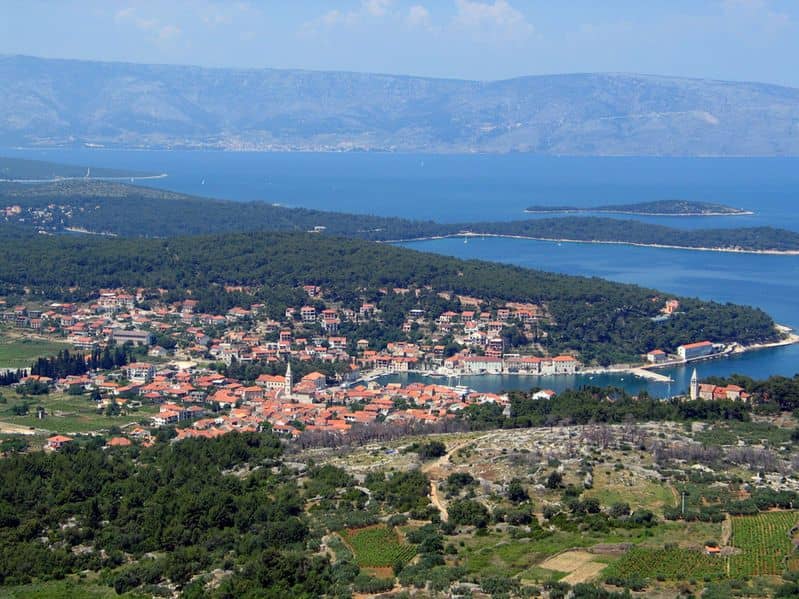
Jadrolinija’s passenger-only fast ship Line 9603 connects Split with Bol (Brač) and Jelsa (Hvar). Separate selected weekday Line 9603 sailings also connect Split directly with Stari Grad (Hvar). The route does not normally serve Hvar Town.
Typical sailing time is about 1h 05m from Split to Bol, about 2h 35m from Split to Jelsa via Bol, and about 1 hour from Split to Stari Grad on the separate weekday service. Fast-ship tickets are tied to the selected departure, so advance booking is useful in summer.
Peak-season one-way fares from Split (29 May-27 Sep 2026): €10.00 adult / €4.40 child aged 3-12 to Bol, Stari Grad or Jelsa.
- Details
- Written by: Orsat Munitić
Read more: Split to Brač and Hvar Catamaran Ferry | 2026 Timetable
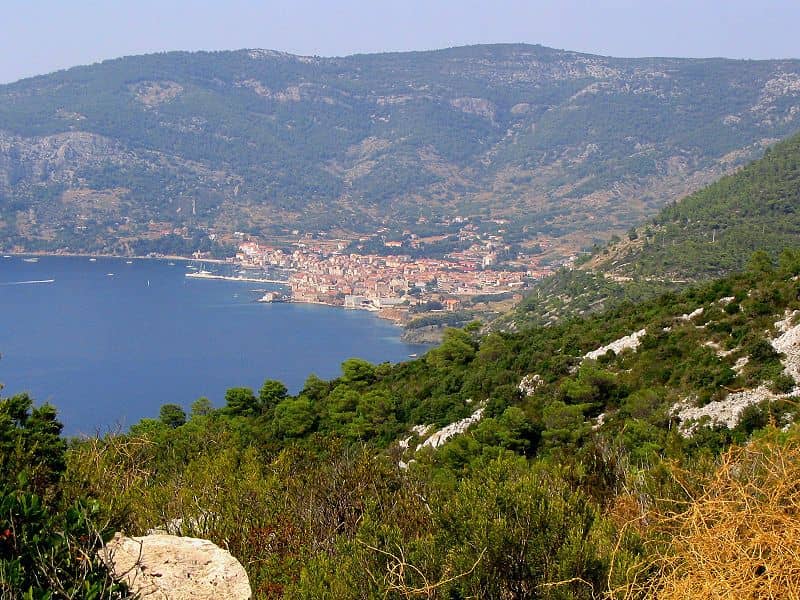
Split to Vis by catamaran: fast ship line 9602 sails from Split to Vis Town with stops in Milna (Brač) and Hvar Town (passenger-only).
This route is one of the quickest ways for foot passengers to island-hop from Split to Hvar and Vis without a car. Use the timetable below to match your travel date (the schedule is seasonal) and double-check close to departure, because sailings can change.
Day trip note: in most cases, the departure/return timing makes this line a poor fit for a same-day day trip from Split to Hvar or Vis, especially in shoulder season.
Traveling with a car? Use car-ferry routes instead, such as the Split–Stari Grad (Hvar) car ferry and the Split–Vis car ferry.
Catamaran line no. 9602
- Details
- Written by: Orsat Munitić
Read more: Split to Island Vis, via Hvar and Milna (Brač) | 2026 Timetable
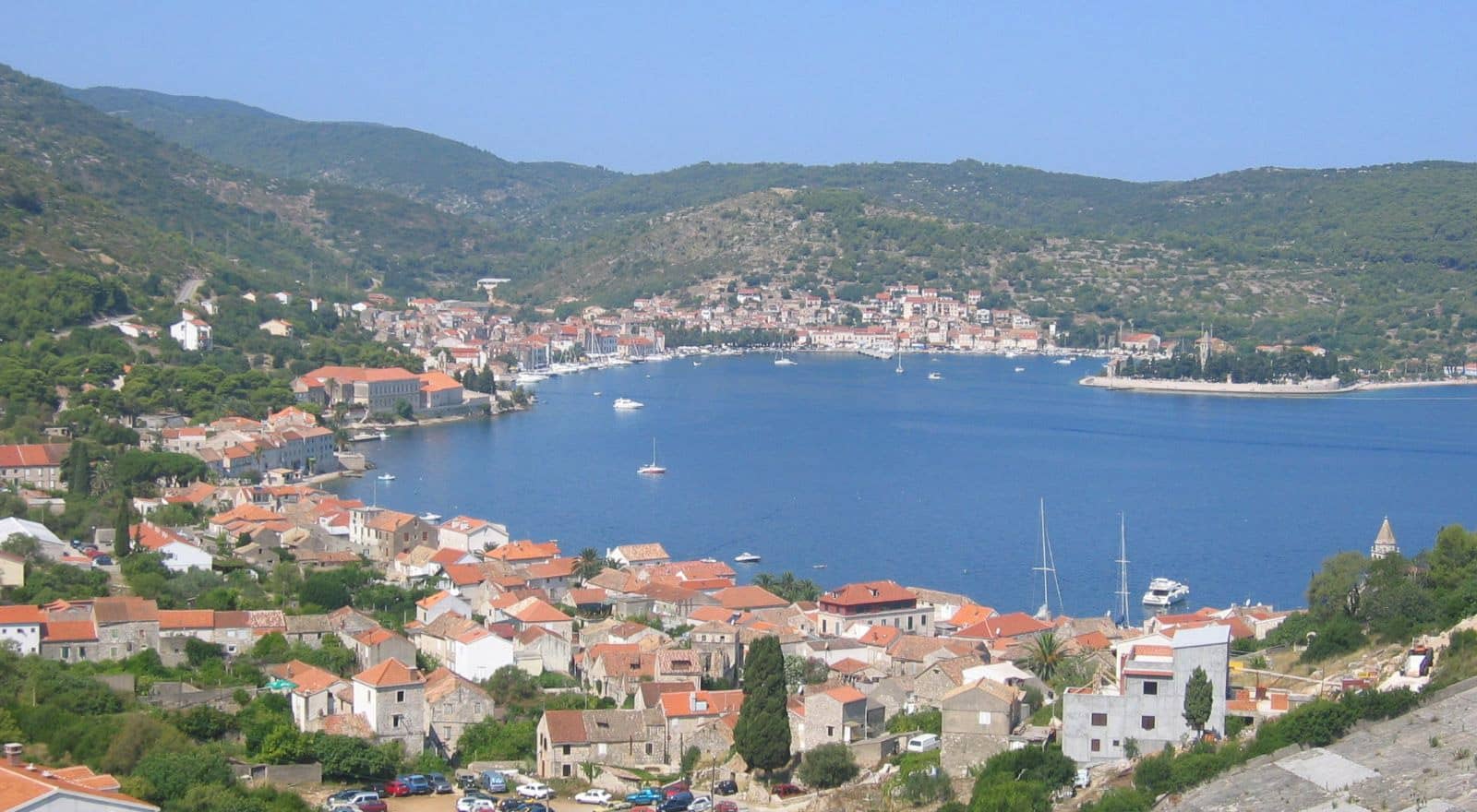
Taking a car to Vis? Jadrolinija’s Line 602 connects Split with Vis Town throughout the year and carries both vehicles and foot passengers. The scheduled crossing takes about 140 minutes (2h 20m).
2026 fare snapshot: adult €7.20-€9.10, child aged 3-12 €3.60, standard car €40.60-€52.00, motorcycle €12.10-€15.50 and bicycle €7.20-€9.10, depending on season.
- Details
- Written by: Orsat Munitić
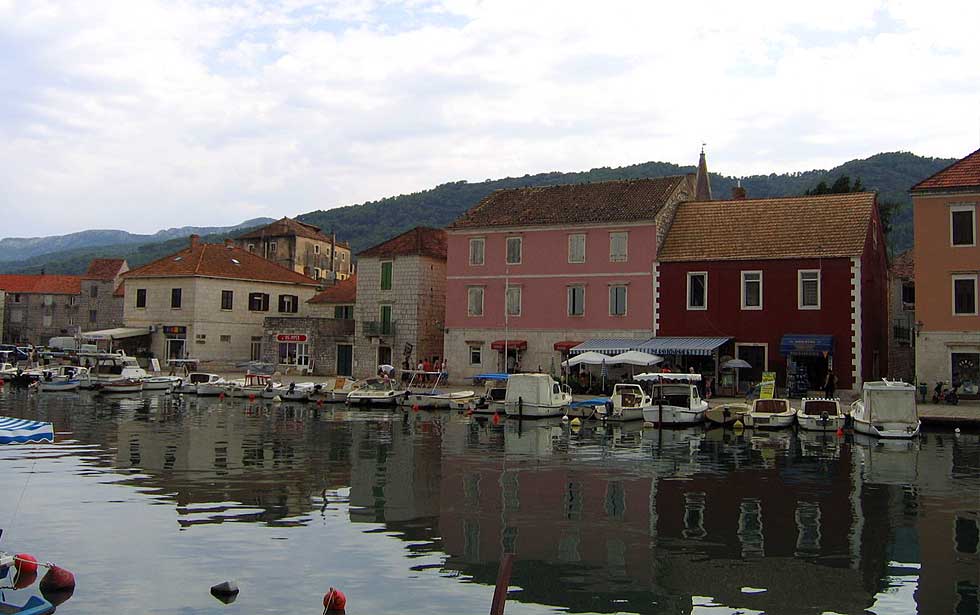
The Split to Stari Grad (Hvar) car ferry is the main vehicle-ferry route from Split to Hvar Island. Jadrolinija operates the route as Line 635, carrying both foot passengers and vehicles to Stari Grad on Hvar’s north coast.
The official 2026 timetable gives a scheduled crossing of about 110 minutes; in practice, allow roughly 2 hours. This route is especially useful if you are bringing a car, camper or motorcycle to Hvar, or staying in Stari Grad, Jelsa, Vrboska or Hvar Town.
- Details
- Written by: Orsat Munitić
Read more: Split-Stari Grad (Hvar) Car Ferry 2026: Timetable & Prices
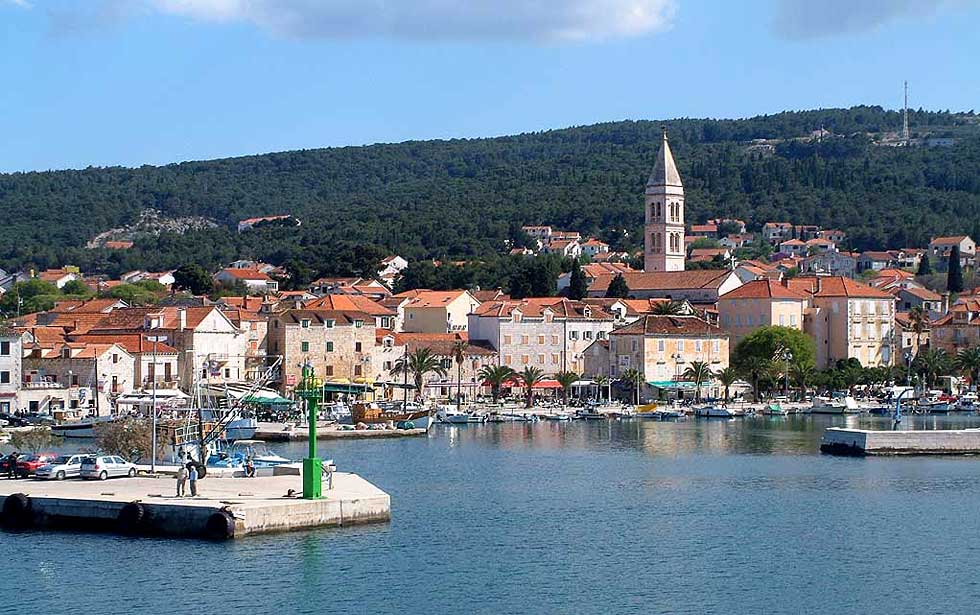
Taking the Split to Supetar car ferry is the main way to bring a vehicle from Split to Brač. Jadrolinija operates the route as ferry Line 631, and the crossing takes about 50 minutes.
- Details
- Written by: Orsat Munitić
Read more: Split to Supetar (Brač) Car Ferry: Timetable & Prices 2026 (Line 631)
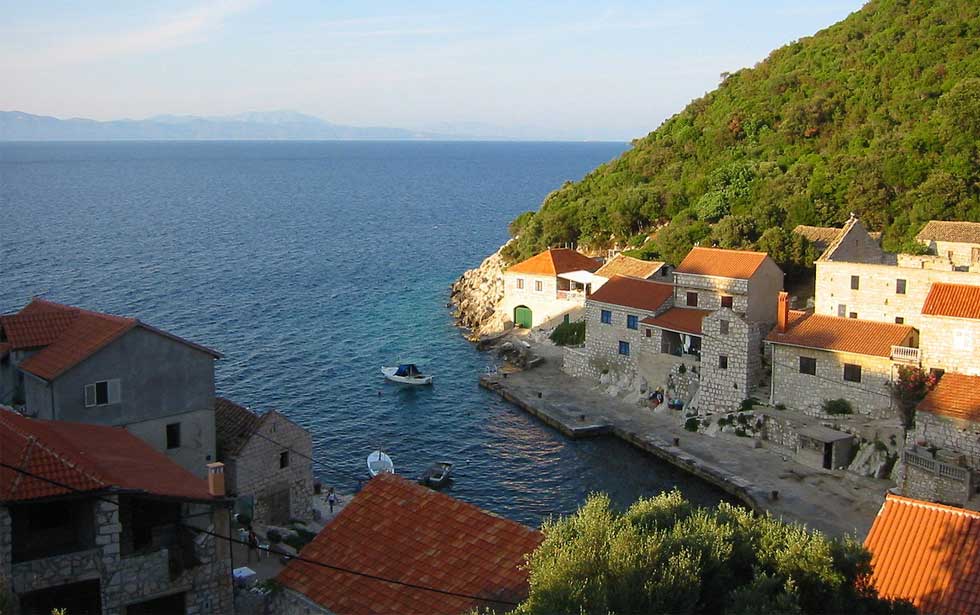
Jadrolinija’s car ferry Line 604 runs year-round from Split to Vela Luka (Korčula) and on selected departures continues to Ubli (Lastovo). The ferry carries vehicles and is the main direct car-ferry option from Split toward western Korčula and Lastovo.
The sailing takes about 3 hours from Split to Vela Luka. Continuing from Vela Luka to Ubli adds roughly another 1 hour 30 minutes. Not every departure continues all the way to Lastovo, so always check the Ubli column for your specific sailing.
- Details
- Written by: Orsat Munitić
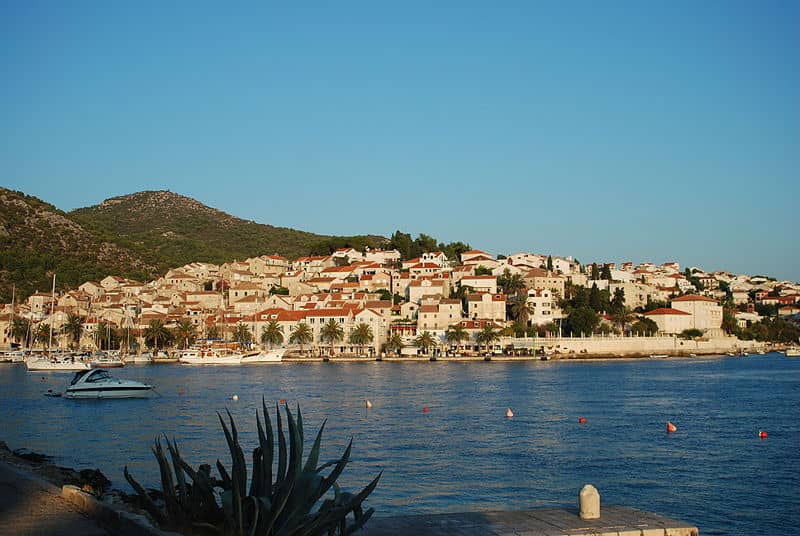
The Drvenik to Sućuraj (Hvar) car ferry is the shortest sea crossing to Hvar and is especially useful if you are approaching from the Makarska Riviera or southern Dalmatia. Jadrolinija operates the route as Line 632 throughout the year, and the crossing takes about 30 minutes.
- Details
- Written by: Orsat Munitić
Read more: Drvenik-Sućuraj (Hvar) Car Ferry Timetable & Prices 2026
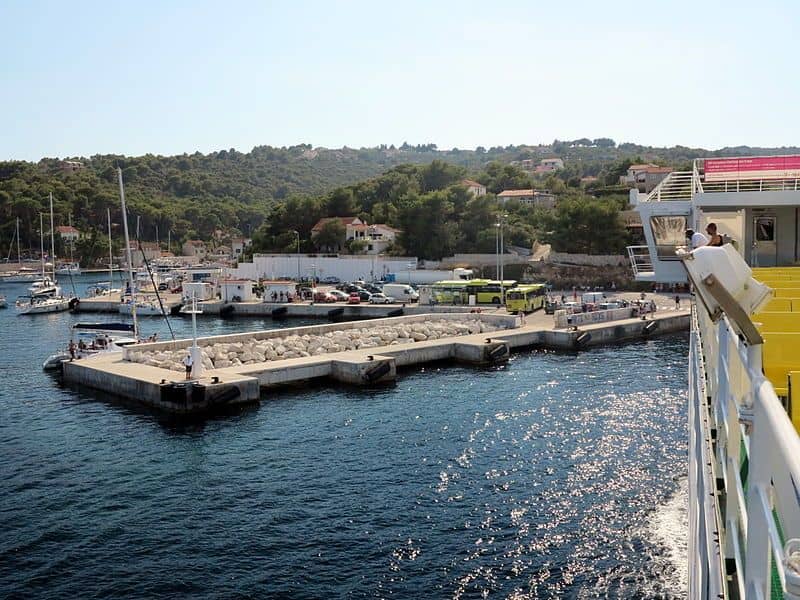
Jadrolinija’s car ferry Line 636 connects Split Ferry Port with Rogač (Rogac) on Šolta in about 60 minutes. It is the main route for taking a car, motorbike, camper, trailer or bicycle from Split to the island.
The line runs year-round on a seasonal timetable. In the busiest period, 3 July-30 August 2026, there are 6 departures per day in each direction, making Šolta one of the easiest islands to reach from Split with a vehicle.
- Details
- Written by: Orsat Munitić
Read more: Split to Rogač (Šolta) Car Ferry 2026 Timetable & Prices
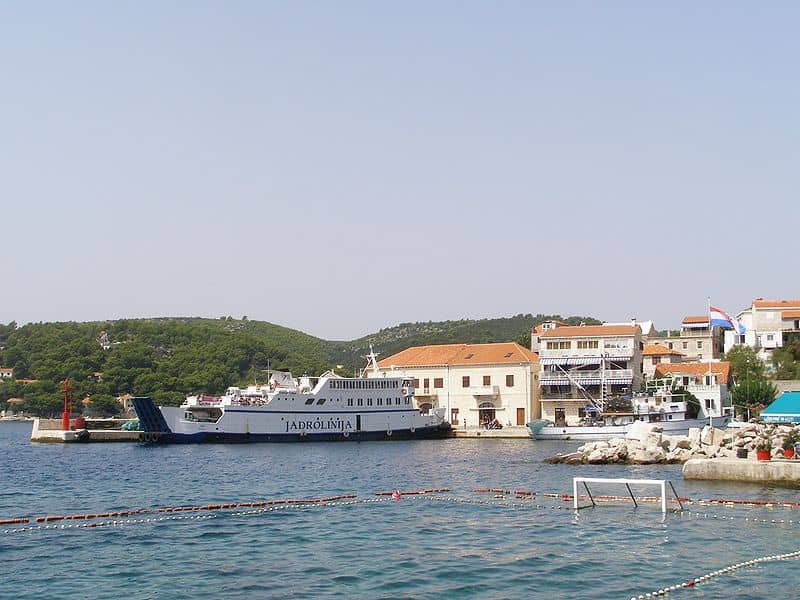
The Makarska–Sumartin ferry (Jadrolinija Line 638) is the direct car-ferry connection between the Makarska Riviera and the eastern side of Brač. It runs year-round, with substantially more departures in summer, and the scheduled crossing takes about 50 minutes. In practice, allow roughly an hour for the voyage.
- Details
- Written by: Orsat Munitić
Read more: Makarska to Sumartin (Brač) car ferry: 2026 timetable & prices (Jadrolinija 638)
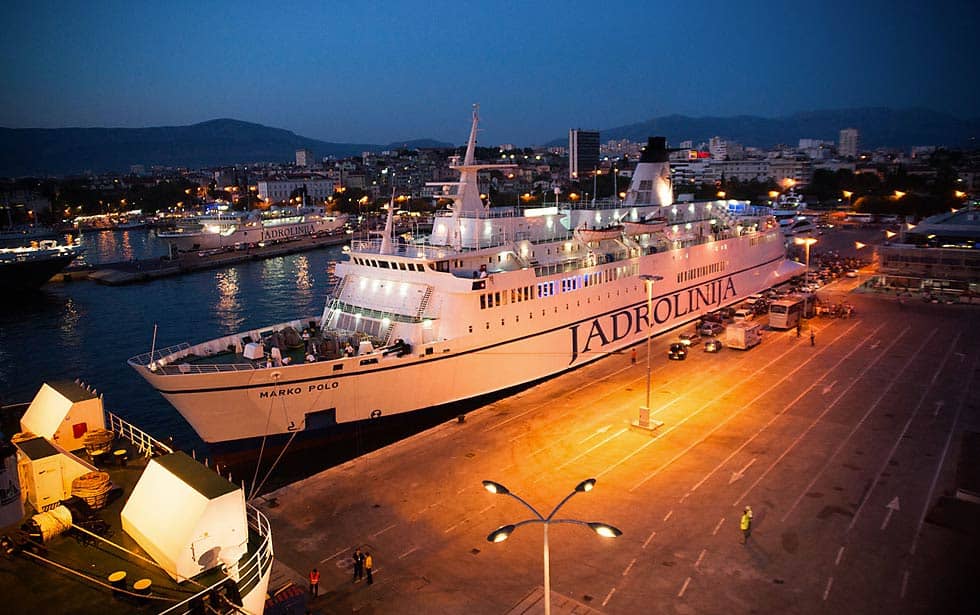
The Split to Ancona ferry is one of the main sea connections between Croatia and Italy, especially useful if you want to travel overnight, bring a vehicle, or continue from Ancona by car or train. The route connects Split with Ancona on Italy’s Adriatic coast and is operated in 2026 by Jadrolinija (Line 53) and seasonal operator SNAV.
Crossing time is usually about 9 to 11 hours, depending on the operator and sailing. Most departures run overnight, while selected summer sailings operate during the day. Split and Ancona are about 129 nautical miles apart (approximately 240 km / 149 miles).
- Details
- Written by: Orsat Munitić
Read more: Split to Ancona Ferry: 2026 Timetable, Tickets and Prices
Split Ferry Port (Trajektna luka Split) is the main sea-transport hub for Central Dalmatia, with car ferries and fast passenger vessels connecting Split with Brač, Hvar, Vis, Šolta, Korčula, Lastovo and other Adriatic destinations. International services also connect Split with Italy.
The port sits beside Split Main Bus Station and Split Train Station, and is only a short walk from Riva and Diocletian’s Palace.
The most important thing to understand is that Split Ferry Port is a large waterfront port with multiple piers and berths, not a single ferry terminal. Check your operator, destination and current berth before boarding, especially in summer.
- Details
- Written by: Orsat Munitić